
Native American cultures hold a deep reverence for nature, spirituality, and ancestral lineage. These beliefs are often expressed through powerful visual symbols—tattoos, sometimes called “skin paintings.” They weren't just decoration; they were woven into the fabric of ceremonies, served as markers of status, told stories, and represented significant life journeys.
The Significance of Head Tattoos
Head tattoos held a particularly profound place within many tribes. Reserved for individuals of high rank or those who had experienced deep spiritual transformations, they were truly special markings.
Diverse Designs Across Tribes
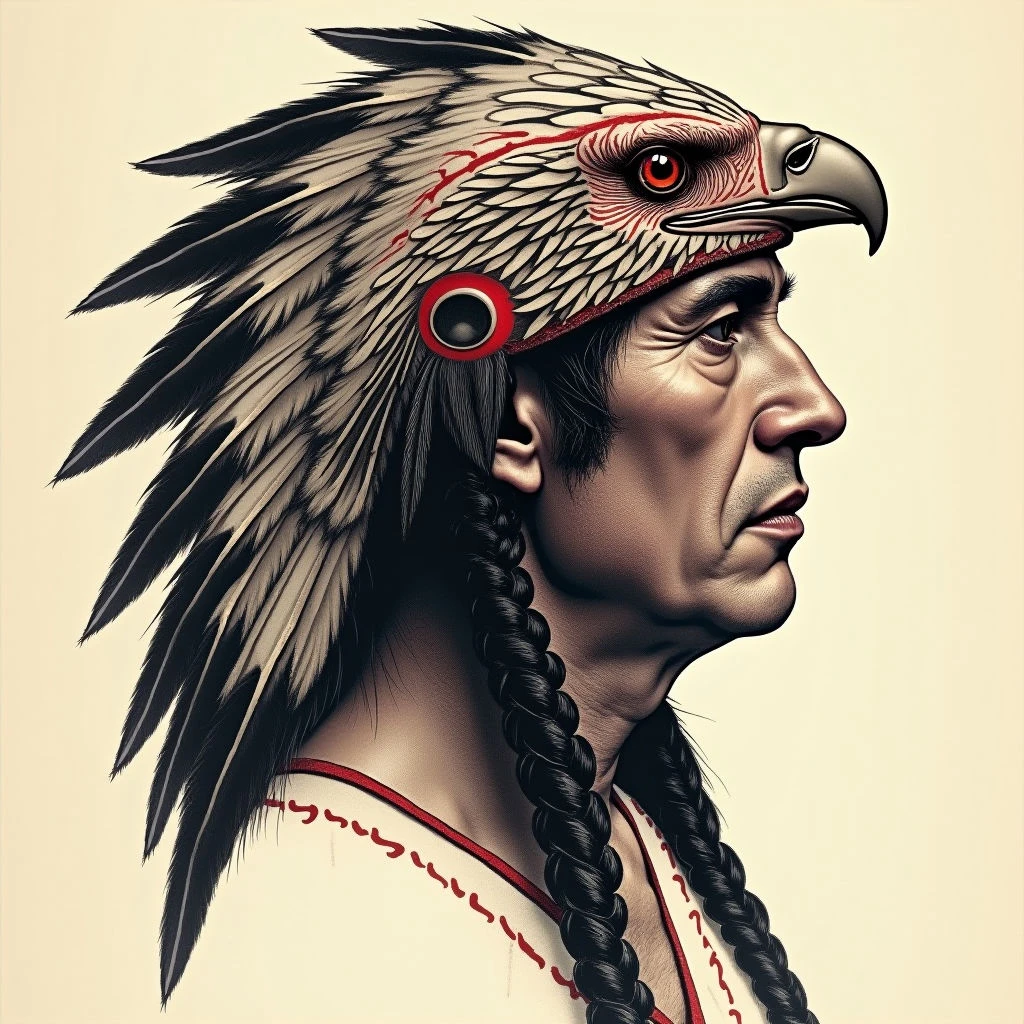
The designs themselves varied dramatically. For example, Plains Indians often depicted animal spirits—powerful representations of the natural world. Meanwhile, Northwest Coast peoples created intricate crests and lineage symbols, each telling a unique story.
What Did They Represent?
A head tattoo could signify so much: a warrior’s bravery in battle, a shaman's connection to the spirit world, or simply a family's ancestral story passed down through generations.
The Painful Process and Deep Respect
Creating these tattoos was often a painful process, using natural pigments derived from plants and minerals. This dedication speaks volumes about the respect held for these markings—it wasn’t something taken lightly.
Cultural Sensitivity and Appropriation
It's absolutely crucial to approach this topic with deep respect. Many designs are sacred, holding profound meaning within their respective tribes. Cultural appropriation is a serious concern, so understanding the context and seeking permission (when possible) is paramount.
Honoring Tradition Responsibly
Today, some individuals choose to honor ancestral traditions through respectful tattoo practices. But it’s vital to remember the history and significance behind these powerful symbols—to appreciate their depth and meaning.