Home > Categories > tattoo symbolism meanings > Native American Head Tattoo: Meaning & Design Inspiration

Explore the rich symbolism and cultural significance of Native American head tattoos. Find design inspiration, meanings, and respect for traditions.

Native American Head Tattoos: Meaning and Respect

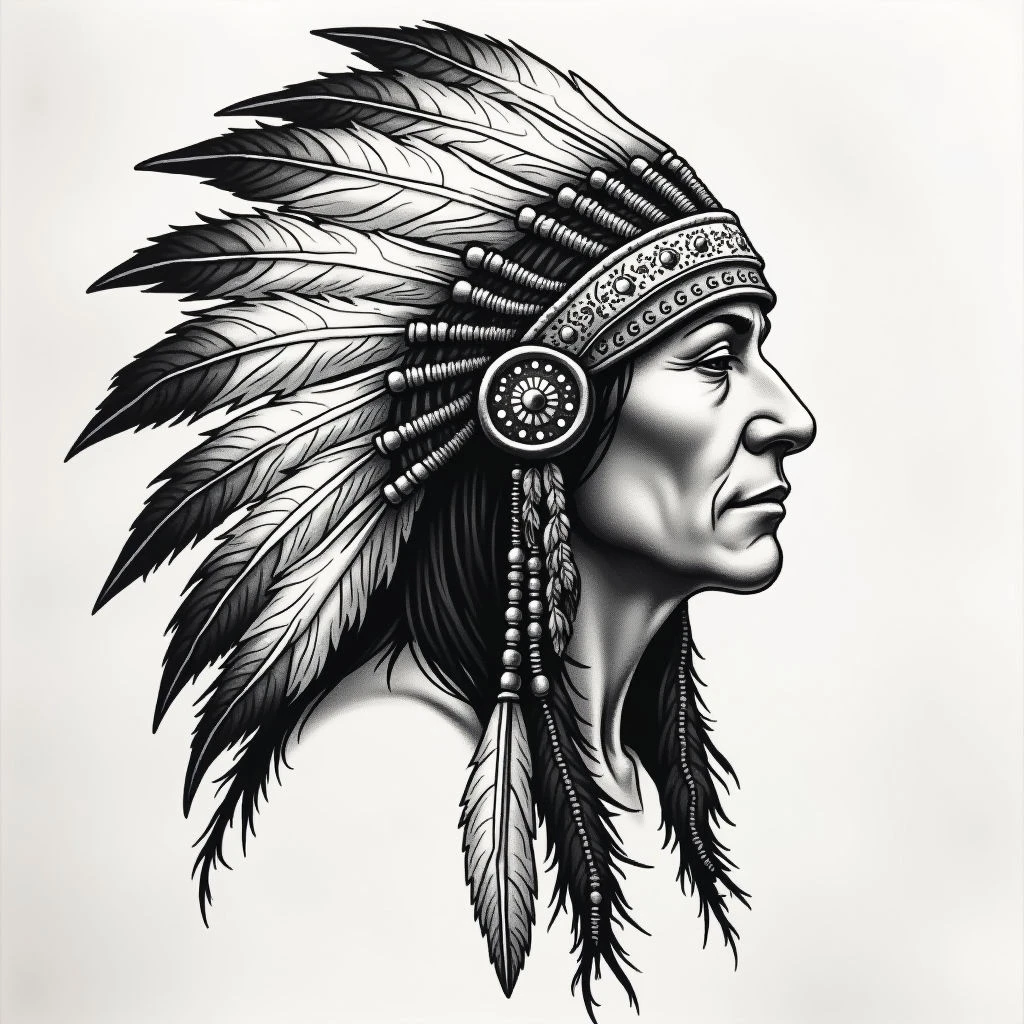
Native American head tattoos are powerful symbols—representing ancestry, spirituality, strength, and wisdom. They aren't just decorations; they carry significant cultural weight and often mark a deep personal connection to tribal heritage.

Understanding the Significance

The imagery used in these tattoos varies considerably between tribes. You'll commonly see headdresses (representing honor and leadership), feathers (symbolizing spirituality and freedom), animal spirits—like wolves for loyalty or eagles for vision—and depictions of ancestors.

It’s essential to approach these designs with genuine respect and a solid understanding of their cultural context. It's not something to take lightly.

Design Considerations

Let’s look at some common elements and what they often represent:

  • Headdresses

    These frequently symbolize leadership, bravery, and a connection to the spirit world. The intricate details involved require an artist with real skill.

  • Feathers

    They represent freedom, spirituality, and a connection to something larger than ourselves. The number of feathers—and their type—can hold specific meanings within different tribes.

  • Animal Spirits

    These represent qualities like strength, courage, or cunning. For example, wolves often symbolize loyalty and family ties, while eagles embody vision and power.

  • Ancestral Figures

    Depicting ancestors is deeply personal. It requires careful thought, sensitivity, and often—importantly—permission from the tribe.

Respect and Cultural Appropriation

It's absolutely paramount to respect the cultural significance of these designs. If you’re not Native American, I strongly suggest seeking guidance from someone knowledgeable—perhaps a respected artist who truly understands the traditions.

Native American Head Tattoo: Meaning & Design Inspiration

Home > Categories > tattoo symbolism meanings > Native American Head Tattoo: Meaning & Design Inspiration

Explore the rich symbolism and cultural significance of Native American head tattoos. Find design inspiration, meanings, and respect for traditions.

Native American Head Tattoos: Meaning and Respect

Native American head tattoos are powerful symbols—representing ancestry, spirituality, strength, and wisdom. They aren't just decorations; they carry significant cultural weight and often mark a deep personal connection to tribal heritage.

Understanding the Significance

The imagery used in these tattoos varies considerably between tribes. You'll commonly see headdresses (representing honor and leadership), feathers (symbolizing spirituality and freedom), animal spirits—like wolves for loyalty or eagles for vision—and depictions of ancestors.

It’s essential to approach these designs with genuine respect and a solid understanding of their cultural context. It's not something to take lightly.

Design Considerations

Let’s look at some common elements and what they often represent:

  • Headdresses

    These frequently symbolize leadership, bravery, and a connection to the spirit world. The intricate details involved require an artist with real skill.

  • Feathers

    They represent freedom, spirituality, and a connection to something larger than ourselves. The number of feathers—and their type—can hold specific meanings within different tribes.

  • Animal Spirits

    These represent qualities like strength, courage, or cunning. For example, wolves often symbolize loyalty and family ties, while eagles embody vision and power.

  • Ancestral Figures

    Depicting ancestors is deeply personal. It requires careful thought, sensitivity, and often—importantly—permission from the tribe.

Respect and Cultural Appropriation

It's absolutely paramount to respect the cultural significance of these designs. If you’re not Native American, I strongly suggest seeking guidance from someone knowledgeable—perhaps a respected artist who truly understands the traditions.