

The ocean’s embrace and the art of tattooing have been deeply connected, especially within naval traditions. For generations, sailors have marked their bodies with intricate designs—more than just decoration; they were symbols of experience, belief, and remembrance. These ‘sprays,’ as they were often called, carried profound meaning, reflecting a sailor's journey and connection to the sea.
A History Rooted in Polynesian Tradition
Naval tattoos have fascinating origins. They began with Polynesian tattooing practices, which were then adopted by European explorers like Captain James Cook. When sailors returned from their voyages, they brought these techniques home, creating a unique maritime tattoo culture.
Common Naval Tattoo Symbols and Their Meanings
Let's explore some of the most recognizable symbols found on sailors’ skin, and what they represent:
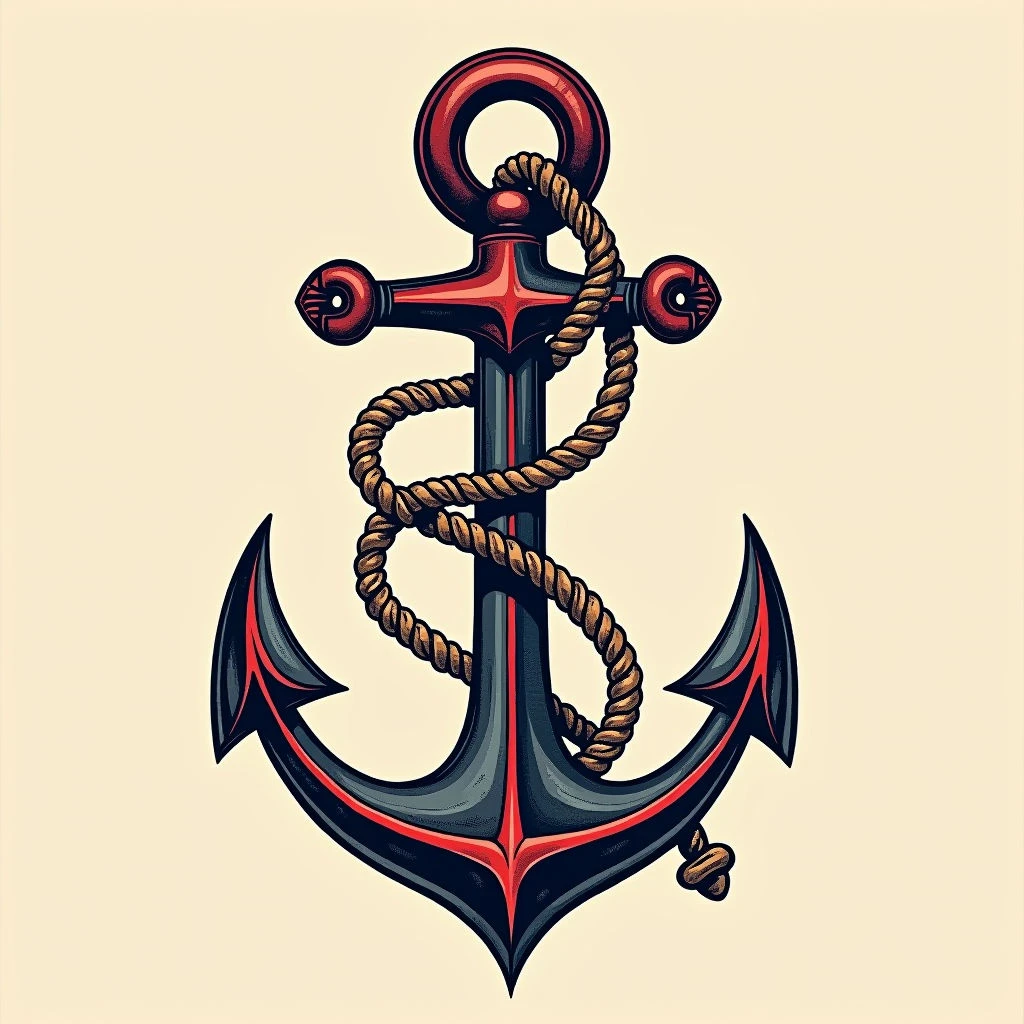
Anchor
An anchor isn't just a nautical tool; it symbolizes stability, hope, and the longing for a safe return home—a powerful message for those spending long periods at sea.
Swallow (or Swallows)
Sailors used swallows to track their progress. One swallow meant they'd sailed 5,000 nautical miles; two signified crossing the equator; and three marked a complete circumnavigation of the globe.
Nautical Star
The nautical star serves as a guide, symbolizing direction and finding your way—both at sea and in life.
Ship/Man-of-War
This represents the sailor’s vessel or unit. It's often included to commemorate service aboard that ship.
Compass Rose
A compass rose is a symbol of guidance and navigation, representing the ability to find your path in life.
Pig & Rooster
These animals were traditionally kept on ships as a source of fresh food. A tattoo of either meant a sailor had crossed the equator.
Mermaid
The mermaid embodies temptation and the allure of the sea, often representing good luck or protection from storms.
More Than Just Decoration
These weren't just about aesthetics; naval tattoos were badges of honor, personal stories etched onto skin. They fostered camaraderie among sailors and served as a visual record of their life at sea.