
Polynesian tattoos are far more than just ink; they’re a living record of centuries of cultural heritage, spiritual beliefs, and ancestral lineage. Originating from islands like Hawaii, Samoa, Tonga, Fiji, Tahiti, and Māori New Zealand, these intricate designs hold deep meanings rooted in tradition.
A History Etched in Skin
Polynesian tattooing has a history stretching back over 2000 years. Initially, it was part of complex rituals performed by skilled practitioners—called kāpua in Samoa or tohunga tā moko in New Zealand—often involving spiritual ceremonies and significant social standing. These tattoos weren't just decoration; they signified rank, genealogy, achievements, and a connection to the divine.
Decoding the Symbols
The symbolism within Polynesian tattoo designs is incredibly rich, varying across different island groups. Here's a look at some common motifs:
-
Turtle (Honu)
Represents longevity, wisdom, patience, and family. -
Shark (Mānu)
Symbolizes strength, courage, power, and respect for the ocean’s dominance. -
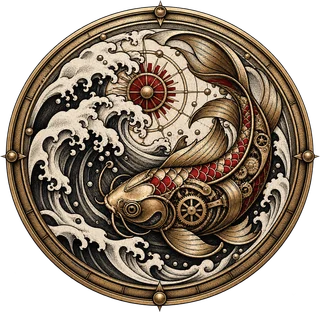
Waves (Vave/Tai)
Represent life's journey, overcoming challenges, and connection to ancestors. -
Fish (Ika)
Signifies abundance, prosperity, fertility, and adaptability. -
Birds (Manu Rere)
Represent freedom, spirituality, and a link between the earthly and celestial realms. -
Tribal Patterns
Intricate geometric designs often represent family lineages, tribal affiliations, and spiritual protection.
Design Elements & Techniques
Traditionally, Polynesian tattooing involved tapping tools made from bone, turtle shell, or wood to insert ink into the skin—a painful but deeply meaningful process. Designs frequently incorporate continuous lines and swirling patterns that flow harmoniously across the body.
Cultural Significance Today
While modernization has brought changes, many Polynesians continue to honor their ancestral traditions through tattooing. Respect for cultural protocols remains essential; it's important to understand the meaning behind designs before getting them inked.