Polynesian tattoos are more than just body art; they're a vibrant tradition deeply rooted in history and meaning. These intricate designs aren’t mere adornment—they tell stories about ancestry, social standing, achievements, and spiritual beliefs.
A Rich Tapestry of Cultures
Polynesian tattoo art spans a vast region, encompassing islands like Hawaii, Samoa, Tonga, Tahiti, Fiji, the Marquesas Islands, and New Zealand (Maori). While sharing common origins, each island group developed its own unique styles and symbolic systems.
The Sacred Process
Historically, getting a tattoo was a deeply sacred ritual. Skilled practitioners, known as tatau, used tapping tools crafted from bone, shell, or wood to create intricate patterns on the skin. These sessions were often accompanied by chanting and ceremonial practices.
Key Symbols & Their Meanings
Let's look at some common Polynesian tattoo symbols:
-
Shark (Manuia)
Represents strength, power, protection, and bravery—a powerful symbol for warriors or anyone seeking resilience. -
Turtle (Honu)
Symbolizes longevity, patience, wisdom, and a connection to the ocean. It can also represent safe navigation and a peaceful journey. -
Tiki
Carved figures representing ancestors or deities, embodying vitality, prosperity, and spiritual guidance. -
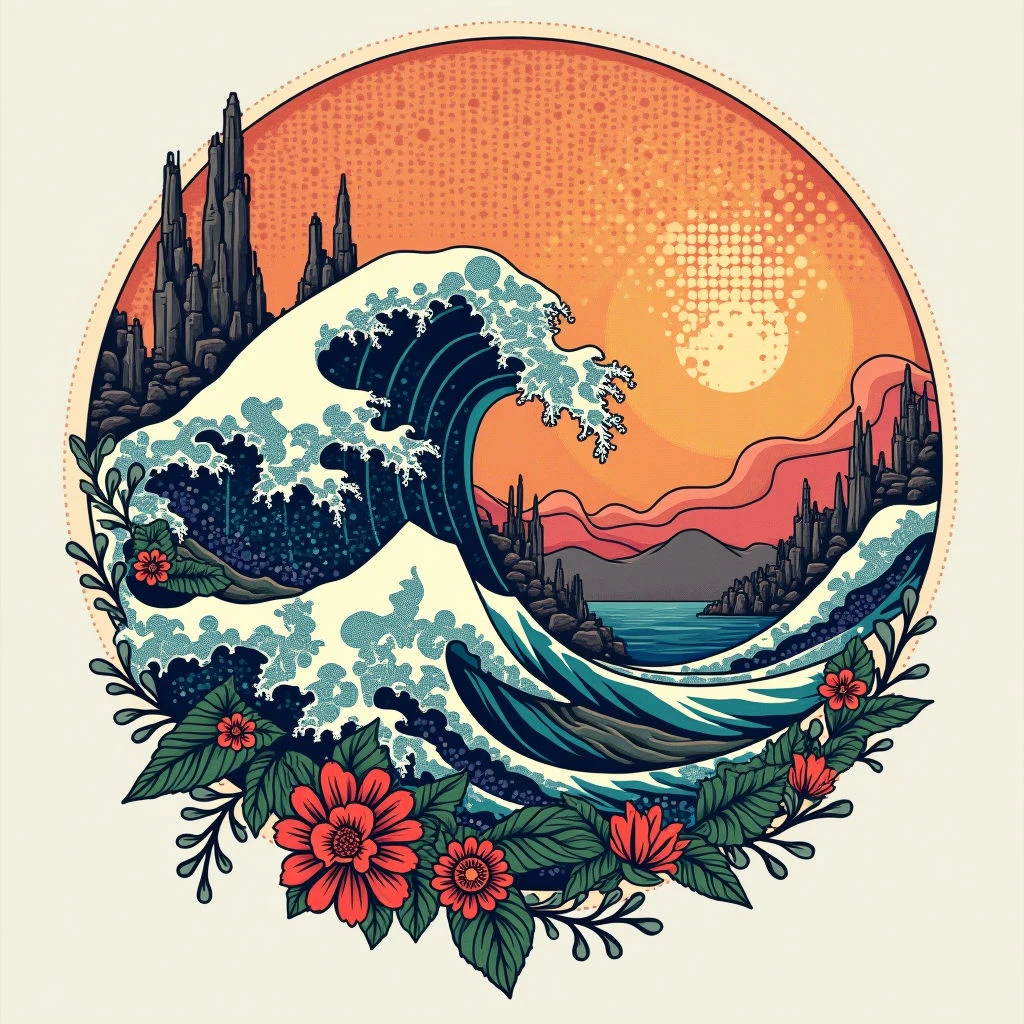
Waves (Nalu)
Represent life's journey, adaptability, and the constant flow of change—a way to show respect for the ocean’s power. -
Fishhook (Hei-Kama)
Represents abundance, sustenance, and a connection to one's ancestors. It can also symbolize fishing skills or the pursuit of knowledge.
Placement & Social Significance
The placement of a tattoo wasn't arbitrary; it held deep meaning. Certain designs were reserved for chiefs, warriors, or those who had achieved significant milestones in life. Placement often indicated social status, family lineage, and personal accomplishments.
Modern Interpretations
Today, Polynesian tattoo art continues to evolve while honoring its ancestral roots. People often choose these designs to connect with their heritage, express themselves, and show respect for Polynesian culture.