Polynesian tattoos aren’t just body art—they're a deeply rooted cultural expression, brimming with history and meaning. These intricate designs originated from the islands of Polynesia – Hawaii, Samoa, Tonga, Tahiti, and Marquesas – and they tell stories about lineage, status, accomplishments, and spiritual beliefs.
A History Etched in Skin
Traditionally, Polynesian tattooing was a sacred ritual reserved for warriors, chiefs, and those who’d achieved significant milestones. The process itself was intense—painful even—and performed by skilled practitioners (known as tatau) using tools crafted from bone, turtle shell, and wood. Each mark held immense significance; it represented an individual's journey and their connection to ancestors.
Key Elements & Symbolism
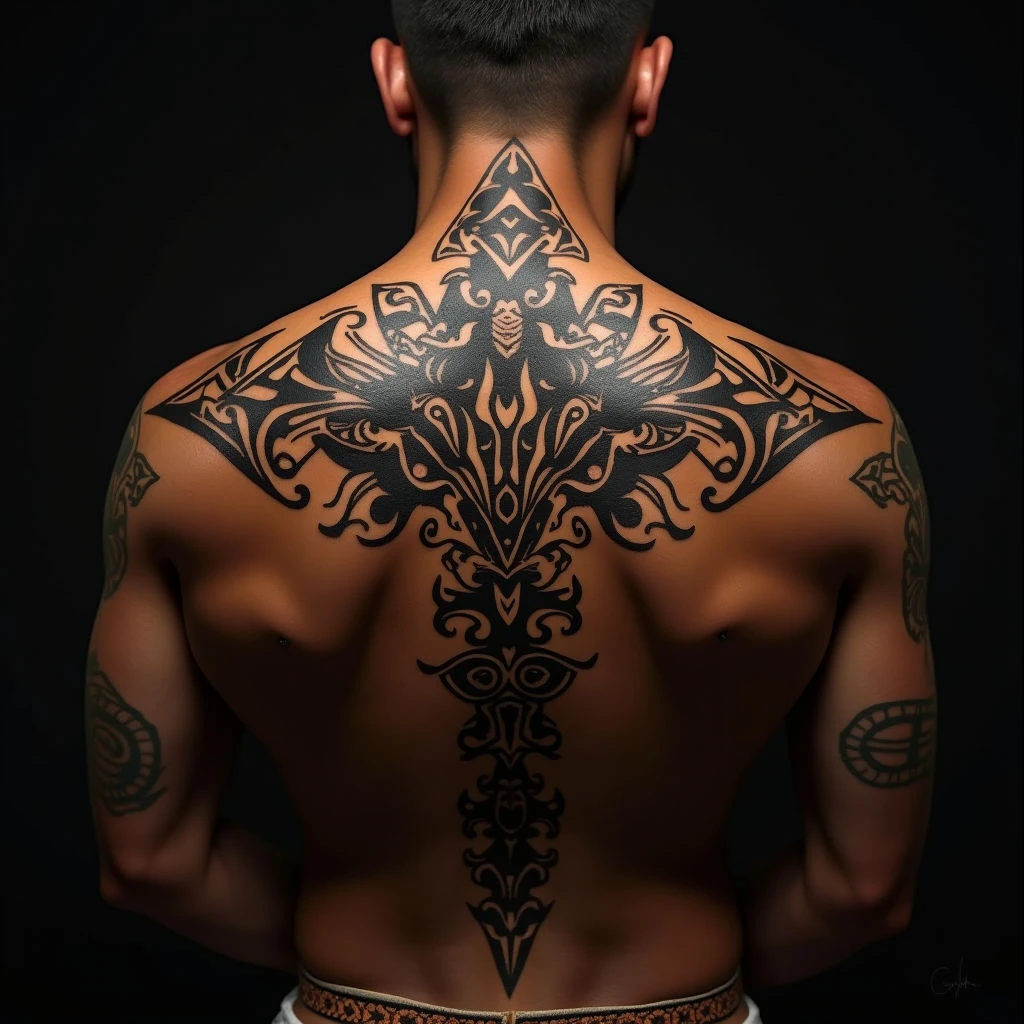
Polynesian tattoo designs are instantly recognizable thanks to bold blackwork, geometric patterns, and stylized depictions of nature—ocean waves, mountains, plants, and animals. Here's a glimpse at some common symbols:
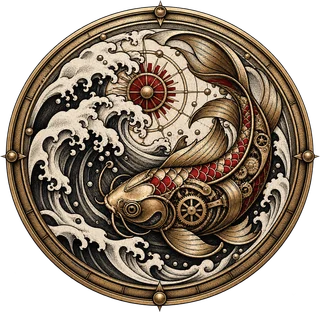
- Waves: Representing the ocean’s power, life’s journey, and connection to ancestors.
- Mountains: Symbolizing strength, stability, and spiritual grounding.
- Birds: Often representing freedom, travel, and a link to the divine.
- Fish: Signifying abundance, prosperity, and adaptability—a testament to resourcefulness.
Styles Across Polynesia
While sharing common roots, Polynesian tattoo styles differ from island to island. For example:
- Samoan Tattoos (Tatau): Known for their extensive coverage and emphasis on genealogical patterns—a visual family tree etched into the skin.
- Hawaiian Tattoos (Kākau): Often feature natural motifs like leaves, flowers, and ocean scenes, reflecting the islands’ beauty.
Modern Interpretations & Respect
Today, Polynesian tattoo designs are popular worldwide. Modern interpretations often incorporate new elements, but it’s crucial to approach these tattoos with respect for their cultural significance—understanding the history and meaning behind each design.