
Polynesian tribal tattoos are far more than just body art—they represent a profound connection to ancestry, spirituality, and cultural identity. Traditionally, these weren't simply decorative; they served as markers of social standing, personal achievements, lineage, and even protection.
The Sacred Art of Tattooing
The tattooing process itself held deep spiritual significance. Skilled artisans would often perform the work using traditional tools—tapping stones (mallets) and combs crafted from bone or turtle shell. It was a meticulous, respectful practice.
Decoding the Symbols
The designs themselves are incredibly intricate, filled with symbolic motifs that carry layers of meaning. Let's look at some common examples:
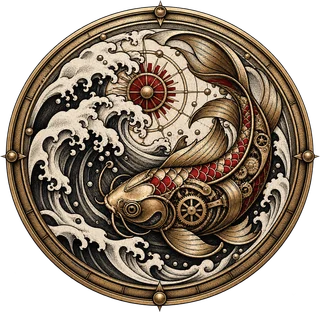
- Waves: Representing the ocean’s power and a connection to ancestors—a reminder of life’s journey.
- Mountains: Symbolizing strength, stability, and spiritual grounding; a solid foundation.
- Birds: Often representing freedom, travel, and a connection to the divine—a sense of liberation.
- Fish Hooks: Associated with fishing, prosperity, and securing one's future; a practical blessing.
- Tiki Faces: Depicting ancestral spirits or deities, offering protection and guidance—a constant guardian.
Placement Matters
The placement of these symbols wasn't random either. Certain patterns were reserved for chiefs or warriors, while others indicated marital status or family lineage—a visual record of a person’s place in the community.
A Living Tradition
Today, Polynesian tribal tattoos remain a powerful and vibrant expression of cultural pride and personal identity—a beautiful way to honor heritage.