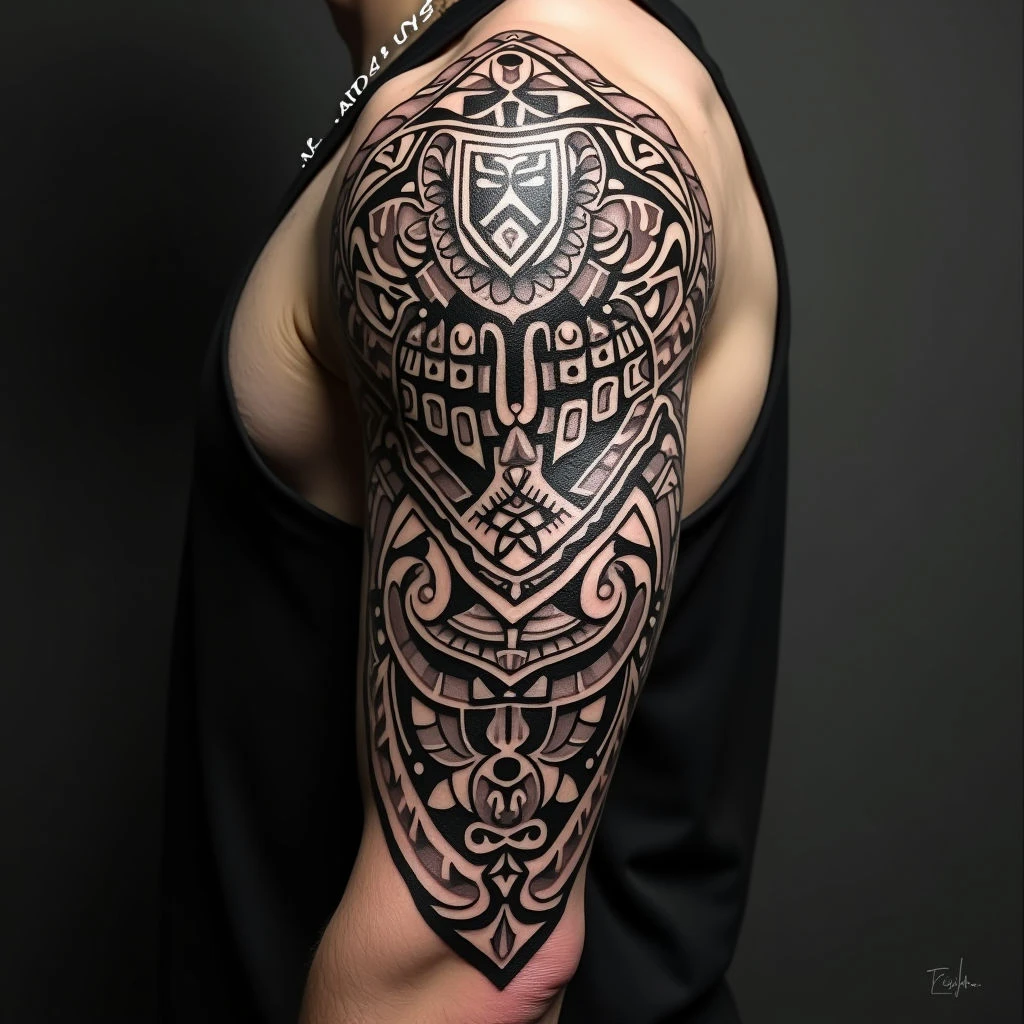
Yo, check it – Polynesian tribal tattoos aren’t just ink on skin. They're stories etched in history, reflections of a culture’s beliefs, lineage, and connection to the islands. Forget your basic flash art; this is deep stuff.
The Roots: More Than Just Decoration
The tradition stretches back centuries across cultures like Samoa, Tonga, Tahiti, Hawaii, and Māori (New Zealand). These weren’t just about looking cool—they were rites of passage, markers of status, and declarations of identity. Each design, every swirl and line, carries a specific meaning passed down through generations.
Key Symbols & What They Represent
Let’s break down some common symbols. It's more than just aesthetics; each one holds significant cultural weight.
-
Tiki
Represents ancestors, spirits, and protection—a cornerstone of Polynesian mythology. Think of it as a connection to those who came before. -
Mana
This is life force, power—a really important concept. You'll often see it depicted through intricate patterns or repeated motifs. Getting a mana tattoo? It’s about seeking that powerful energy. -
Ocean Motifs (Sharks, Turtles, Fish)
These represent navigation, a deep connection to the sea, and respect for nature. A surfer’s gotta rep the ocean, right? -
Geometric Patterns
These aren't random doodles. They represent family lineage, social rank, and spiritual beliefs—a visual record of your place in the world.
The Process: Pain & Respect
Traditionally, Polynesian tattoos (Tatau) were done using handmade tools—sharp stones or bone tapping against skin. It was a serious ceremony, not just an appointment.
The pain? Real. It wasn't something to be taken lightly; it showed resilience and commitment to the tradition.
Respect the Culture
If you’re thinking about getting Polynesian tribal ink, do your research! Understand the meaning behind the design. Don’t just copy something you saw online—connect with an artist who respects the culture and can guide you.