Japanese tattoos carry a deep history, interwoven with cultural significance and spiritual meaning. Unlike Western traditions, traditional Japanese tattooing—known as irezumi—was historically associated with the working class and Yakuza, using intricate imagery to tell stories.
Understanding Common Symbols
Today, these symbols remain popular choices for those wanting to express personal beliefs, honor their heritage, or simply appreciate the art form’s beauty.
Key Japanese Symbols and Their Meanings
Here's a look at some frequently chosen symbols:
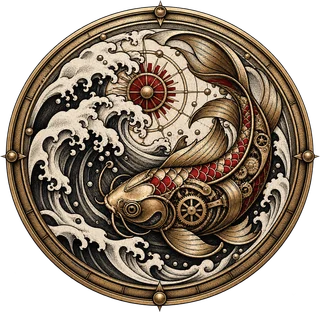
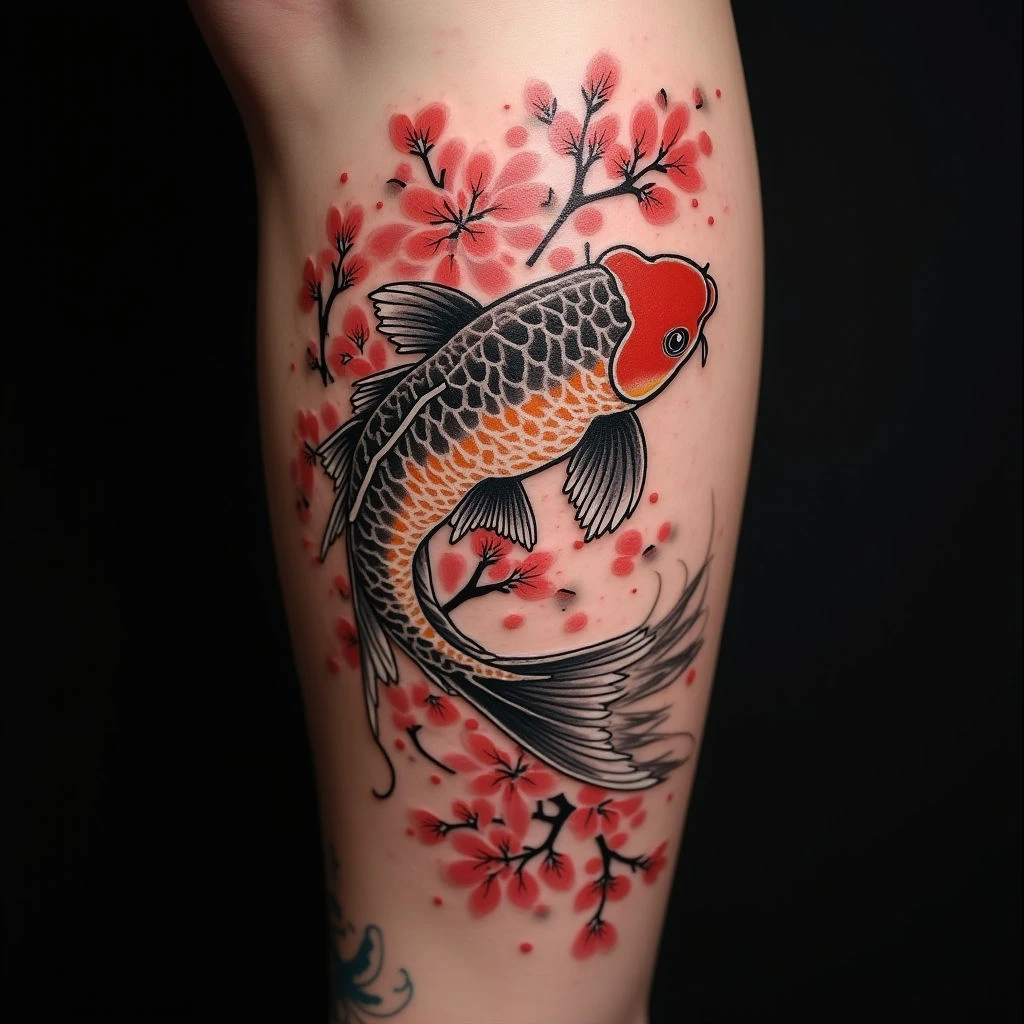
- Koi Fish (Carp): Represents perseverance, strength, and determination. The image of a koi swimming upstream is a powerful metaphor for overcoming challenges—often paired with dragons to symbolize transformation and ambition.
- Cherry Blossom (Sakura): A symbol of the fleeting nature of life, beauty, and renewal. These blossoms bloom briefly each spring, reminding us to cherish every moment; they also represent purity and hope.
- Dragon (Ryū): Embodies wisdom, power, and good fortune. Revered in Japanese mythology, dragons are often linked with rain and fertility—symbols of strength, courage, and protection.
- Kanji: These are the beautiful Japanese characters that each hold a specific meaning. Kanji tattoos can represent virtues like strength or patience; careful consideration is essential when selecting a character to ensure accurate translation and cultural appropriateness.
- Phoenix (Hō-ō): Represents rebirth, renewal, and immortality—the phoenix rising from ashes symbolizes overcoming adversity and achieving spiritual enlightenment.
Design Considerations
The placement of a Japanese symbol tattoo is crucial for conveying its intended meaning. For example, koi fish are often designed to flow with the body’s contours, mimicking their swimming motion, while dragons frequently appear on the back or arms to emphasize their power.
Working with an experienced artist familiar with traditional Japanese tattooing techniques and symbolism is highly recommended.
Respecting the Culture
It’s essential to approach Japanese tattoos with respect for their cultural significance. Taking the time to research the meaning of symbols and choosing an artist who understands this art form shows a commitment to honoring tradition.