
Japanese tattoos carry a rich history and deep cultural significance, often representing profoundly personal stories. Unlike Western traditions, the practice of irezumi—traditional Japanese tattooing—was once tied to specific social groups and held considerable symbolic importance.
Exploring Traditional Symbols
While the historical context isn't as common today, respect for the artistry and symbolism remains strong. Here’s a look at some popular Japanese tattoo symbols and what they represent:
-
Dragon (Ryū)
Represents strength, wisdom, courage, and good fortune. You’ll often see dragons depicted soaring through clouds or water—a powerful image of resilience. -
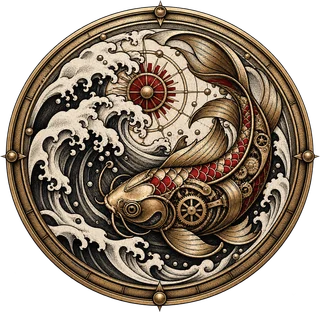
Koi Fish (Nishikigoi)
Symbolizes perseverance, determination, ambition, loyalty, and love. The legendary journey of a koi swimming upstream against strong currents embodies overcoming obstacles to achieve success. -
Cherry Blossom (Sakura)
Represents the beauty of life, its fleeting nature, renewal, hope, and new beginnings—a poignant reminder that nothing lasts forever. -
Phoenix (Hō-ō)
Symbolizes rebirth, immortality, resurrection, and transformation. The image of a phoenix rising from ashes speaks to overcoming adversity. -
Tiger (Tora)
Represents courage, strength, protection, and warding off evil spirits. -
Peony (Botan)
Signifies wealth, prosperity, honor, and beauty. -
Mandarin Duck (Oni-dori)
Symbolizes marital bliss, fidelity, and love.
Design & Placement
The placement of these symbols matters. A koi fish swimming upward, for example, often signifies ambition and progress. Wrapping a dragon around an arm can symbolize protection and power. Combining multiple elements creates a more complex narrative—it's like telling a visual story.
It’s essential to work with an experienced artist who truly understands Japanese tattooing traditions, ensuring the design respects its cultural significance.
Modern Takes on Tradition
While traditional meanings are deeply respected, contemporary artists often blend them with personal narratives and modern aesthetics. Think about your own story—how can you incorporate these powerful symbols into a unique and meaningful tattoo?