Japanese tattooing, known as Irezumi, has a rich history deeply connected to culture, spirituality, and artistry. These aren't just decorative designs; they’re symbols brimming with meaning—representing values like courage, loyalty, beauty, and perseverance.
Popular Japanese Tattoo Symbols
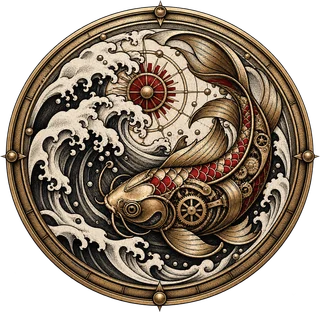
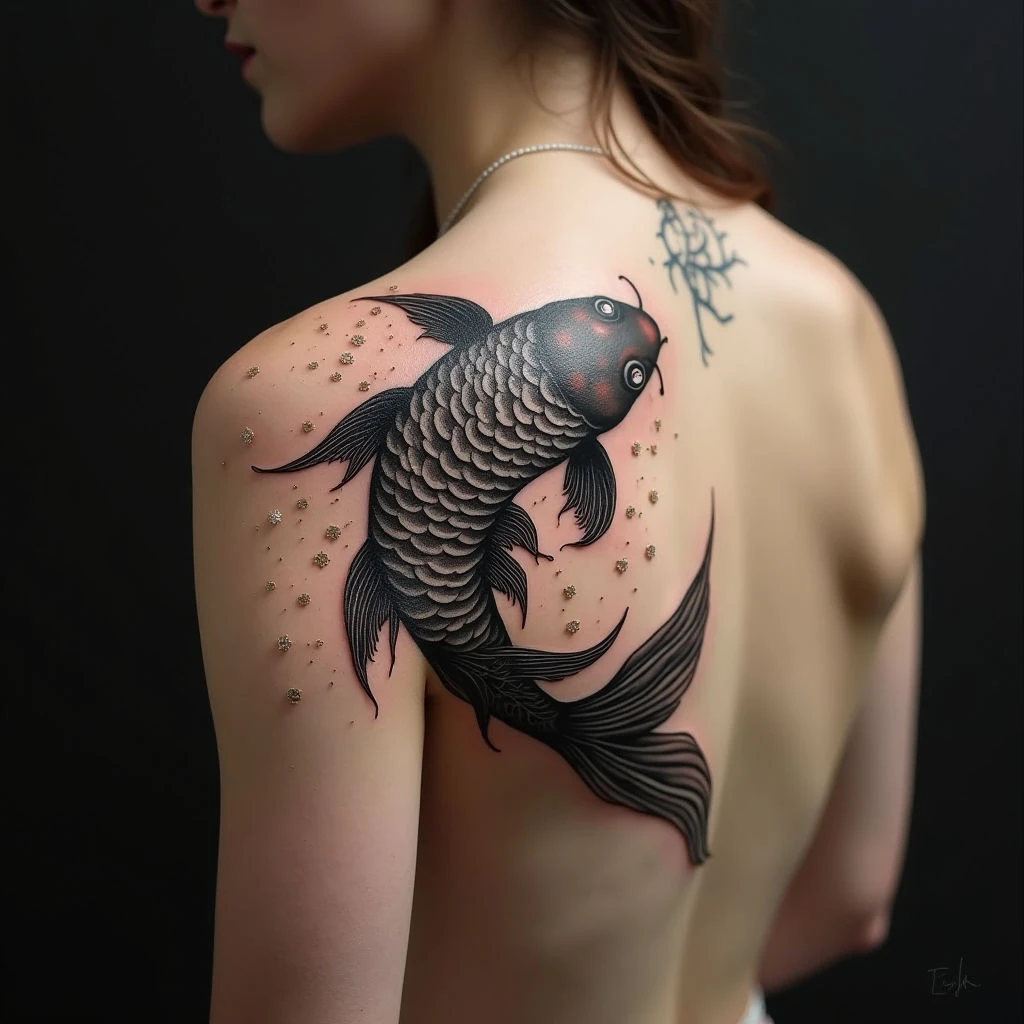
The Koi Fish (鯉): Transformation & Perseverance
The koi fish is arguably the most recognizable symbol in Japanese tattooing. It speaks to strength, determination, and overcoming challenges—a legend tells of koi swimming upstream against powerful currents to eventually transform into dragons. You’ll often see designs featuring two koi: one orange, symbolizing masculinity, and another white, representing femininity.
Cherry Blossoms (桜): Ephemeral Beauty & Renewal
Known as Sakura in Japanese, cherry blossoms embody the fleeting nature of life and beauty. Their brief blooming period serves as a beautiful reminder to appreciate each moment—they’re frequently paired with other elements like dragons or geishas.
Dragons (龍): Power & Wisdom
Dragons hold a place of great respect in Japanese culture, representing strength, wisdom, and protection. They’re often linked to water and weather, depicted guarding treasures or soaring through the skies. A dragon tattoo can also symbolize ambition and overcoming adversity.
Phoenix (不死鳥): Rebirth & Immortality
The Phoenix, or Hō-ō, represents rebirth, immortality, and resilience—rising from ashes stronger than before. It’s a powerful metaphor for personal transformation.
The Rising Sun (日の丸): Loyalty & Patriotism
While historically linked to the Imperial Japanese Army, the Rising Sun symbol can also represent hope and loyalty. Its interpretation requires careful consideration due to its complex history.
Choosing Your Symbol
Selecting a Japanese tattoo is about more than just aesthetics; it’s about understanding the symbol's significance and respecting cultural context. It’s crucial to consult with an experienced artist who understands traditional Japanese techniques to create a meaningful and beautiful design.