For many, sacred symbols etched onto skin carry deep personal meaning. Across cultures, religious tattoos often express faith, devotion, and a unique journey.
Christian Symbols
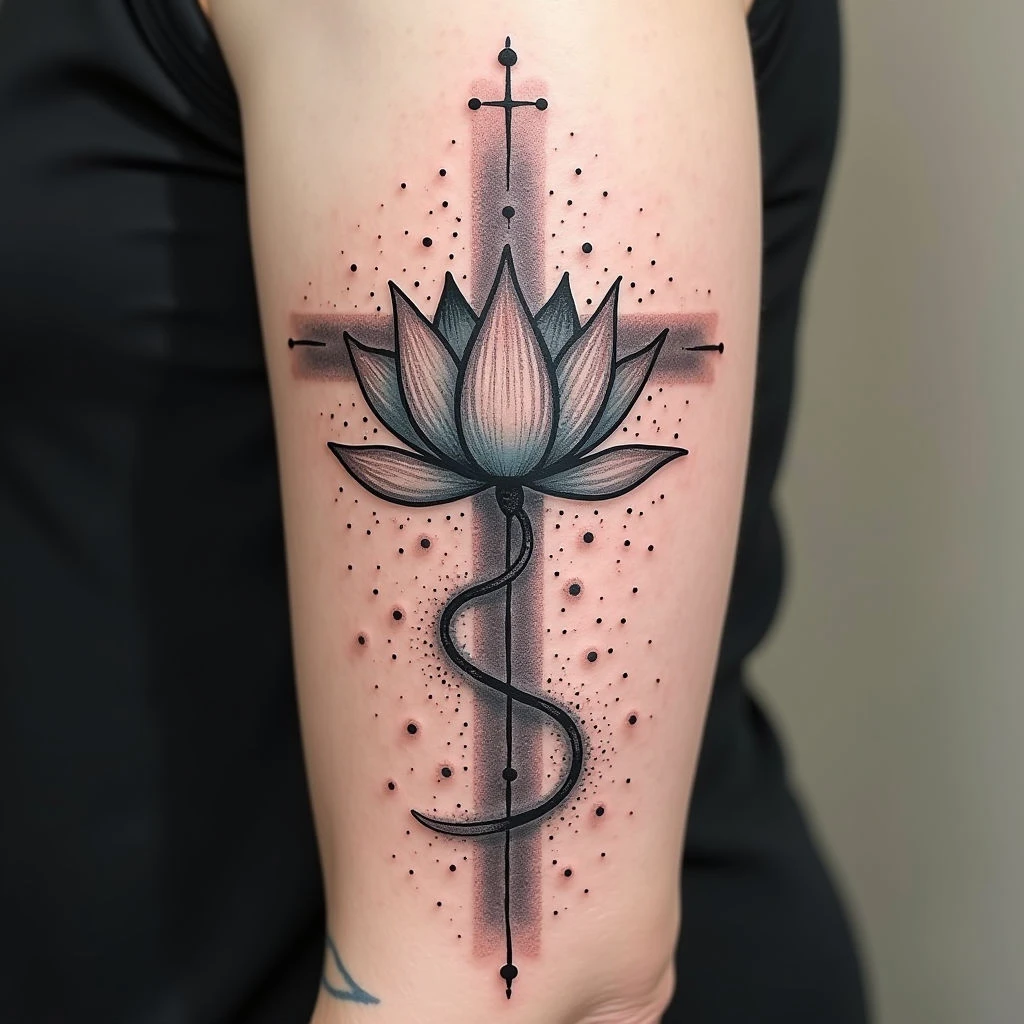
The cross is a powerful emblem representing sacrifice and redemption. You'll also see the fish (Ichthys), an early Christian symbol, and depictions of angels—divine messengers.
Buddhist Imagery
Within Buddhism, the lotus flower is a beautiful representation of enlightenment and purity. The mantra "Om mani padme hum" embodies compassion, while Buddha statues symbolize the enlightened one.
Islamic Calligraphy
Arabic script is frequently used in Islamic tattoos. These often feature verses from the Quran or names of Allah—a profound expression of faith that demands deep respect and understanding.
Hindu Deities
In Hinduism, you'll find depictions of Ganesha (remover of obstacles), Lakshmi (goddess of prosperity), and Shiva (the destroyer)—each reflecting reverence for divine forces.
Aboriginal Dreamtime Stories
Dot paintings, integral to Aboriginal culture, depict ancestral beings, creation stories, and the interconnectedness of all things. These are deeply sacred; representing them respectfully requires permission and guidance from Elders.
Respectful Representation is Key
Before getting any religious symbol tattooed, it's vital to understand its cultural context and significance. Avoid appropriation—seek knowledge, consult with experts if needed, and consider the potential impact on those who hold these beliefs sacred. Ultimately, a tattoo’s power lies not just in how it looks but also in the story it tells.