Body art has always been a way to express faith, and religious tattoos are particularly meaningful. They’re not just about aesthetics; they're declarations of belief, connections to heritage, and commitments to spiritual principles.
Christian Tattoos: Symbols of Faith
The cross is instantly recognizable—a symbol of sacrifice and redemption. You’ll often see images of Jesus, like the Lamb of God, representing divine grace. Angels are common too, symbolizing protection and guidance.
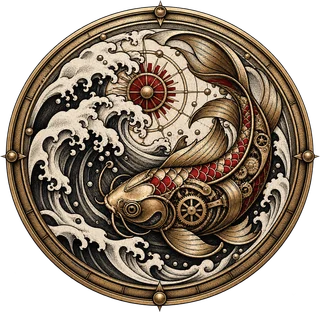
Interestingly, early Christians used a simple fish – Ichthys – as a secret symbol to identify each other during times of Roman persecution. It’s a powerful reminder of their faith.
Islamic Calligraphy: A Constant Reminder
Arabic calligraphy is deeply woven into Islamic art, and that extends to tattoos. Verses from the Quran or phrases praising Allah are frequently inscribed—not just as decoration, but as a constant reminder of devotion.
It's worth remembering that visible religious markings can be sensitive in some communities, so research and respect for cultural boundaries is essential.
Buddhist Tattoos: Seeking Enlightenment
The lotus flower appears often in Buddhist tattoos; it represents purity and enlightenment. Images of the Buddha embody wisdom and compassion.
You’ll also see “Om mani padme hum,” a mantra invoking Avalokiteśvara, the bodhisattva of compassion—many get this tattooed for its protective qualities.
Hindu Tattoos: Deities and Symbols
Hindu religious tattoos frequently depict deities like Ganesha, the remover of obstacles, or Lakshmi, the goddess of wealth. The sacred Om symbol represents ultimate reality and the sound of creation.
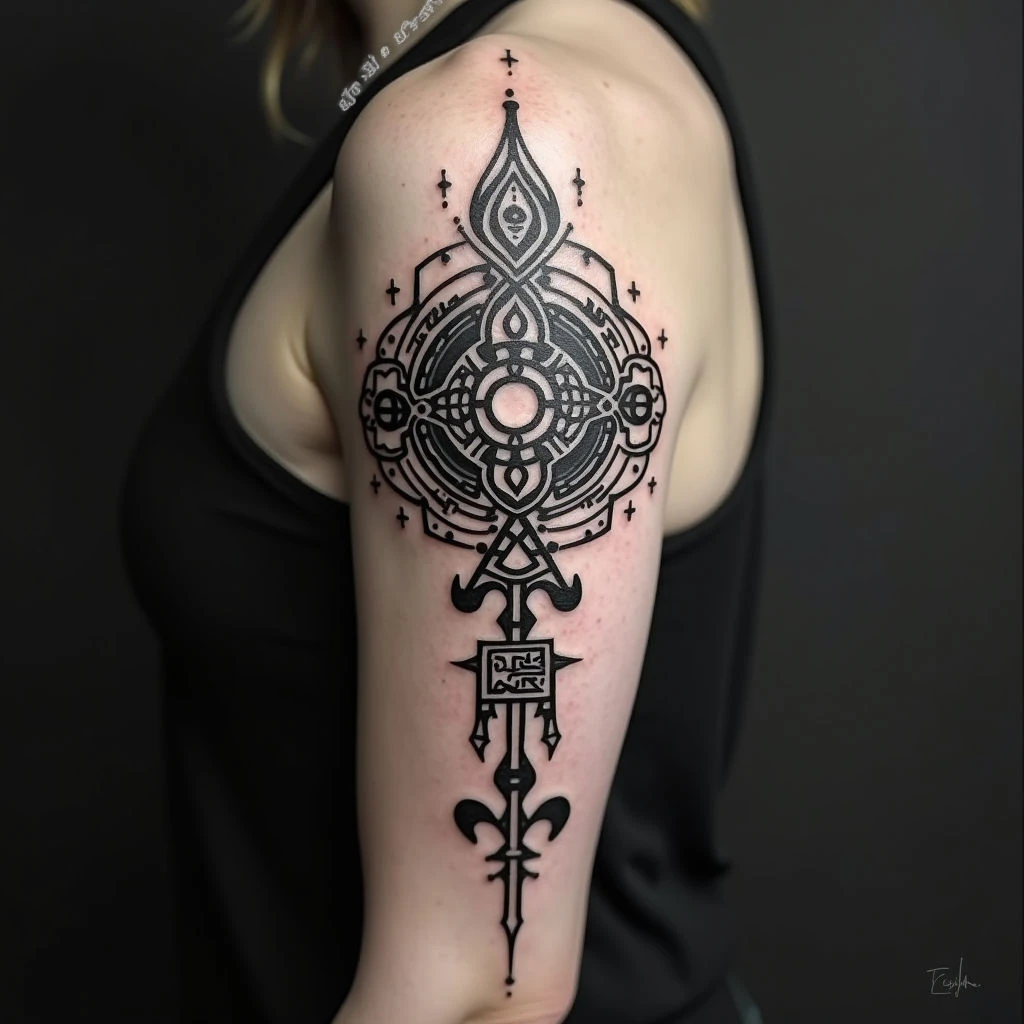
Mandala designs—representing the universe—are also quite popular. These symbols carry deep meaning and are rooted in cultural context.
A Moment of Reflection
Before getting any religious tattoo, it's really important to understand what the symbol means and make sure it aligns with your personal beliefs.