
Sacred tattoos are more than just art; they’re deeply meaningful expressions of culture, faith, and personal stories. From the intricate tribal markings of Polynesia to Buddhist mantras inked onto skin, these designs carry a profound weight—connecting the wearer to something larger than themselves.
A Look Back in Time
The tradition of sacred tattooing stretches back thousands of years. Cultures like the Māori of New Zealand (with their distinctive Tā moko), Samoans, and various Borneo tribes used tattoos for identification, to denote status, offer spiritual protection, and share stories—they were an essential part of their social structure and connection to the divine.
Western Influences and Design Evolution
As Western tattooing gained popularity, new interpretations and designs emerged. Sailor Jerry’s influence is a prime example; he brought American traditional imagery to the forefront, often drawing inspiration from religious symbolism—think anchors representing stability or swallows symbolizing safe journeys.
Understanding the Symbolism
The meanings behind sacred tattoos are incredibly diverse. Here's a glimpse:
- Religious Motifs: Crosses, mandalas, Hebrew lettering, and depictions of deities often represent faith and spiritual devotion.
- Tribal Patterns: Intricate designs from cultures like Polynesia or Borneo signify lineage, strength, and a connection to ancestors; they can also act as protective charms.
- Mandalas: These geometric patterns represent the universe and are common in Buddhist practices, symbolizing wholeness and spiritual awakening.
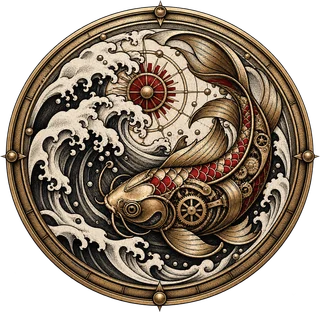
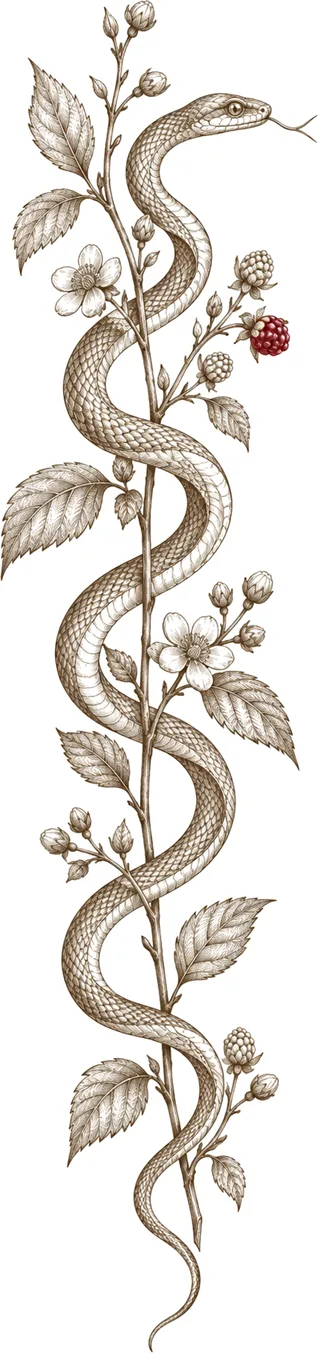
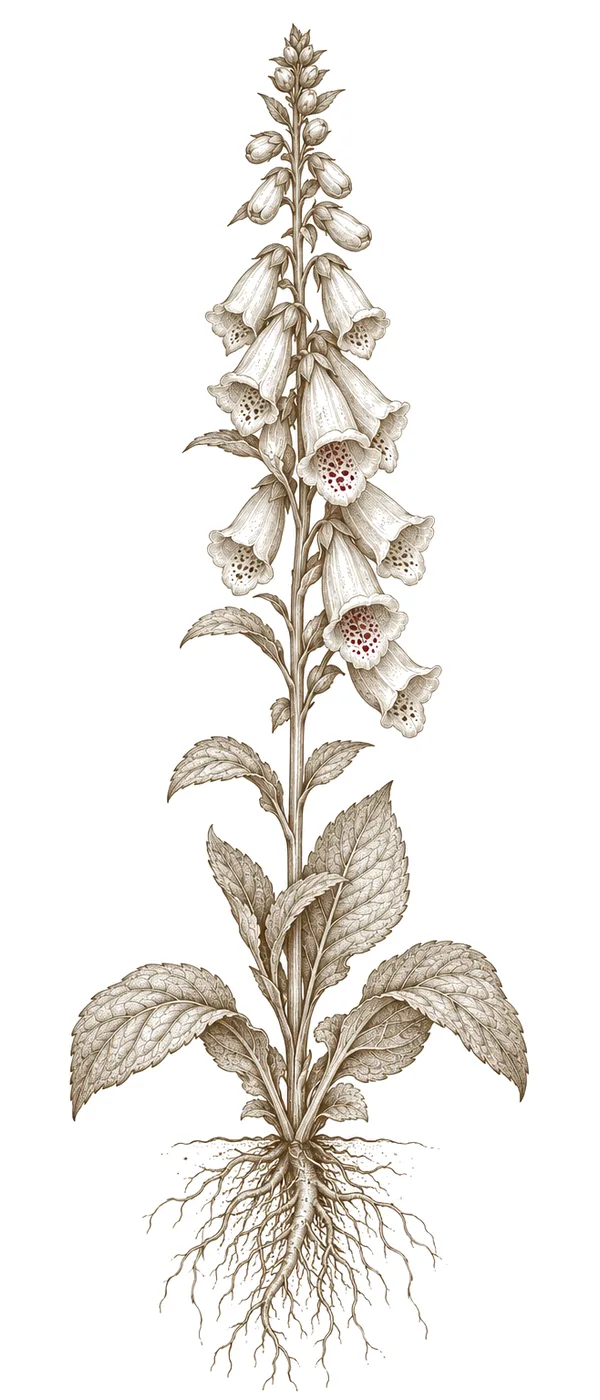
- Personal Symbols: People often choose symbols that hold personal significance—perhaps a specific animal or plant representing virtues or honoring loved ones.
Sacred Tattoos Today
Today, people seek sacred tattoos for a variety of reasons: to honor family traditions, express their spiritual beliefs, commemorate significant life events, or simply find a beautiful and meaningful connection with their bodies.