
Henna body art holds deep cultural meaning for many indigenous communities around the world. It's far more than just decoration—it’s a tradition, often used in ceremonies, celebrations, and even healing practices. The patterns you choose matter.
Understanding the Cultural Significance
Before you apply anything to your skin, it’s essential to learn about the cultures that use henna. Really dig into its history, symbolism, and how it's properly used within those traditions. Some designs are reserved for specific ceremonies or individuals—using them without understanding is disrespectful.
Simple Beginner Designs to Try
If you’re new to henna, start with the basics. Geometric shapes like circles, triangles, and diamonds are a great place to begin, along with simple floral motifs. Practice on paper first—a steady hand and good quality henna paste (natural ingredients only!) will make all the difference.
Design Ideas
- Floral Border: A simple border of stylized flowers around your palm is an elegant starting point.
- Geometric Band: Repeating triangles or diamonds creates a modern, minimalist look.
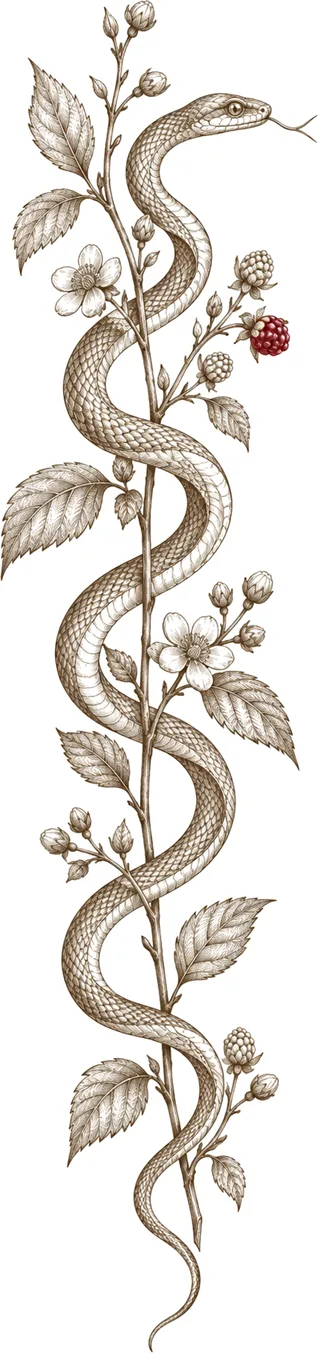
- Leaf Motifs: Arrange simple leaf patterns along the lines of your hand for a natural feel.
Practicing with Respect
Consider supporting indigenous artists and businesses who practice henna authentically. When in doubt, it's always best to err on the side of caution or seek guidance from someone knowledgeable about the culture.
A Note on Cultural Sensitivity
It’s important to remember that symbols like dreamcatchers, eagle feathers, and medicine wheels are sacred to various Native American tribes—they aren't generic designs for decoration. Using them without understanding their meaning is deeply disrespectful and constitutes cultural appropriation.