

Henna, or Mehndi, is a beautiful ancient art form using plant-based dyes to create intricate patterns on the skin. Even a simple design on the front of your hand can be incredibly elegant and symbolic – it's more than just decoration.
Understanding the Symbolism
Mehndi designs often incorporate floral motifs. Roses, for example, represent love; lotus flowers symbolize purity; and paisleys are associated with fertility and good fortune. It's fascinating how even basic leaf patterns connect to growth, renewal, and the rhythms of life.
Design Ideas
Let’s explore some ideas for incorporating nature's beauty into your Mehndi. Here are a few starting points:
-
Single Vine
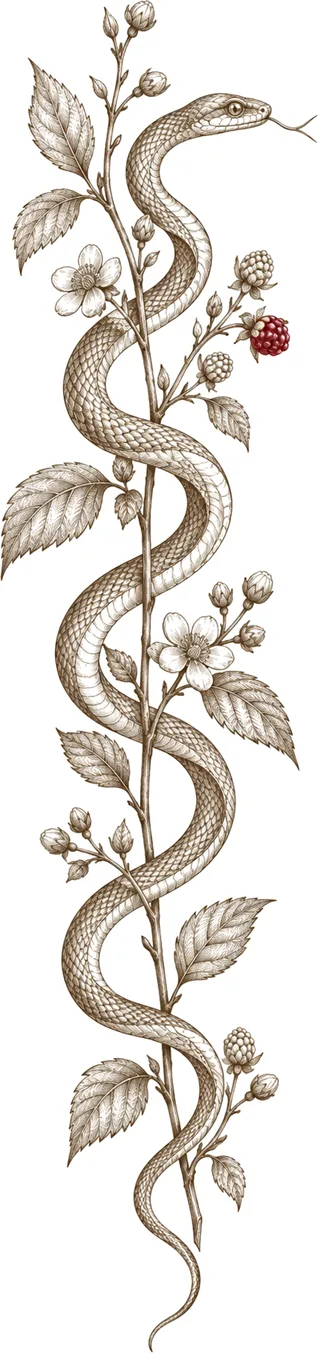
A simple vine design winding across your hand can be incredibly graceful – it’s a classic for a reason. -
Floral Accents
A few strategically placed lotus or rose petals can create a delicate and refined look. Less is often more. -
Leaf Patterns
Try mimicking the shapes of ferns, mango leaves, or even tiny oak leaves for an earthy and organic feel. -
Geometric Blends
Incorporating simple geometric shapes like circles and triangles can add structure while maintaining a sense of simplicity. It’s about balance.
Botanical Accuracy & Application
When choosing a design, think about how it will flow with the natural shape of your hand and fingers. The curve of your palm can really influence the final look. A skilled Mehndi artist understands this intuitively – they know how to apply henna for both longevity and vibrant color.
Proper drying time is key; aim for at least 15-20 minutes before removing the excess paste. It makes a difference!
Aftercare
To help your Mehndi develop a richer, darker stain, keep it moist. Gently apply natural oils like coconut or olive oil throughout the first few days – that’s what I always do.