

From the intricate beauty of ta moko to henna’s delicate artistry, body adornment is deeply meaningful across cultures. Mehndi, rooted in the Indian subcontinent, isn't just decoration—it’s a way to express joy, celebrate traditions, and honor heritage.
Understanding the Meaning Behind the Patterns
The designs you see aren't random; they carry symbolic weight. They often represent blessings, prosperity, and love. While elaborate mehndi can be stunning, even a simple design holds significant meaning.
Easy Mehndi Patterns to Try
Let's explore some patterns that are surprisingly easy to create:
Simple Dots & Circles
Start with the basics: dots and circles arranged in rows or clustered together. It’s a great way to build confidence.
Leaf Motifs
Leaves are common symbols of growth and new beginnings—trace simple leaf shapes along your fingers or wrist for a lovely touch.
Floral Vines
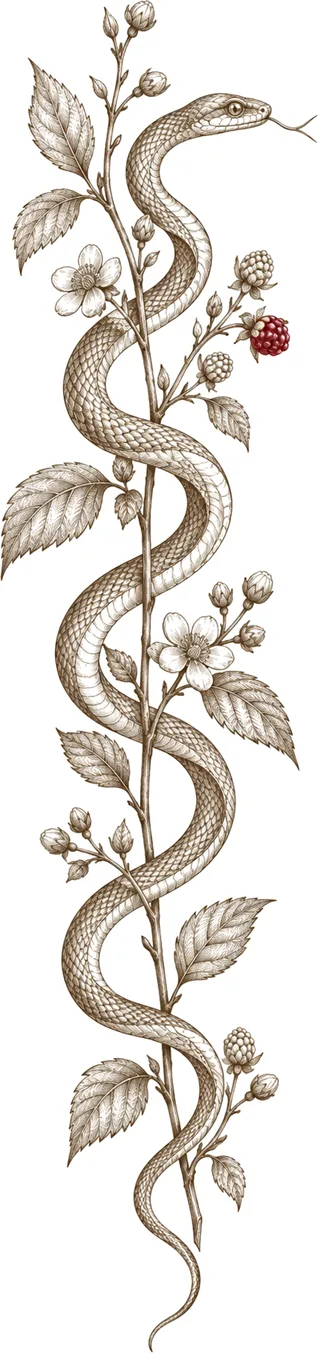
Create a flowing vine effect using small flowers and curved lines. These designs adapt beautifully to the shape of your hand.
Geometric Patterns
For a clean, modern look, try simple geometric shapes like triangles, squares, and diamonds.
Tips for Application
1. Choose Quality Henna Paste: Authentic henna is essential for a rich color and safe application. Be sure to avoid 'black henna,' which can cause allergic reactions.
2. Exfoliate Your Skin: Gently exfoliate the area before applying—this helps the paste adhere better.
3. Apply Evenly: Use a cone or applicator bottle to apply the paste evenly. A toothpick can be handy for adding fine details.
4. Let It Dry & Stain: Allow the henna to dry completely (around 15-20 minutes) and then remove the dried paste to reveal a vibrant stain.