A tattoo's appeal isn’t just about how it looks; it’s the story it carries. While elaborate designs are beautiful, there's a quiet strength and elegance to simplicity—and often, the most striking tattoos draw inspiration from traditions.
The Essence of Japanese Aesthetics
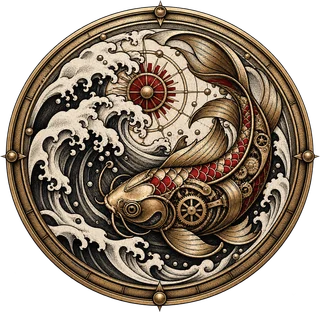
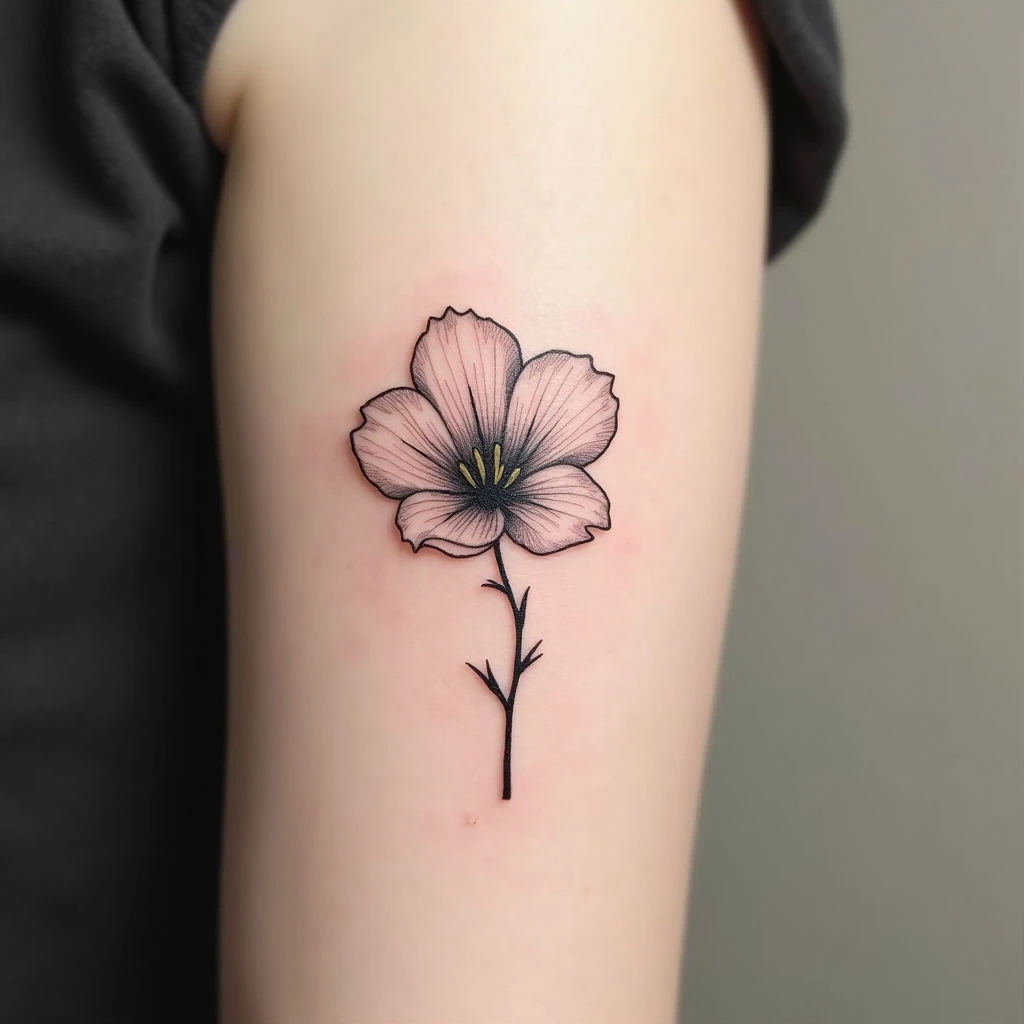
Traditional Japanese irezumi is full of symbolism and artistry. Even when simplified, these elements retain their cultural significance. Think about a single cherry blossom (sakura): it speaks to beauty, fragility, and the fleeting nature of life. A lone koi fish? That’s perseverance, courage—a powerful message in its purest form.
Minimalist Motifs & Their Meanings
Wind bars (fuujin) represent strength and adaptability. A solitary torii gate can symbolize a transition, an entrance into sacred space. These aren't just decorations; they’re pieces of cultural heritage.
The Tebori Difference
Tebori, the traditional Japanese hand-poked tattooing technique, is particularly well-suited to minimalist designs. The slight imperfections and subtle variations it creates give a unique texture—something often missing in tattoos made with machines.
Beyond the Image: Personal Meaning
A truly special tattoo isn't just about looks; it’s about what it means to you. Consider your values, passions, and experiences—how can you translate them into a simple yet meaningful design? Even a single brushstroke of calligraphy expressing a word or concept close to your heart can be incredibly powerful.
Embrace the Empty Space
'Ma,' the Japanese concept of negative space, is essential in art. You don't need to fill every bit of skin with imagery; allow those empty spaces to breathe and amplify the design’s impact.