


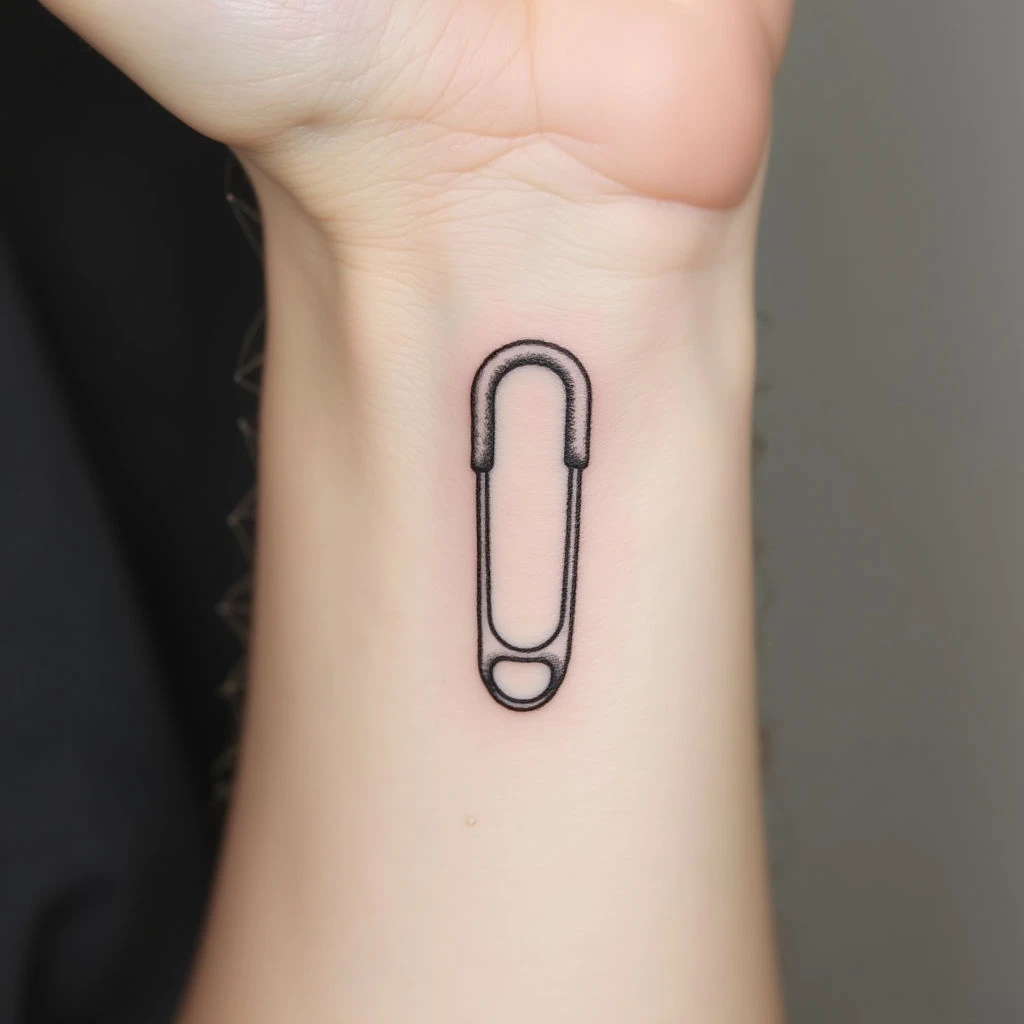
The small safety pin has become a powerful symbol, especially within the mental health community. It started as a way to show support for marginalized groups and is now widely recognized as representing mental health awareness and trauma recovery.
What Does a Safety Pin Tattoo Represent?
For many, getting a safety pin tattoo is about more than just body art. It’s a visual statement with layers of meaning.
Mental Health Awareness
It can serve as a constant reminder to check in on your own mental well-being and offer support to others who are struggling.
Trauma Recovery
The imagery of 'pinning' something together resonates deeply with those working through past trauma. It’s a symbol of resilience, healing, and piecing yourself back together after a difficult experience—a tangible representation of rebuilding.
Solidarity and Support
It's also a way to visibly show support for those battling mental illness or PTSD. A simple gesture that can make a big difference.
Self-Care Reminder
Sometimes, it’s just a quiet nudge—a discreet reminder to prioritize self-care, practice mindfulness, and seek help when you need it.
Placement: A Personal Choice
Where someone chooses to get a safety pin tattoo is often very personal. Some prefer a visible spot for daily affirmation, while others opt for a more private location.
Tattoos and Healing
For individuals facing PTSD or other mental health challenges, tattoos can be incredibly powerful. They offer a tangible symbol of progress and strength—a way to mark your journey. The tattooing process itself can even feel therapeutic, giving you a sense of control over your body and your story.