Ancient Roots & Cultural Significance
Across continents, tattoos have been integral to spiritual practices. In Polynesian cultures, intricate tribal designs marked milestones and social status, often reflecting ancestry and connection to the natural world. Similarly, ancient Egyptians used tattoos for healing rituals and protection. Japanese Irezumi traditions are deeply interwoven with Buddhist beliefs and samurai values, where each symbol holds profound significance.
Common Spiritual Symbols
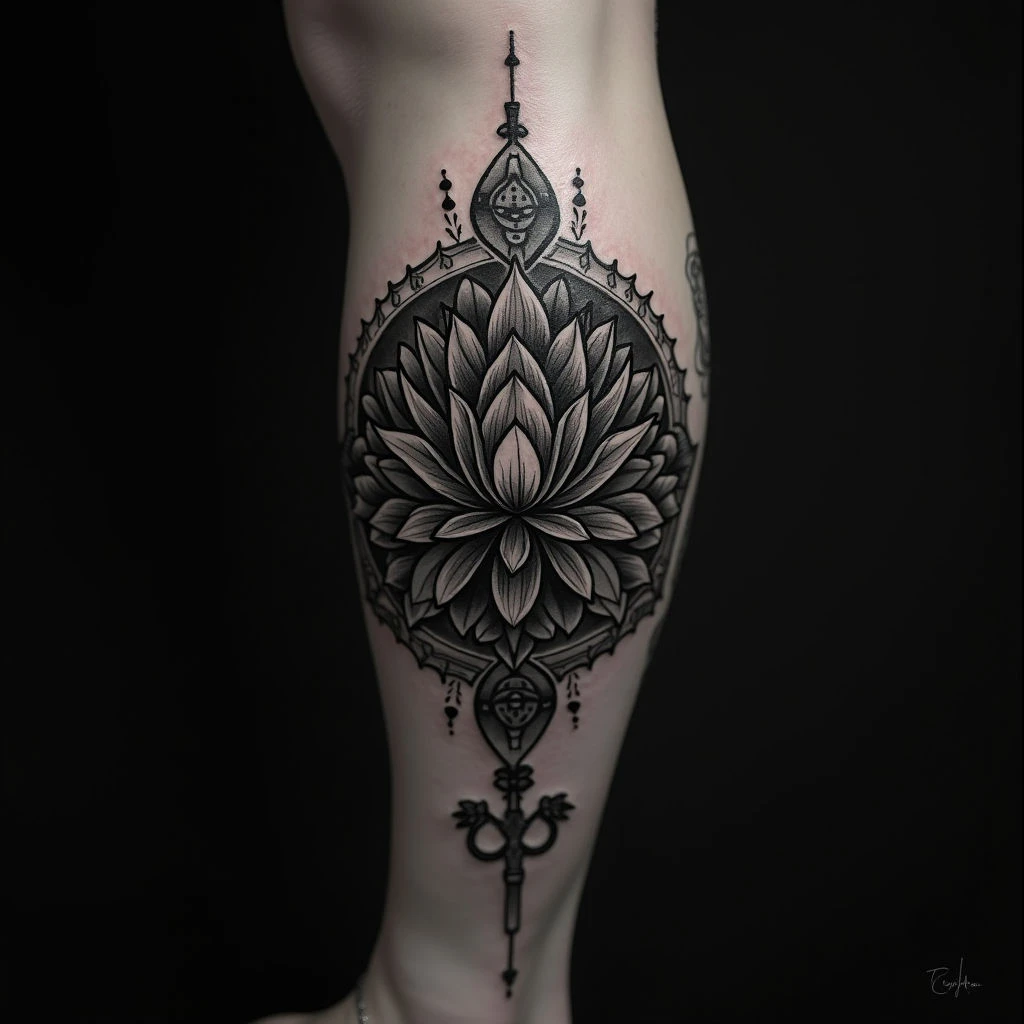
Certain symbols recur in tattoo art across cultures, representing universal themes. The lotus flower signifies enlightenment and rebirth; the mandala embodies cosmic order and wholeness; Om represents the sound of creation. These aren’t just aesthetic choices - they are visual prayers or affirmations.
Personal & Emotional Meaning
Today, many individuals choose tattoos to represent their personal spiritual journeys – overcoming adversity, honoring loved ones, expressing faith, or simply reminding themselves of core values. A small feather might symbolize freedom and lightness; a compass represents guidance and direction. The power lies in the individual’s connection to the symbol.
Choosing Your Spiritual Tattoo
When selecting a tattoo with spiritual meaning, consider its historical context and personal resonance. Research the symbolism thoroughly – don't just choose something because it looks beautiful; understand what it means. Connecting with an artist who understands your vision is also vital to ensure the design accurately reflects your intentions.