
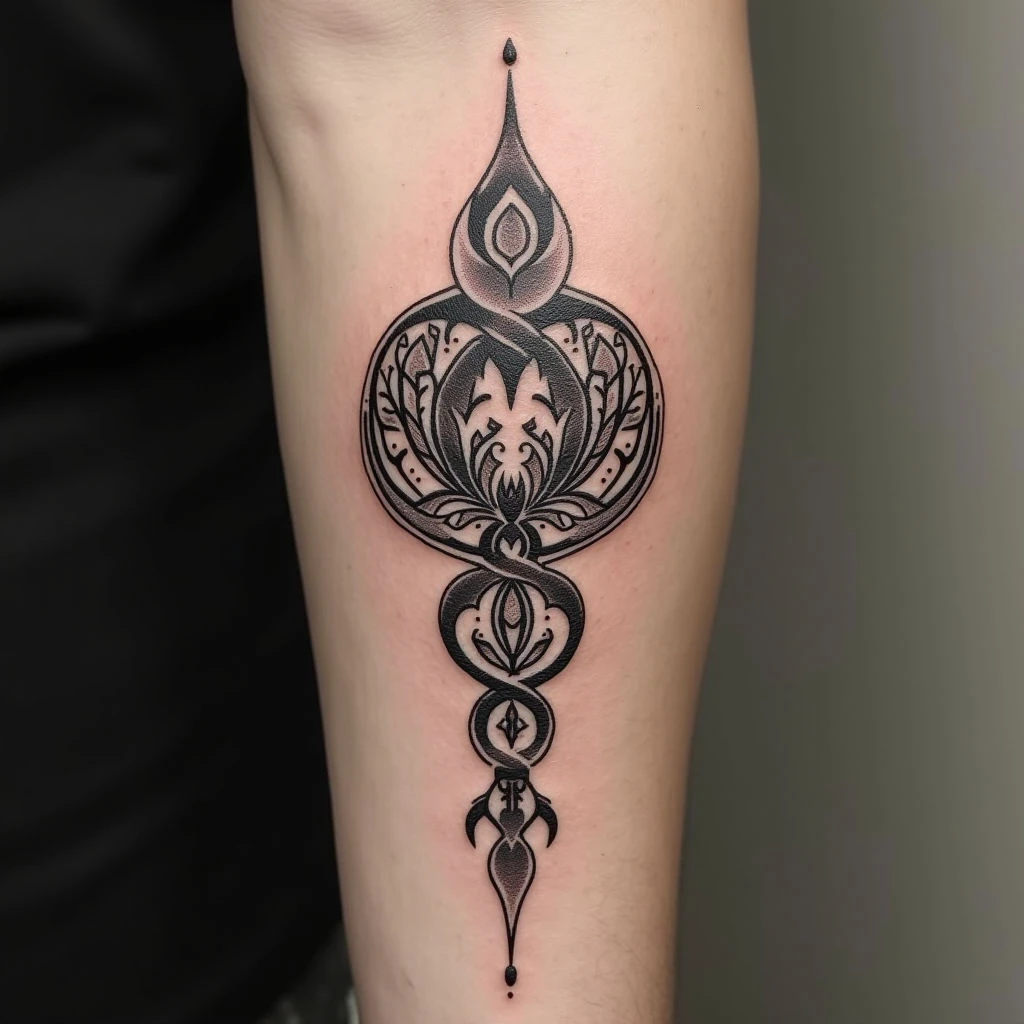
Considering a spiritual tattoo? It's more than just an image; it’s about connection, meaning, and showing deep respect for culture. Many people want their beliefs reflected in body art—but cultural appropriation is a real issue.
Understanding Cultural Significance
Symbols within Native American cultures (like those of the Lakota, Navajo, and Cherokee) carry profound meaning. For example, an eagle feather signifies courage and wisdom; a dreamcatcher represents protection and good dreams; the medicine wheel embodies interconnectedness and balance. These aren’t just decorations—they're sacred expressions of beliefs passed down through generations.
Avoiding Cultural Appropriation
It's vital to understand that these symbols aren’t free for anyone to use. Taking them without understanding their context, seeking permission from elders, or having a connection to the culture is deeply disrespectful and causes harm. If you find yourself drawn to a particular symbol, really dig into its origins.
Meaningful Alternatives & Safe Choices
Think about abstract designs inspired by nature—trees, rivers, mountains—that resonate with your personal spiritual journey. Geometric patterns that reflect balance or mandalas representing wholeness are often excellent choices. If you feel a strong connection to a specific culture’s beliefs, consider seeking guidance from someone within that community.
Respectful Representation
The most respectful way to honor Native American spirituality is through learning, listening, and supporting Indigenous artists who authentically share their traditions.