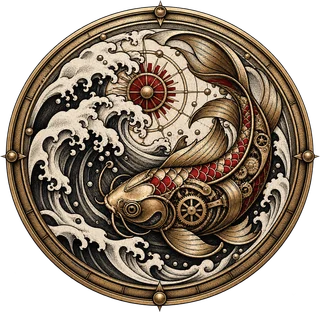
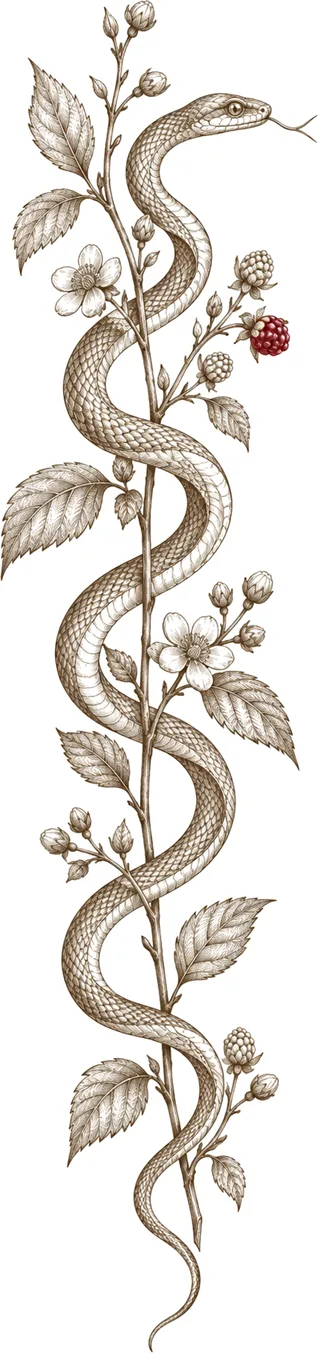
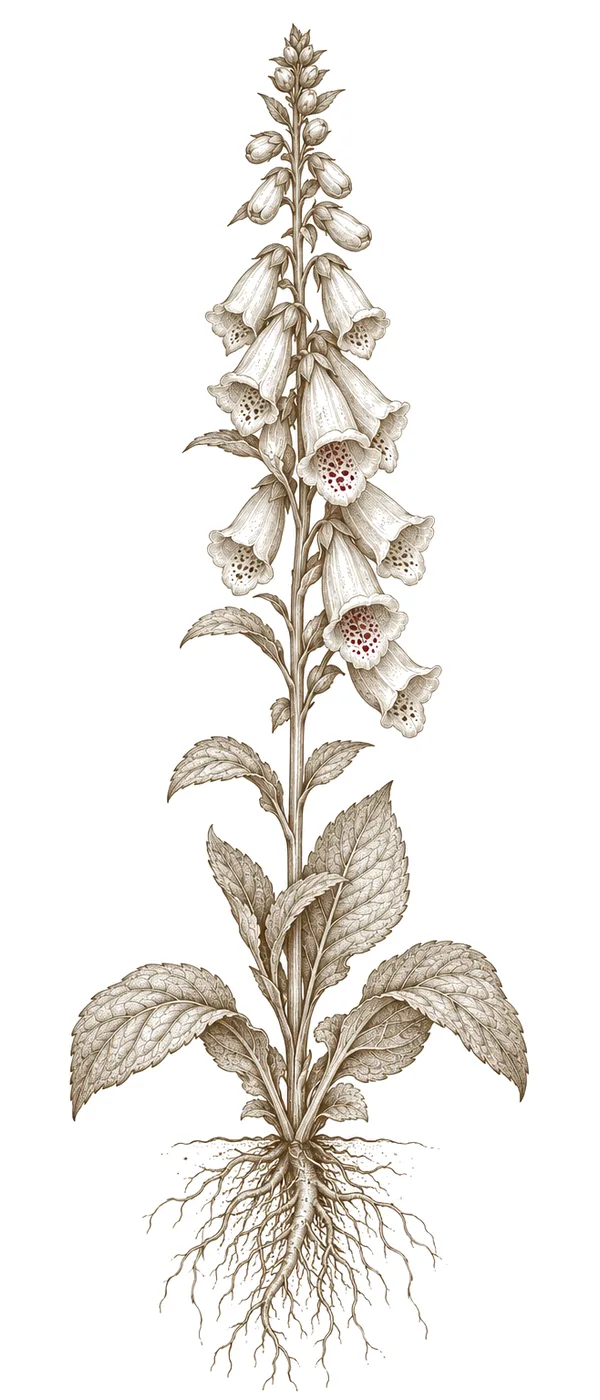
Irezumi, the art of Japanese tattooing, often feels deeply connected to spirituality. When a woman chooses a spiritual tattoo, it's more than just body art—it’s about marking a personal journey onto her skin.
Symbolism and Meaning
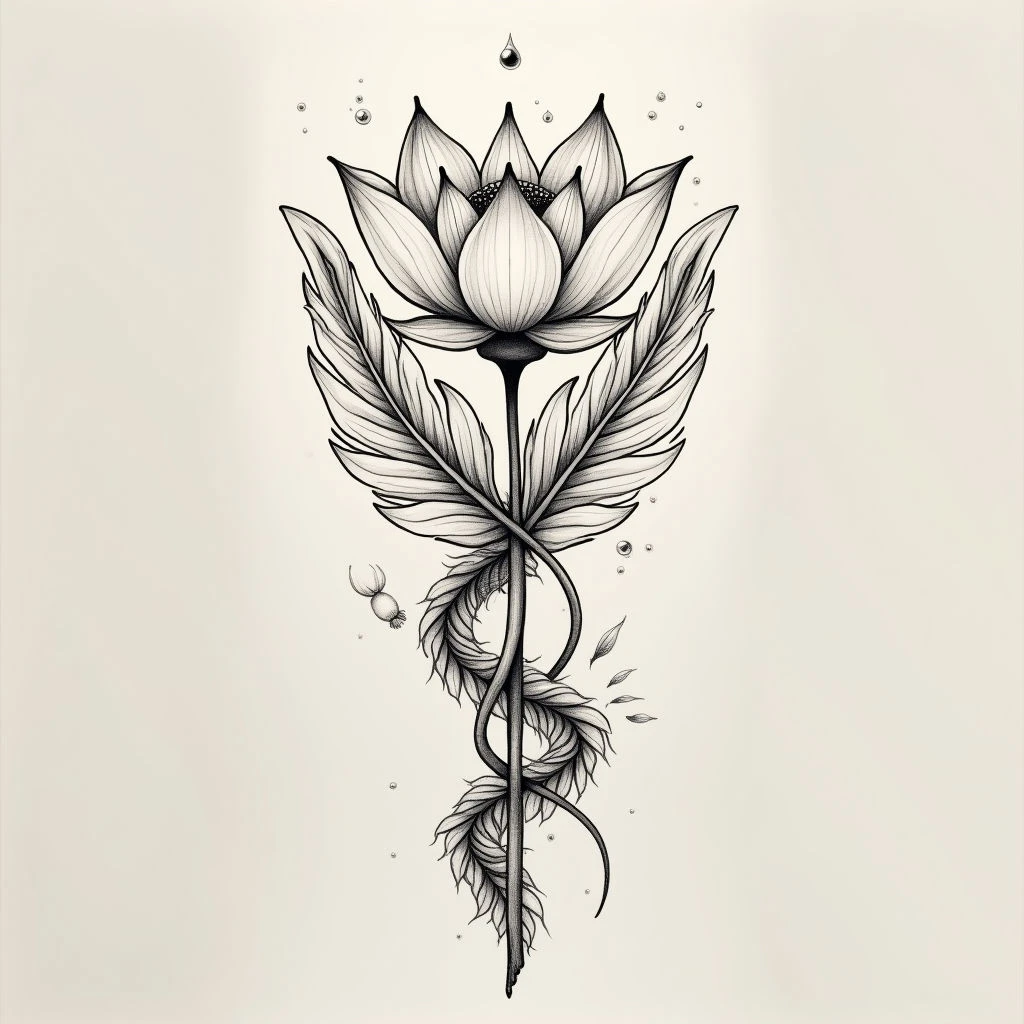
The symbols chosen for these tattoos carry significant meaning, reflecting beliefs, hopes, and a connection to something larger than oneself. Think of the lotus flower—it's not just beautiful; it represents purity, enlightenment, and rebirth. The way it blooms from murky waters is a powerful reminder of our own ability to overcome challenges.
Common Motifs
Feathers often symbolize freedom and divine guidance, while mandalas—those intricate circular designs—represent wholeness and the interconnectedness of everything. Each symbol is a deliberate choice.
The Artist's Role & Traditional Techniques
A skilled irezumi artist understands this deep connection and approaches the work with reverence. The placement of a spiritual tattoo isn’t random either—it might be near the heart to emphasize emotional resonance, or on an arm to signify strength and action.
Traditional techniques like tebori – hand-poked tattooing – add another layer of intention. It's a process that imbues the artwork with soul.
A Constant Reminder
For those seeking guidance, a spiritual tattoo can be a constant reminder of their values and beliefs—a source of comfort and inspiration during tough times. It's a visible expression of an inner journey.