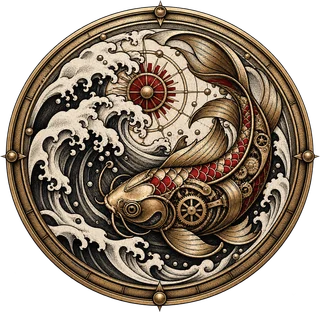
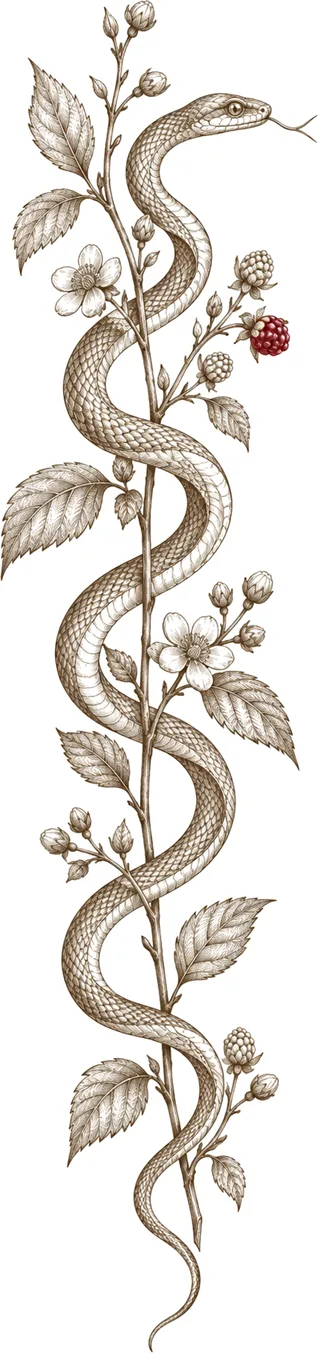
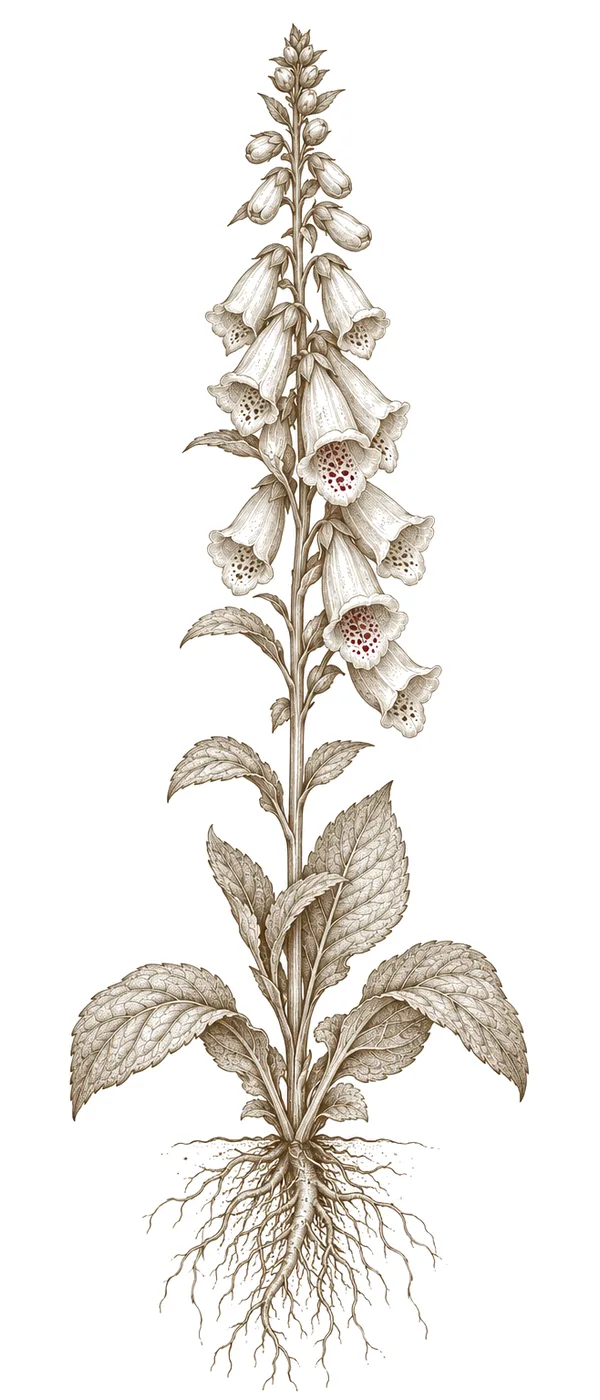

Tattoo symbolism is fascinating—it's about more than just ink on skin. Throughout history, cultures have assigned deep meaning to symbols, using them as powerful expressions of identity and belief. Let’s explore some common tattoo symbols, looking at their historical roots and why they continue to resonate.
Ancient Roots & Cultural Significance
Many popular tattoo designs have a long history. Take the anchor, for example—a classic in nautical tattoos, it represented safety and stability for sailors facing rough seas. Celtic knots, with their intricate patterns, symbolize eternity and spiritual journeys within Celtic tradition. The lotus flower, deeply revered in Eastern cultures like Buddhism, embodies purity, enlightenment, and rebirth.
Think about illuminated manuscripts—the imagery often held allegorical meaning. An animal might represent a virtue or vice, while a personage could stand for a historical figure or abstract concept. Heraldry also provided a standardized visual language to express personal identity through arms, crests, and mantles. These symbols weren't just decoration; they communicated status, lineage, and values.
Personal & Emotional Resonance
Beyond their historical context, tattoo symbolism holds deeply personal meaning for many. People often choose symbols to represent significant experiences or aspirations. A phoenix rising from ashes can signify resilience and overcoming challenges—a powerful image. A compass might symbolize guidance and a sense of purpose.