Tattoos aren't just about the ink; they’re visual stories, rich with personal and cultural meaning. Understanding these symbols can deepen your appreciation for tattoo art—and help you find a design that truly connects to your own story.
Popular Tattoo Symbols: What They Represent
Let's explore some common tattoo symbols and their typical meanings. Keep in mind that personal interpretations can always add another layer of significance.
-
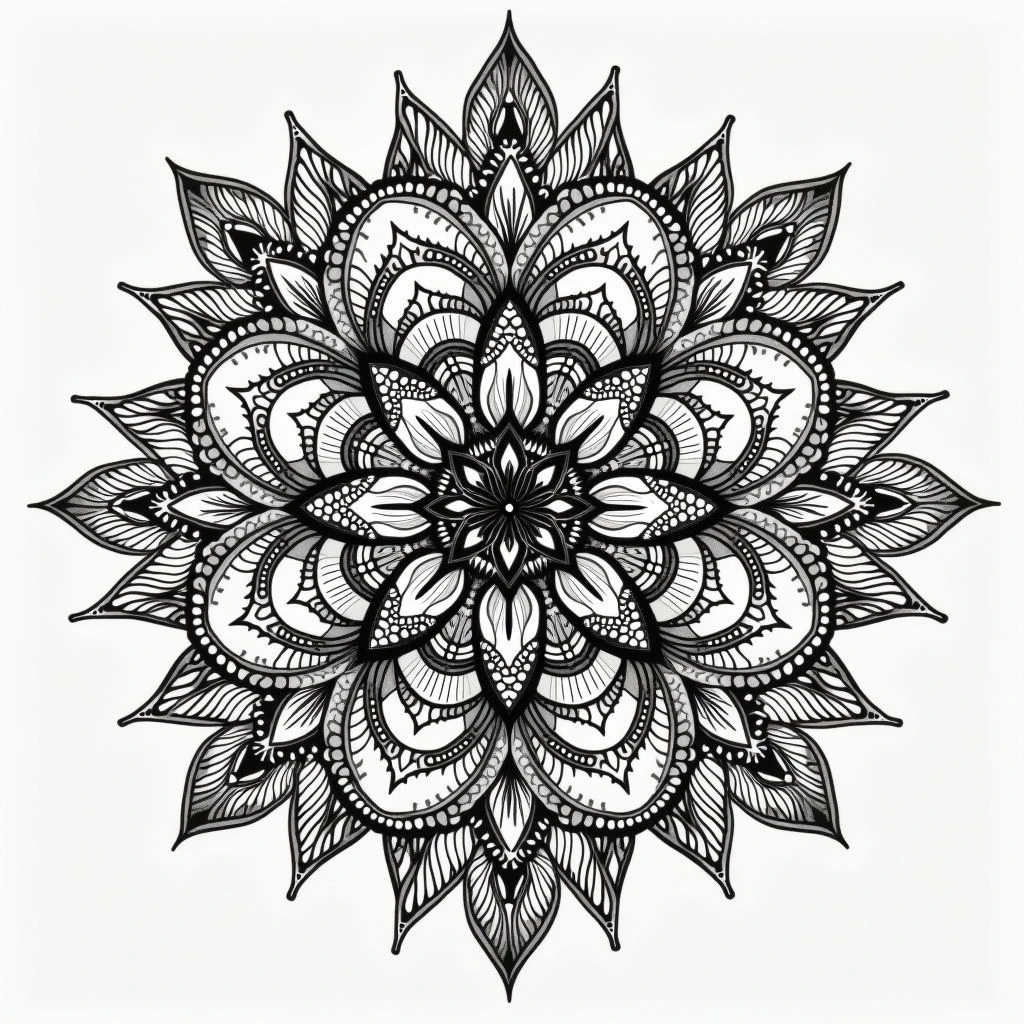
Mandala
Represents wholeness, cosmic order, and a spiritual journey. You'll often see mandalas linked to Buddhist and Hindu traditions. -
Geometric Patterns (Fractals)
These intricate designs symbolize interconnectedness, mathematical precision, and the seemingly infinite nature of existence. -
Dotwork
A meditative technique producing detailed patterns. Dotwork often represents growth, spirituality, and a focus on the finer details. -
Anchor
An anchor signifies stability, hope, and connection to loved ones. Historically, it held particular meaning for sailors. -
Rose
A classic symbol of love, beauty, and passion. The color you choose can further refine the meaning—red often represents romantic love, while white signifies purity. -
Wolf
Wolves embody loyalty, family values, and a protective nature. They’re powerful symbols with deep resonance.
Cultural Context Matters
Tattoo symbolism isn't universal; it varies significantly across cultures. Before getting a tattoo, taking the time to research its origins is essential—it’s about honoring traditions respectfully.
The Power of Personal Meaning
Ultimately, the most meaningful tattoos are those connected to personal experiences. A symbol can represent a pivotal moment, a cherished relationship, or a deeply held belief—making it uniquely yours.