Home > Categories > tattoo symbolism meanings > Symbols & Meanings: Tattoo Inspiration for Men

Discover the rich symbolism and cultural significance behind popular tattoo designs for men. Explore Polynesian art, tribal patterns, and their deep meanings.

Tattoo Symbolism for Men: A Guide to Meaningful Designs

Tattoos have always held deep meaning, evolving from ancient tribal markings to today’s interpretations. If you're a man looking beyond just the visual appeal, understanding the symbolism behind these designs can create a powerful connection to history and your own personal story.

Exploring Cultural Roots

Tattoo symbolism is incredibly diverse, drawing from Polynesian, Maori, Samoan cultures—and many more. Each symbol carries its own unique weight, often representing ancestry, strength, spirituality, or protection.

Polynesian & Maori Designs: Ancestry and the Ocean's Power

These intricate patterns are packed with meaning. They often depict ancestors, showcase incredible navigation skills passed down through generations, and reinforce familial bonds.

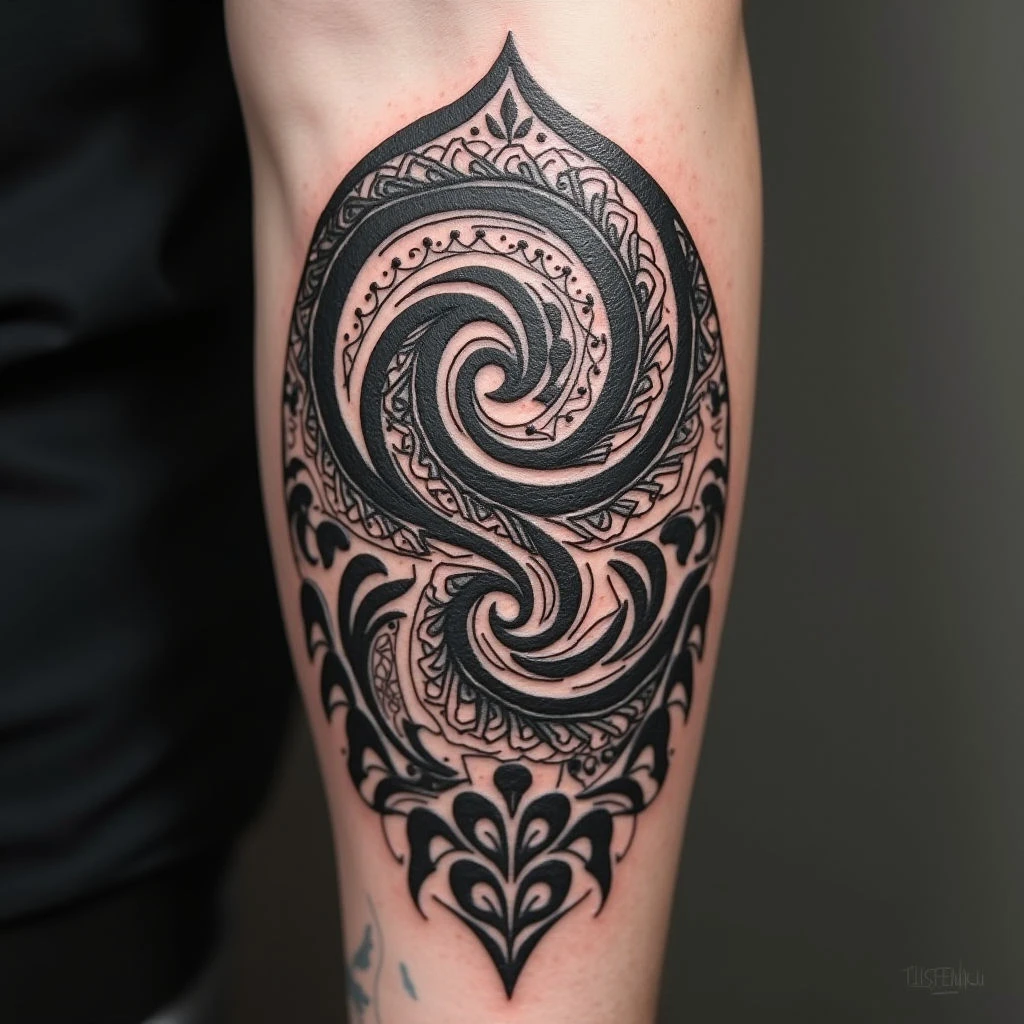
For example, the spiral – known as a koru – represents new life and growth. A shark design is a classic symbol of strength and power, while waves embody a connection to the ocean’s mana—its spiritual essence.

Tribal Motifs: Courage and Belonging

Bold blackwork tattoos, inspired by indigenous cultures worldwide, often convey themes of courage, resilience, and a deep sense of tribal belonging.

Ocean Imagery: Journeys and Respect for Nature

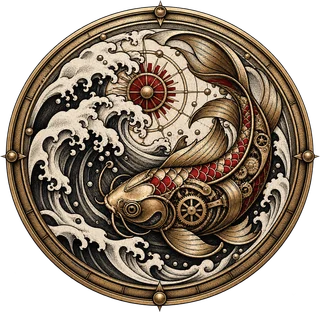
Waves, fish (especially tuna—known for their strength and agility), and sea turtles are potent symbols. They represent journeys undertaken, the ability to adapt to change, and a profound respect for nature’s power.

Choosing with Intention

When you select a tattoo design based on its symbolic meaning, it's crucial to do your research. Really dig into the origins of the symbol.

Ideally, connect with cultural practitioners—if possible—to ensure respectful and accurate representation. It’s about honoring traditions, not appropriating them.

Symbols & Meanings: Tattoo Inspiration for Men

Home > Categories > tattoo symbolism meanings > Symbols & Meanings: Tattoo Inspiration for Men

Discover the rich symbolism and cultural significance behind popular tattoo designs for men. Explore Polynesian art, tribal patterns, and their deep meanings.

Tattoo Symbolism for Men: A Guide to Meaningful Designs

Tattoos have always held deep meaning, evolving from ancient tribal markings to today’s interpretations. If you're a man looking beyond just the visual appeal, understanding the symbolism behind these designs can create a powerful connection to history and your own personal story.

Exploring Cultural Roots

Tattoo symbolism is incredibly diverse, drawing from Polynesian, Maori, Samoan cultures—and many more. Each symbol carries its own unique weight, often representing ancestry, strength, spirituality, or protection.

Polynesian & Maori Designs: Ancestry and the Ocean's Power

These intricate patterns are packed with meaning. They often depict ancestors, showcase incredible navigation skills passed down through generations, and reinforce familial bonds.

For example, the spiral – known as a koru – represents new life and growth. A shark design is a classic symbol of strength and power, while waves embody a connection to the ocean’s mana—its spiritual essence.

Tribal Motifs: Courage and Belonging

Bold blackwork tattoos, inspired by indigenous cultures worldwide, often convey themes of courage, resilience, and a deep sense of tribal belonging.

Ocean Imagery: Journeys and Respect for Nature

Waves, fish (especially tuna—known for their strength and agility), and sea turtles are potent symbols. They represent journeys undertaken, the ability to adapt to change, and a profound respect for nature’s power.

Choosing with Intention

When you select a tattoo design based on its symbolic meaning, it's crucial to do your research. Really dig into the origins of the symbol.

Ideally, connect with cultural practitioners—if possible—to ensure respectful and accurate representation. It’s about honoring traditions, not appropriating them.