
Covering up a tattoo can be an exciting chance to create something beautiful and meaningful. Especially for women looking for a fresh start or their tastes have changed, the possibilities really open up.
Design Inspiration
Let's explore some design ideas that work well for cover-ups. It’s about more than just hiding the old; it’s about creating something you love.
Floral Overlays
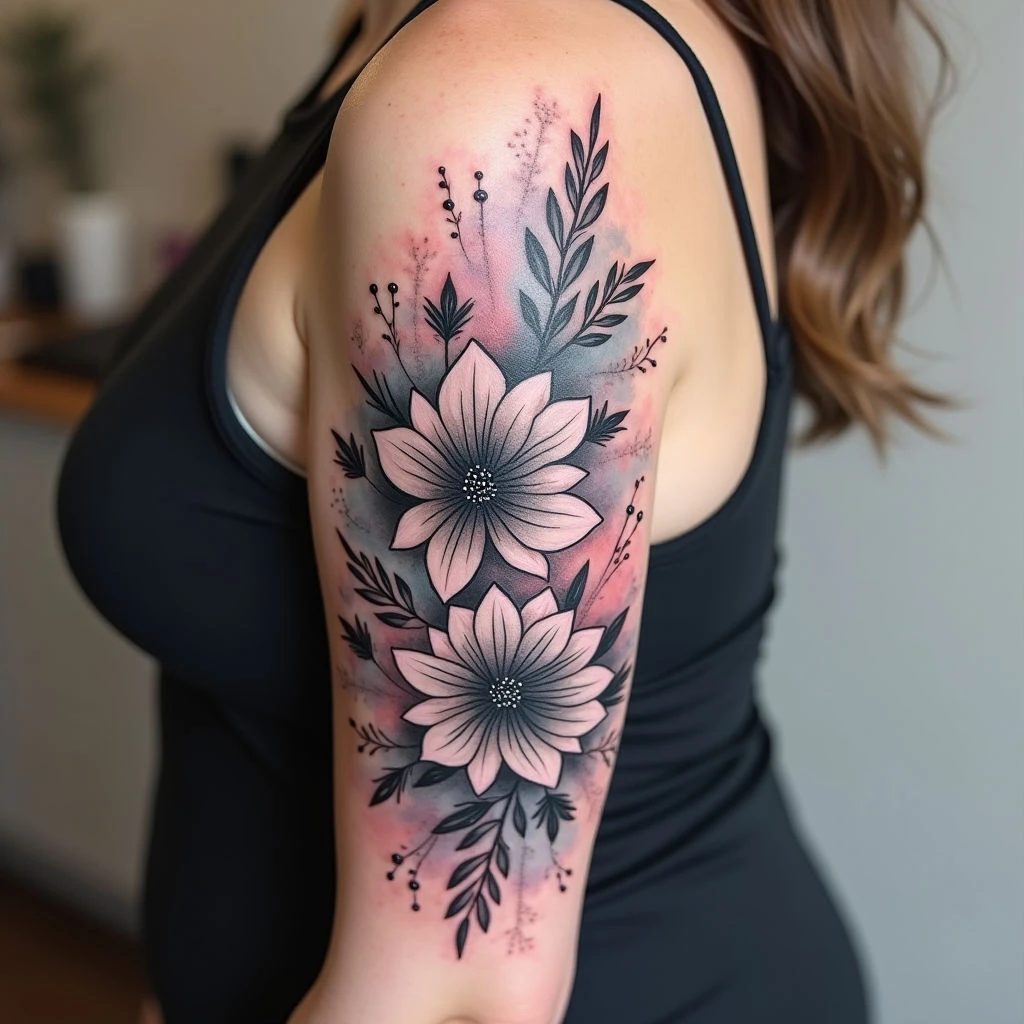
Delicate blooms are a classic choice, softening existing lines and adding a feminine touch. Think roses, peonies—cherry blossoms always look lovely too.
Watercolor Washes
A watercolor style can beautifully blend the old tattoo imagery into your new design. The result is often dreamy and artistic – really softens everything.
Geometric Patterns
Bold geometric shapes offer great coverage and a modern edge. They're surprisingly versatile, too.
Nature Scenes
Landscapes, forests, or even celestial motifs provide a large canvas for your cover-up. These designs often incorporate natural elements that flow seamlessly with the existing tattoo.
Mandala Designs
Intricate mandala patterns can completely transform a tattoo’s look—the symmetry and detail are stunning.
Techniques & Considerations
A successful cover-up requires more than just a great design. Here's what to keep in mind.
Artist Consultation is Key
An experienced artist will carefully assess your existing tattoo—its size, color saturation, and placement—to figure out the best approach. They’ll also discuss design options with you and manage expectations upfront.
Size Matters
Cover-ups often need more space than the original tattoo. Be prepared for potential size adjustments; it's a common part of the process.
Color Correction
Choosing the right color palette is crucial to neutralize or mask existing colors. Generally, darker inks work best for covering lighter ones—something your artist will guide you on.
Placement is Important
Strategic placement can minimize visibility and really improve the overall look of the cover-up.
Finding Your Artist
Take your time to research artists who specialize in cover-ups. Review their portfolios carefully—you want someone with a strong understanding of color theory and design techniques.