
Handwritten script isn't just about the words themselves; it’s a visual art form. When that artistry finds its way onto skin as a tattoo, it carries even more weight.
Traditional Styles: Echoes of the Past
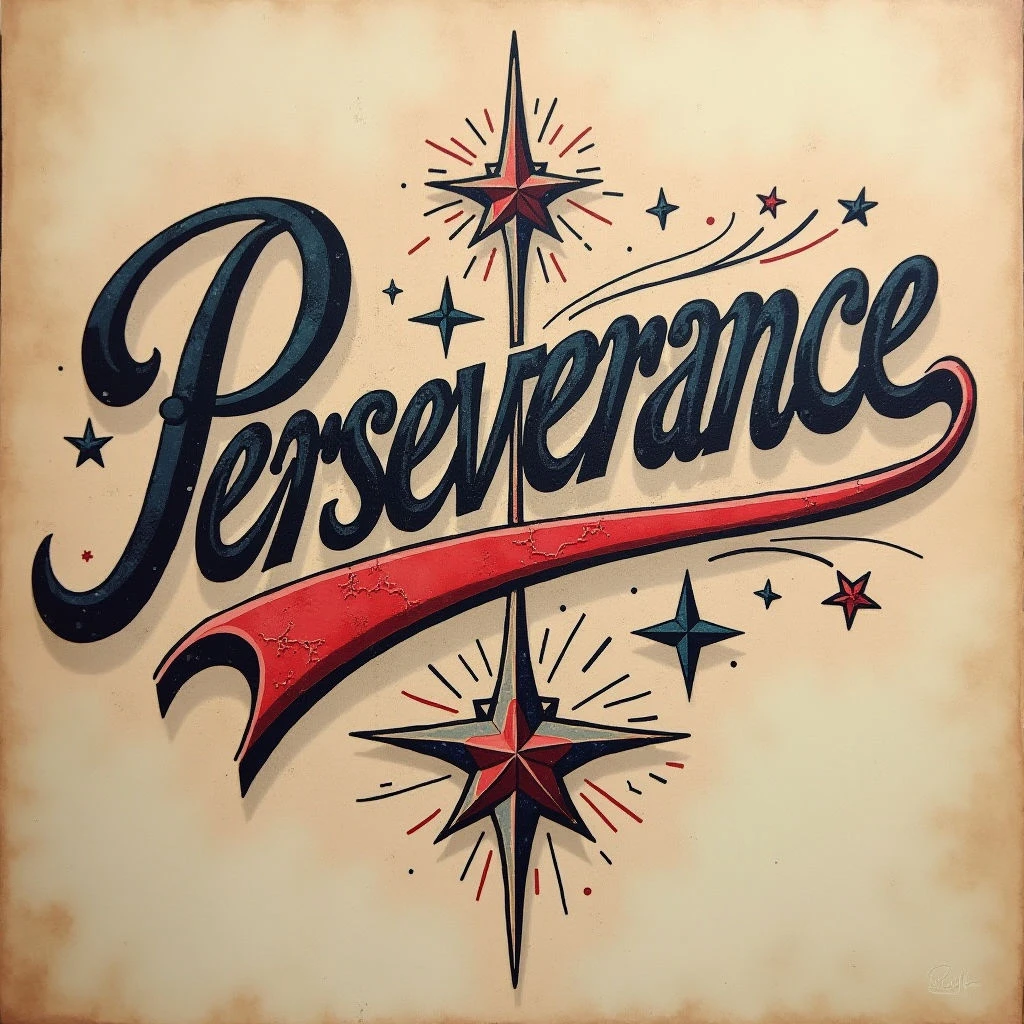
Early 20th-century signage and advertising heavily influenced traditional tattoo handwriting. You’ll often see bold, simple fonts—think block lettering or classic script.
These styles prioritize clarity and permanence; they really reflect the values of that era. Sailor Jerry's flash sheets are a great example – those designs have an undeniable authenticity and timeless feel.
Neo-Traditional: A Modern Touch
As tattooing evolved, so did handwriting styles. Neo-traditional tattoos often add flourishes and delicate details you won't find in the older designs.
Ornate serifs, subtle shading, a wider range of font weights—these all contribute to a more personalized look. It’s about finding something that feels uniquely yours.
Meaning and Expression
The variations in style often reflect the wearer's individual story. What do you want your tattoo to say?
A classic script might symbolize heritage or enduring love—something deeply personal. A neo-traditional style, on the other hand, could represent creativity and individuality; a statement of who you are.
Every stroke, every curve tells a tale. It’s an invitation to weave your narrative onto your skin with intention and grace.