
The ring finger carries a powerful symbolism—often linked to commitment and connection. If you’re considering a meaningful tattoo for this digit, approaching the design with cultural sensitivity is essential. Let's explore ideas that honor tradition and artistry while avoiding appropriation.
Understanding Cultural Significance
Many cultures use ring finger tattoos for spiritual or ceremonial purposes. Symbols like eagle feathers, dreamcatchers, and medicine wheels hold deep meaning within Native American traditions; they aren't just decorative elements—they are sacred.
Tribal-Inspired Designs (with Respect)
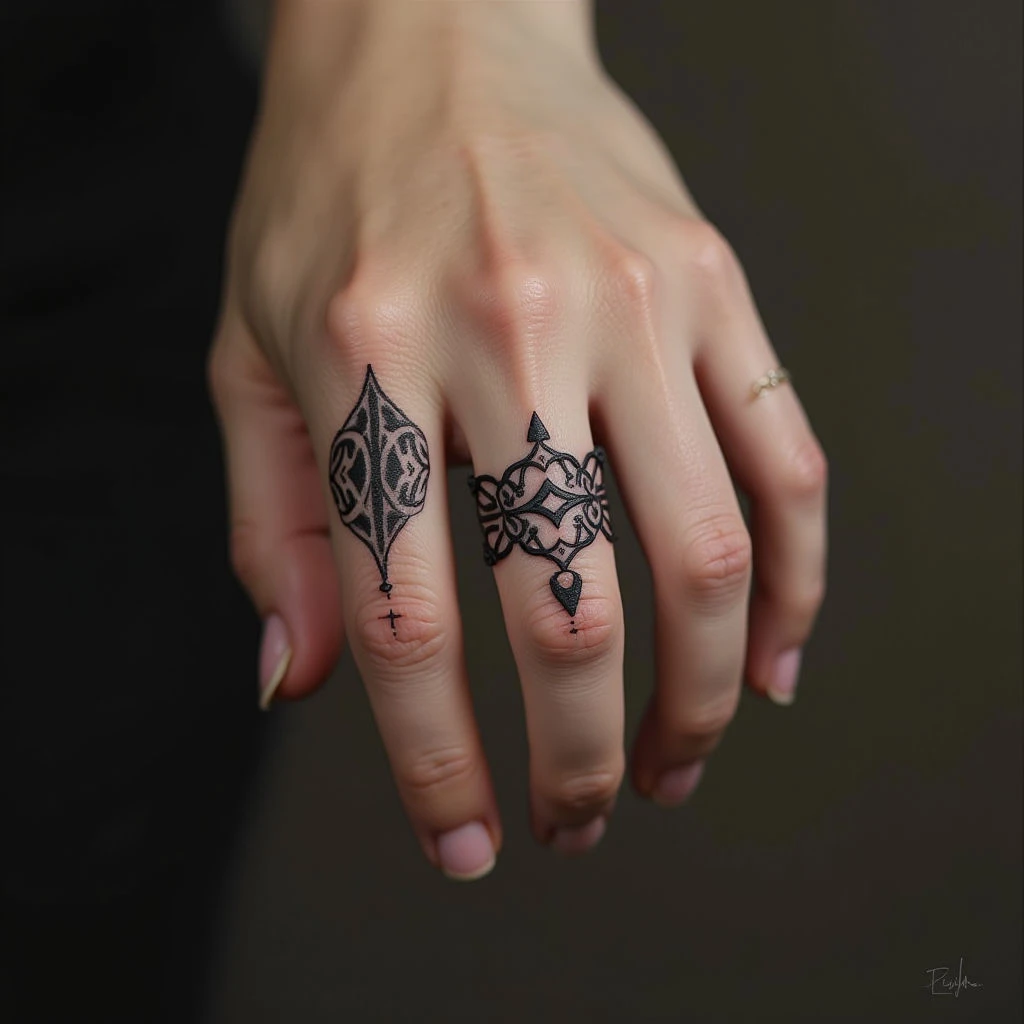
If you’re drawn to tribal patterns, thorough research is key. Find artists specializing in authentic Native American tattoo traditions and collaborate with them to ensure your design honors the culture it draws from. Geometric designs inspired by Indigenous art can be beautiful when handled respectfully—always acknowledging their origins.
Symbolic Imagery
Consider symbols that reflect your personal values or relationships. Perhaps a small floral motif representing growth, a simple line symbolizing strength, or an animal spirit guide chosen after careful research. The goal is to select imagery that genuinely resonates with you—not borrowed carelessly.
Traditional & Old School Influence
Classic tattoo styles offer timeless designs adaptable for the ring finger. Small roses, anchors, or swallows carry traditional symbolism and sidestep cultural appropriation concerns.
The Importance of Artist Selection
Choosing the right artist is vital. Look for someone who understands cultural sensitivity and is willing to collaborate on a respectful design. Consider seeking out Native American artists specializing in traditional techniques for authentic tribal-inspired work.
Avoiding Appropriation
Recognize that certain designs—like dreamcatchers or medicine wheels—are deeply sacred within specific cultures. Avoid adopting these symbols without understanding and permission. Instead, focus on creating a unique design rooted in your personal journey.