Tattoos have a rich history across cultures, and India is certainly part of that story. With modern tattooing becoming more common, it's really important to understand the traditional meanings behind Hindu symbols if you’re considering body art. This guide breaks down some common motifs and what they represent.
Common Symbols & Their Meanings
Let's look at a few frequently seen symbols. Keep in mind that these are just starting points – deeper understanding requires more than a quick internet search.
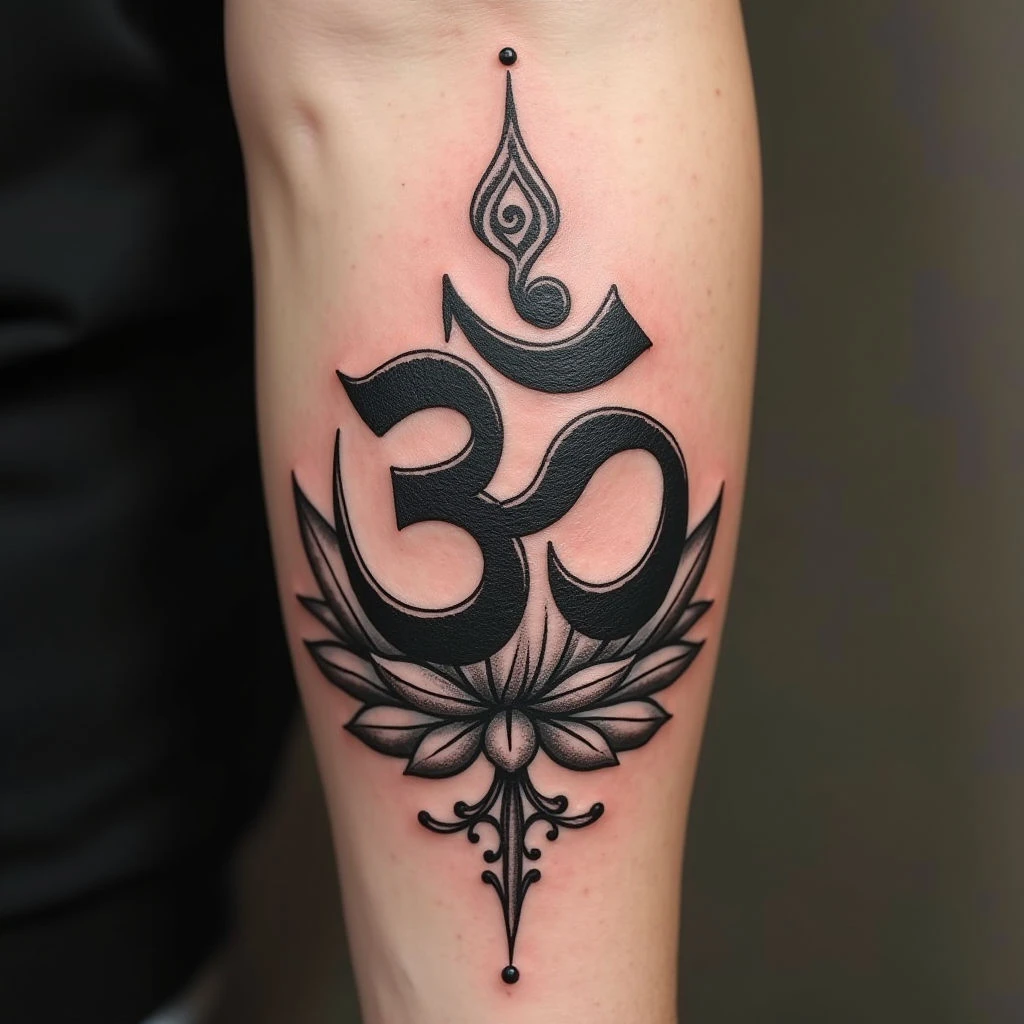
Om (ॐ)
This powerful symbol represents Brahman, the ultimate reality, and is considered the sound of creation itself. It's deeply spiritual—a core concept in Hinduism.
Deities: Ganesha, Lakshmi, Shiva & Others
Many people choose to get tattoos representing Hindu deities like Ganesha, Lakshmi, or Shiva. These represent different aspects of the faith and are often sought for their blessings. It’s vital to research each deity's specific meaning thoroughly before getting a tattoo.
Lotus Flower (Padma)
The lotus flower is a beautiful symbol, representing purity, enlightenment, and rebirth—a striking image of rising from muddy waters to bloom.
Mandala
Mandalas represent the universe and are frequently used for meditation and spiritual growth. They're intricate designs that invite contemplation.
Sacred Geometry
These geometric patterns hold symbolic meaning, often reflecting a sense of cosmic order—a visual representation of underlying principles.
Respectful Incorporation & Avoiding Appropriation
Getting a tattoo is a personal decision, but it's crucial to approach cultural symbols with respect. Here’s how to do that.
- Research Thoroughly: Don't just rely on quick online searches. Talk to people who know the culture and its traditions.
- Understand the Context: Be aware of the historical and religious significance before you commit.
- Avoid Misrepresentation: Don't alter or trivialize sacred symbols—treat them with reverence.
- Consider Alternatives: If you’re unsure, opt for a design that resonates personally without directly appropriating cultural imagery. It’s about finding meaning in your own way.