
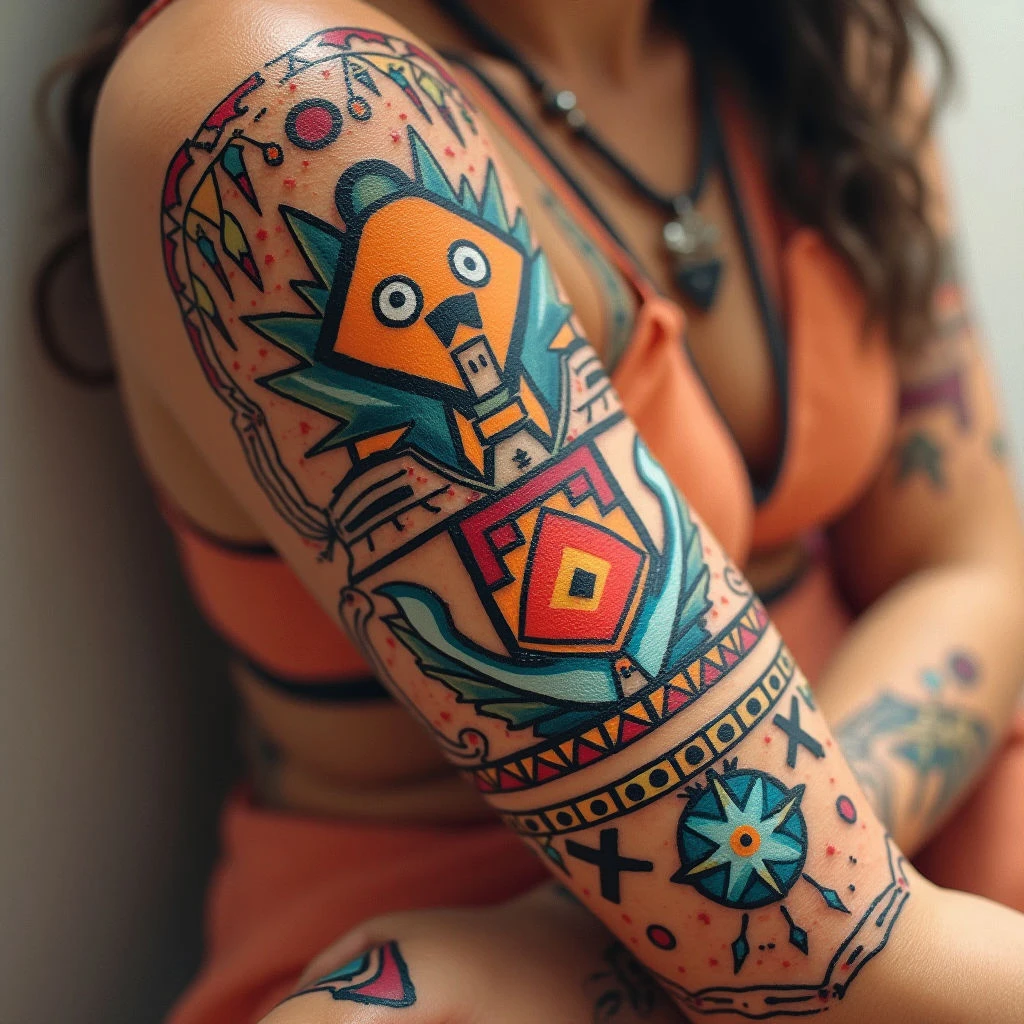
Across the globe, indigenous cultures have long used tattoos for far more than just decoration. They're powerful expressions of spirituality, identity, and history—a stark contrast to modern tattooing’s often purely aesthetic focus.
A History Etched in Skin
For many indigenous communities, the body is considered sacred. Tattooing became a way to connect with ancestors and the spirit world. The process wasn't just about marking skin; it was often overseen by respected practitioners who held important roles within their societies.
Common Symbolic Themes
While the specifics vary widely, certain themes consistently appear in indigenous tattoo traditions:
-
Lineage & Ancestry
Tattoos frequently served as visual records of family history, with patterns and symbols passed down through generations. -
Spiritual Protection
Many designs were believed to offer protection from harm or guide the wearer on spiritual journeys—a kind of wearable blessing. -
Rite of Passage
Tattooing often marked significant life transitions, like adulthood or warrior status. The process itself symbolized strength and resilience. -
Social Status & Identity
Elaborate tattoos often indicated rank, achievements, or clan affiliation within a community—a visible sign of belonging.
Examples from Around the World
Let's look at some specific examples:
-
Polynesian Tattoos (Tatau)
These intricate designs convey genealogy, social status, and personal history. Each mark carries a specific meaning known only to the wearer and their family. -
Japanese Irezumi
Historically linked to outcasts, Irezumi evolved into a complex art form featuring powerful imagery—dragons, koi fish, and cherry blossoms symbolizing strength and beauty. -
Maori Tā Moko (New Zealand)
These facial tattoos record an individual's genealogy, achievements, and social standing. The spirals and patterns hold deep personal significance. -
Amazonian Tribes
Various tribes utilize tattooing for spiritual practices, body modification, and expressing their connection to nature—each with unique traditions.
Ethical Considerations & Respectful Engagement
It's vital to approach indigenous tattoo practices with deep respect and cultural sensitivity. Taking designs without understanding or permission is harmful—it’s appropriation, plain and simple.
If you find yourself drawn to these styles, do your research thoroughly. Seek guidance from knowledgeable sources and consider supporting indigenous artists who authentically carry on their ancestral traditions. It's about honoring the culture, not just copying a design.