Home > Categories > tattoo process techniques > Designing a Tattoo Sleeve: A Guide to Composition, Style & Placement

Learn how to design the perfect tattoo sleeve. Explore styles, placement tips, and find inspiration for your unique arm art.

Designing a Full Sleeve Tattoo: A Comprehensive Guide

Creating a full sleeve tattoo is an ambitious undertaking—it demands careful planning and a clear artistic vision. It's more than just individual images; it’s about weaving together a complete story across your entire arm.

1. Defining Your Style

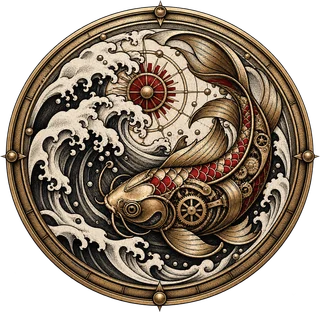
The style you choose sets the tone for the whole sleeve. Traditional sleeves often use bold lines and classic imagery, while realism sleeves showcase incredibly detailed portraits or landscapes. Minimalist designs rely on delicate lines and negative space—a subtle but powerful approach. Neo-traditional styles strike a balance between boldness and refined detail. Think about how your chosen style will look when applied to such a large area.

2. Composition and Flow: The Visual Journey

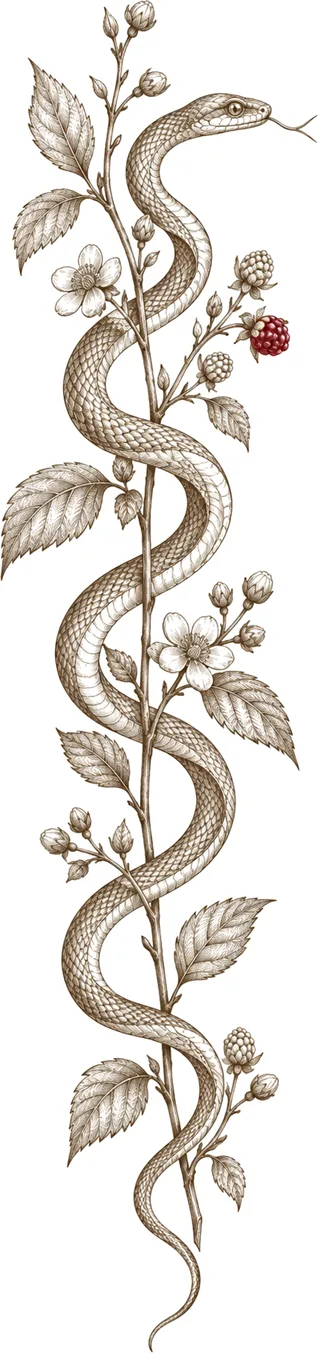
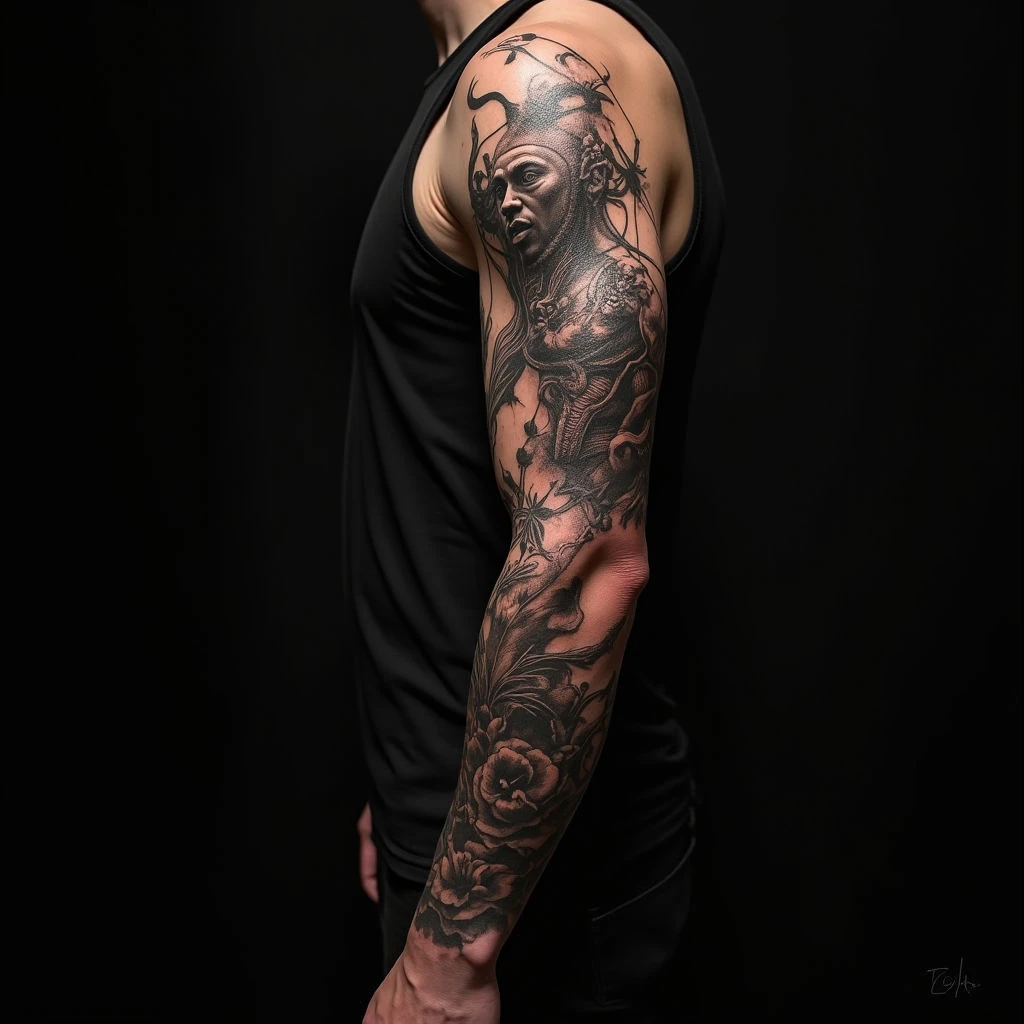
A sleeve isn't static; it wraps around your arm, creating a dynamic visual experience. Consider how elements transition smoothly from upper arm to forearm and back again. Achieving good flow is essential—guide the viewer’s eye with deliberate lines and shapes. Overlapping imagery can add depth and complexity.

3. Storytelling: What's Your Narrative?

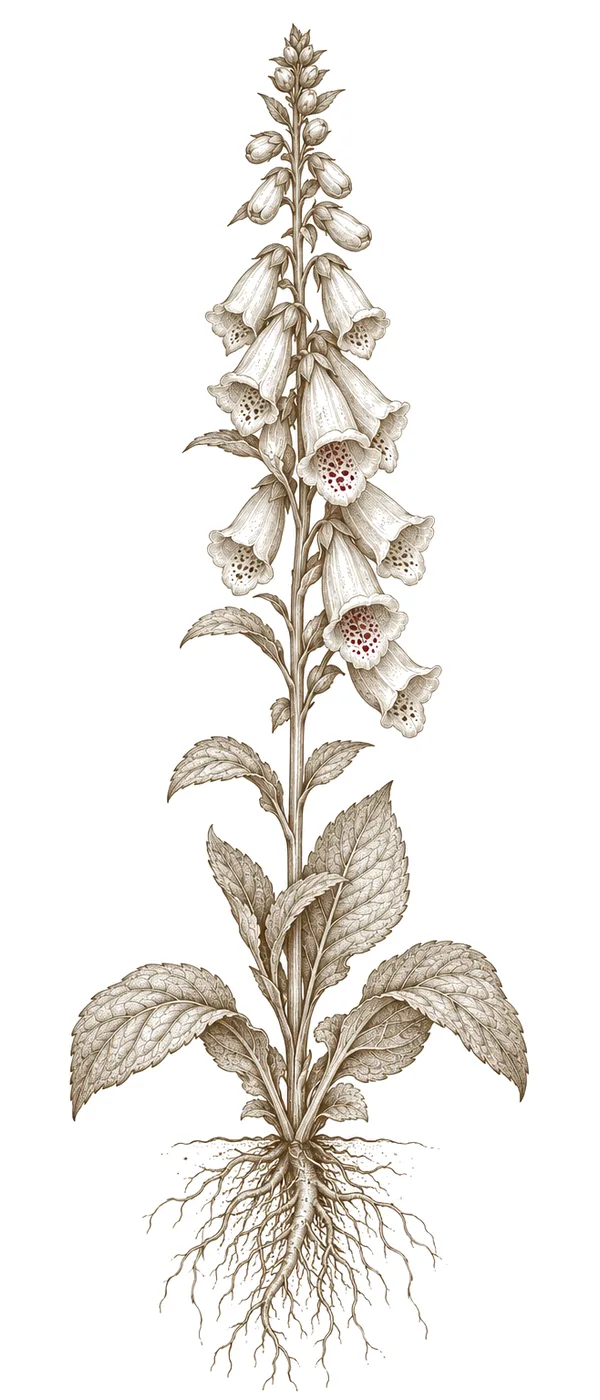
What story do you want your sleeve to tell? It could be a personal narrative, a tribute to people who matter, or an exploration of symbolic themes—anything that adds profound meaning.

4. Finding the Right Artist: Collaboration is Key

Finding a skilled artist is absolutely crucial for this project. Look for someone whose style aligns with your vision and who has experience creating large, complex tattoos. Don't hesitate to discuss your ideas in detail—a good artist will offer valuable insights on composition, placement, and whether the design is realistically achievable.

5. Anatomy & Placement: Working with Your Arm’s Shape

The anatomy of your arm—the muscle contours and bone structure—will influence how the sleeve looks. A truly skilled artist will take these factors into account during the design process, ensuring a balanced and visually appealing result.

Designing a Tattoo Sleeve: A Guide to Composition, Style & Placement

Home > Categories > tattoo process techniques > Designing a Tattoo Sleeve: A Guide to Composition, Style & Placement

Learn how to design the perfect tattoo sleeve. Explore styles, placement tips, and find inspiration for your unique arm art.

Designing a Full Sleeve Tattoo: A Comprehensive Guide

Creating a full sleeve tattoo is an ambitious undertaking—it demands careful planning and a clear artistic vision. It's more than just individual images; it’s about weaving together a complete story across your entire arm.

1. Defining Your Style

The style you choose sets the tone for the whole sleeve. Traditional sleeves often use bold lines and classic imagery, while realism sleeves showcase incredibly detailed portraits or landscapes. Minimalist designs rely on delicate lines and negative space—a subtle but powerful approach. Neo-traditional styles strike a balance between boldness and refined detail. Think about how your chosen style will look when applied to such a large area.

2. Composition and Flow: The Visual Journey

A sleeve isn't static; it wraps around your arm, creating a dynamic visual experience. Consider how elements transition smoothly from upper arm to forearm and back again. Achieving good flow is essential—guide the viewer’s eye with deliberate lines and shapes. Overlapping imagery can add depth and complexity.

3. Storytelling: What's Your Narrative?

What story do you want your sleeve to tell? It could be a personal narrative, a tribute to people who matter, or an exploration of symbolic themes—anything that adds profound meaning.

4. Finding the Right Artist: Collaboration is Key

Finding a skilled artist is absolutely crucial for this project. Look for someone whose style aligns with your vision and who has experience creating large, complex tattoos. Don't hesitate to discuss your ideas in detail—a good artist will offer valuable insights on composition, placement, and whether the design is realistically achievable.

5. Anatomy & Placement: Working with Your Arm’s Shape

The anatomy of your arm—the muscle contours and bone structure—will influence how the sleeve looks. A truly skilled artist will take these factors into account during the design process, ensuring a balanced and visually appealing result.