
Expressing yourself through tattoos is a long-standing tradition. But when you incorporate words or scripts, it’s vital to approach the process with deep respect—it's about honoring cultural heritage.
The Significance of Written Tattoos
Tattooing is a sacred act in many cultures. Words hold power, history, and meaning. Adopting writing styles from other cultures carries a profound responsibility; a careless design can be deeply offensive.
Understanding Tribal and Native American Scripts
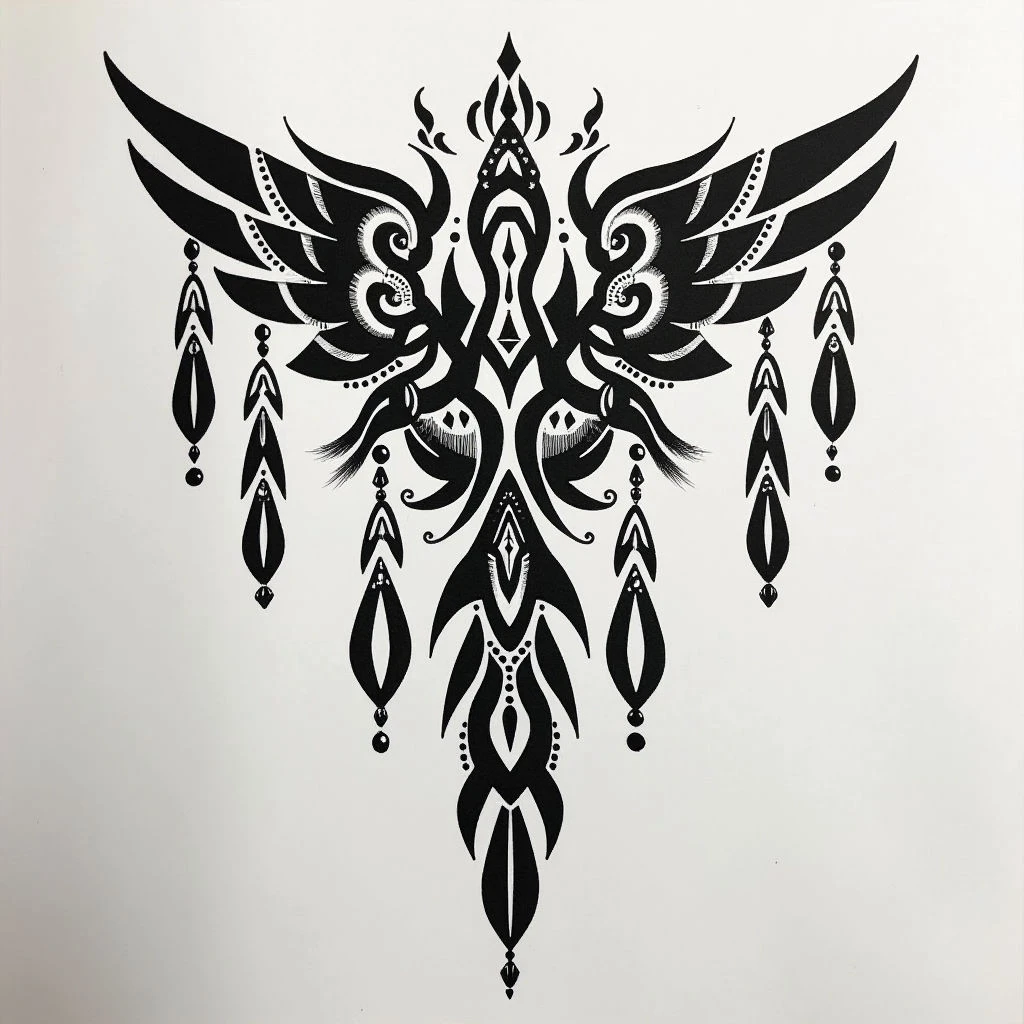
It’s common to see generic “tribal” patterns, but the reality is that each tribe has unique writing systems and designs—often carrying immense spiritual significance. Similarly, Native American languages and symbols hold deep cultural value. Imitating these without understanding or permission is a form of cultural appropriation.
Respectful Approaches to Tattoo Writing
-
Research & Consultation
If a particular script appeals to you, take the time to research its origins and meaning. Talk to people who understand it—ideally, an artist from that community. -
Personal Connection
Consider using words or phrases in your own language that are meaningful to you. This allows for self-expression without appropriating another culture’s heritage. -
Honoring Ancestors
If you have ancestral ties to a culture with its own script, seek guidance from elders and traditional knowledge keepers.
Examples of Meaningful Tattoo Writing (with utmost respect)
-
Lakota Oglala Script
For those with Lakota ancestry, certain symbols can represent strength or a connection to the land. Consult a Lakota elder or respected artist for guidance. -
Ancient Celtic Knotwork
While visually appealing, remember that Celtic knotwork often represents interconnectedness and spiritual journeys within Celtic culture.
A Call for Responsible Expression
Let your tattoo be a symbol of respect, understanding, and appreciation—not appropriation. Prioritize cultural sensitivity and education every step of the way.