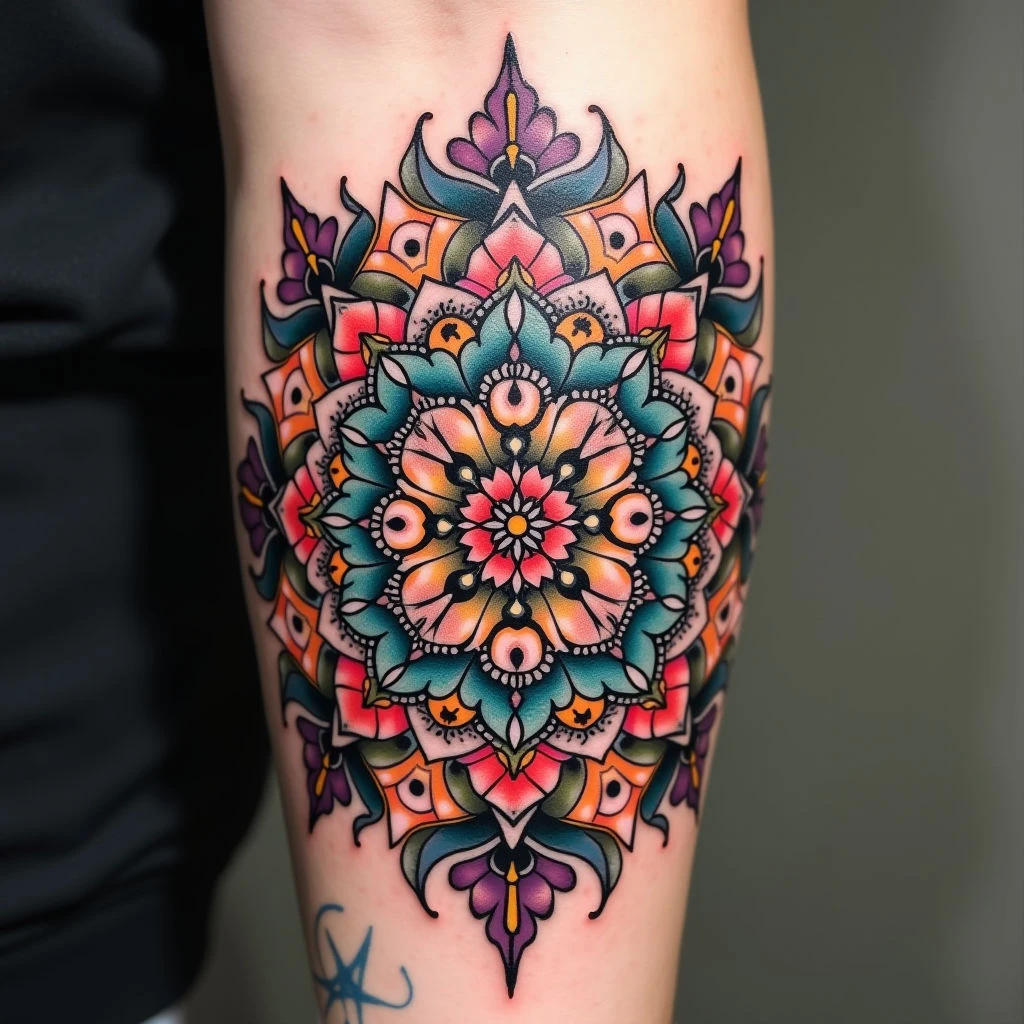
Tibetan tattoos are far more than mere body art—they're powerful visual expressions of deep spiritual beliefs and cultural identity. Throughout history, Tibetan people have used these markings for protection, blessings, and as outward signs of devotion to Buddhism.
A Tradition Reserved for the Devoted
Unlike Western tattooing traditions, traditional Tibetan practices were often reserved for monks, healers (known as Amchis), or those seeking profound spiritual transformation. It’s a practice steeped in reverence.
Understanding Common Symbols
Let's explore some of the most recognizable symbols and what they represent:
Mani Mantra (Om Mani Padme Hum)
Perhaps the most iconic symbol, this mantra embodies compassion and enlightenment. It’s believed to purify negative karma and bring blessings—a truly powerful invocation.
Buddhas & Deities
You'll often see depictions of Buddha figures like Shakyamuni or deities such as Tara. These represent different facets of wisdom, compassion, and protection; each offering a unique form of guidance.
Eight Auspicious Symbols (Ashtamangala)
These eight symbols—the parasol, golden fish, treasure vase, lotus flower, conch shell, endless knot, victory banner, and dharma wheel—are interwoven to symbolize the universe’s interconnectedness. They represent good fortune and a sense of harmony.
Tibetan Script
Intricate designs incorporating Tibetan script are common; these often contain prayers or mantras intended for protection or guidance. The artistry itself is a form of devotion.
Snow Lion
The snow lion is a potent symbol in Tibetan culture, representing courage, strength, and joy—a reminder to face challenges with fearlessness and spiritual power.
Respectful Consideration
It's vital to approach Tibetan tattoo art with deep respect and understanding. If you’re considering a design, take the time to research its meaning thoroughly—ideally, consult with someone knowledgeable about Tibetan Buddhism.