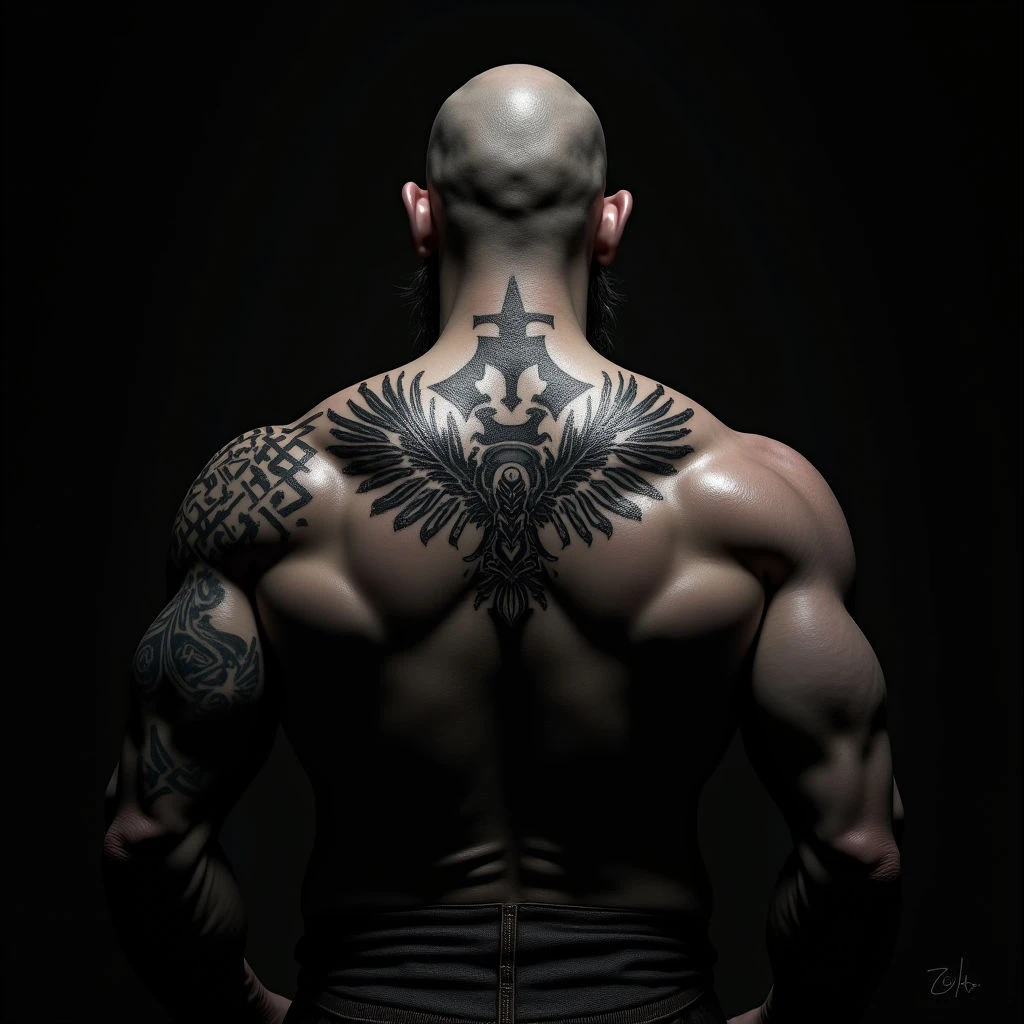
The enduring appeal of Viking culture—their strength, resilience, and deep connection to nature—is undeniable. A Viking warrior tattoo isn't just body art; it’s a declaration of courage, honor, and respect for Norse traditions. But what do these symbols really represent?
Understanding Key Symbols
Let's explore some of the most powerful icons commonly featured in Viking warrior tattoos.
Runes (Elder Futhark)
Each rune carries significant meaning. For example, Fehu signifies prosperity, while Tyr embodies justice and courage—essential qualities for any Viking warrior. If you're considering a runic tattoo, it’s wise to consult with an artist who truly understands their symbolism.
Valknut
This striking nine-knot symbol is often linked to Odin, the Allfather. It’s believed to represent destiny or the connection between life and death—a potent emblem of strength and fate.
Mjölnir (Thor’s Hammer)
Representing protection, strength, and divine power, Mjölnir is an iconic Viking symbol. The placement of this hammer can signify a warrior's commitment to defending their loved ones and upholding justice.
Viking Ships
Symbolizing journeys, exploration, and the afterlife, Viking ships represent both physical voyages across the seas and spiritual quests beyond.
Animals (Wolves, Ravens, Bears)
Wolves embody loyalty and ferocity. Ravens were Odin’s companions, signifying prophecy and wisdom. And bears? They represent raw strength and courage.
Placement & Style
Think carefully about the symbolism when choosing where to place your tattoo. A Mjölnir on the bicep, for instance, visually conveys strength, while runes along the spine can represent a personal journey or destiny.