The imagery of war has long fascinated us, sparking countless artistic creations. War tattoos—depictions of battles or symbols of martial virtues—carry deep meaning, often representing courage, strength, honor, and remembrance.
A History Etched in Skin
Throughout history, war tattoos have been intertwined with the traditions of ancient cultures and warrior societies. Think about it: Celtic warriors used intricate knotwork to symbolize protection during battle, while Roman soldiers marked their bodies with symbols of their legion and personal achievements.
Medieval Symbolism
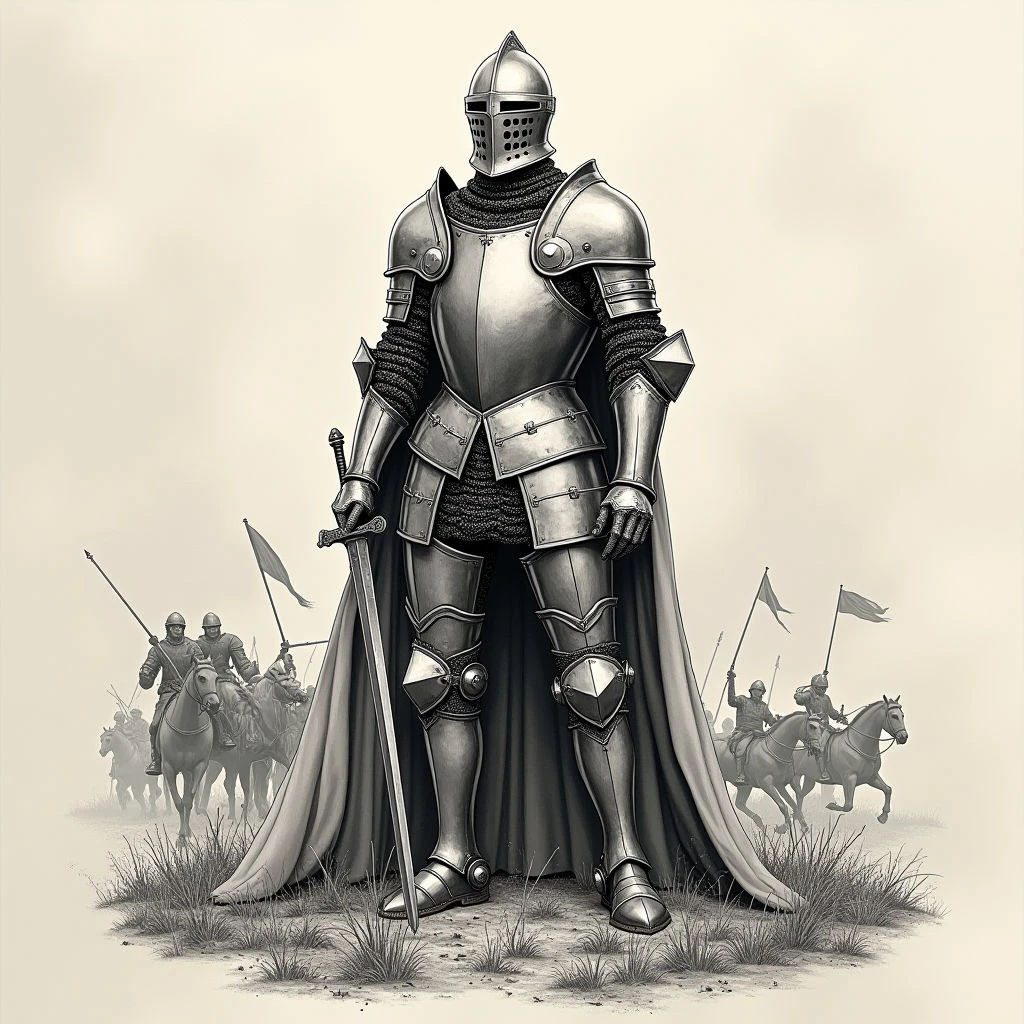
During the medieval period, knights often displayed family crests and religious imagery—a way to seek divine favor and show their loyalty. You'd see shining armor, heraldic crests representing noble lineage, and powerful creatures like griffins or lions embodying valor.
Designing Your War Tattoo
If you're considering a war tattoo, the historical context and symbolism are key. A knight’s helm can represent protection and resilience—a powerful image. A sword often signifies justice and strength. And a battlefield scene? That could be a deeply personal way to commemorate sacrifice.
It's crucial to work with an artist who understands heraldry and historical accuracy. Authenticity and respect for cultural heritage matter—a poorly executed tattoo can miss the mark entirely.
More Than Just Ink
Ultimately, a well-designed war tattoo is more than just an image; it's a testament to the enduring human spirit—a reflection of courage, perseverance, and remembrance. It’s about honoring those who served.