The ocean's power is undeniable—that’s why wave tattoos remain so consistently popular. But beyond just looking good, what does a wave tattoo really mean? Let's explore the symbolism, origins, and design ideas behind this enduring choice.
Ancient Symbolism: Resilience in Motion
Waves embody resilience. Their constant movement mirrors the challenges we face in life, symbolizing overcoming adversity, strength, adaptability, and the relentless march of time. It's fascinating how many cultures connect waves to spiritual journeys—a sense of reaching for something bigger than yourself.
Japanese Roots: The Kihadaiko
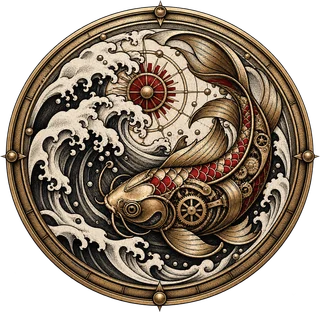
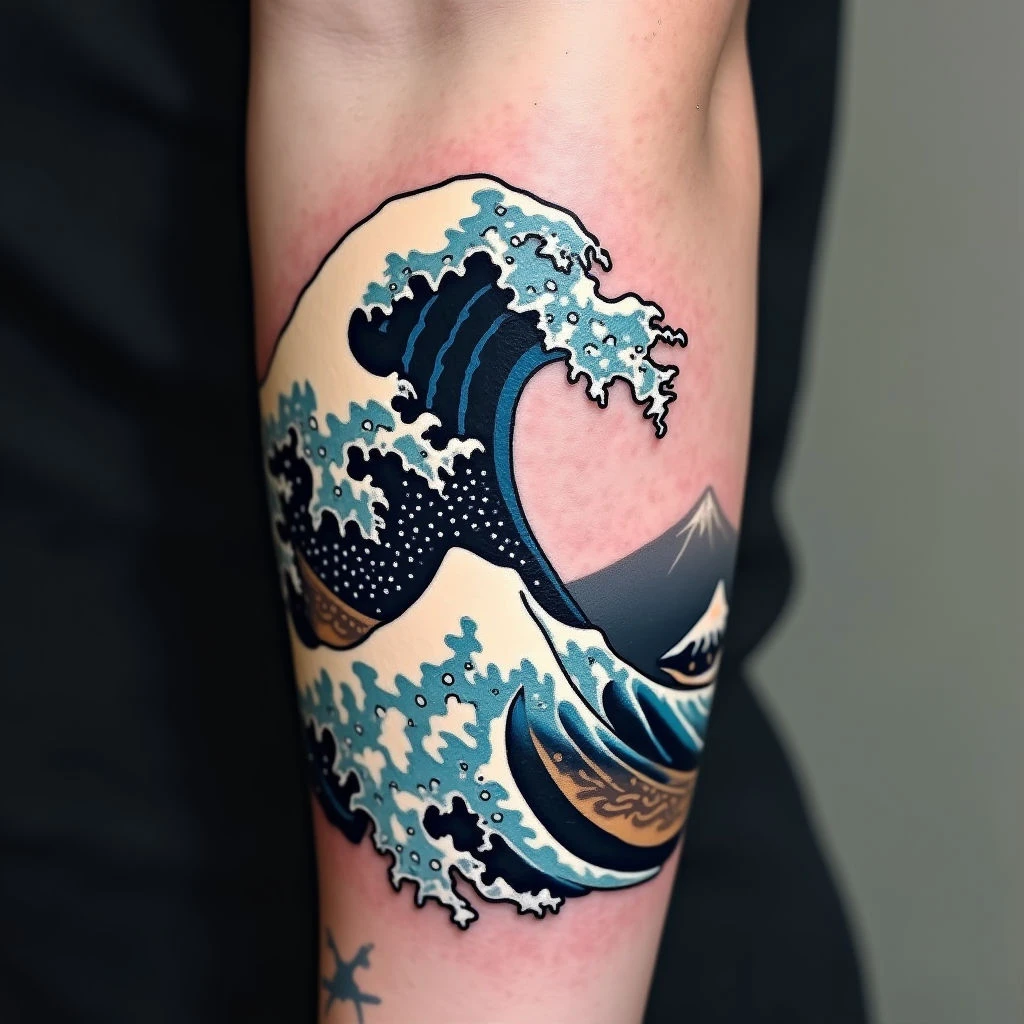
'Kihadaiko,' or the large wave, is instantly recognizable thanks to Hokusai’s The Great Wave off Kanagawa. It's a powerful image representing strength, protection, and the raw force of nature—a central theme in Japanese culture. You often see these designs paired with Mount Fuji, creating a beautiful sense of balance.
Nautical Traditions: Danger and Freedom
For sailors, waves meant both danger and incredible freedom—a constant reminder of the risks and rewards of life at sea. A wave tattoo could mark a completed journey or simply express a deep desire for exploration. Nautical designs often incorporate other elements like anchors or ships to tell a more complete story.
Modern Interpretations: Personal Growth and Beauty
Today, wave tattoos can represent personal growth, embracing change, or simply appreciating the ocean's beauty. They’re incredibly versatile—you see them looking stunning in everything from minimalist line work to vibrant watercolor blends.
Design Ideas
- Japanese Wave (Kihadaiko): Classic and powerful, often featuring Mount Fuji.
- Breaking Wave: Represents overcoming obstacles and inner strength.
- Gentle Rolling Waves: Symbolizes peace, tranquility, and a personal journey.
- Watercolor Wave: A modern, artistic take on the traditional design.