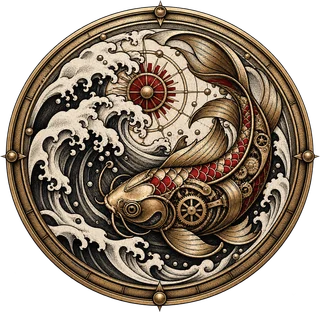
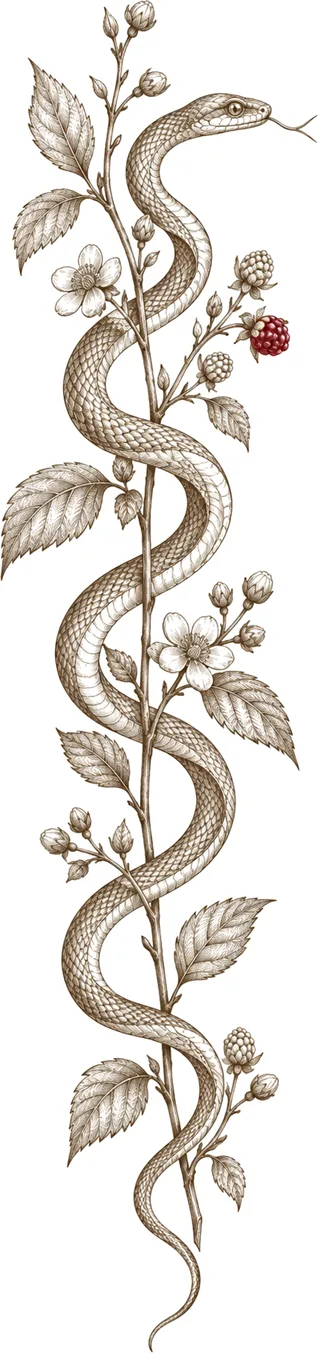
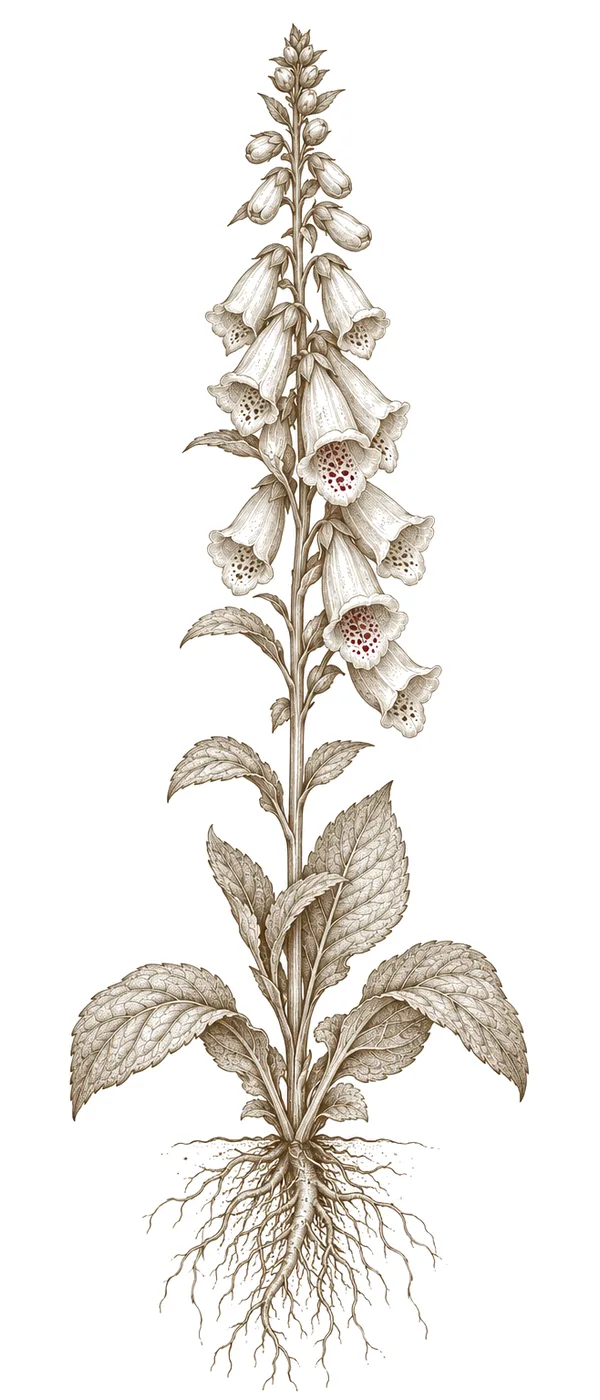
Tattoos are so much more than just decoration. They're powerful symbols, carrying deep meaning across cultures and in our individual stories. Really understanding what a tattoo signifies means digging into its history, cultural roots, and the person’s intention behind it.
A Tapestry of Symbolism
Historically, tattoos have served as markers—showing status, religious belief, or marking important life events. Think about Polynesian tribal designs that often displayed family lines and social rank; or the ancient Egyptians who used them for spiritual protection.
Even within specific cultures, symbols took on unique meanings over time. A lotus flower, for example, represents rebirth in Buddhism, while a dragon embodies power in Chinese culture—each carrying its own weight and story.
Cultural & Historical Echoes
The symbolism within tattoo designs is deeply connected to cultural heritage. Nautical stars once guided sailors home, while anchors symbolized stability and hope—powerful images that still resonate today, often taking on new personal meaning for those who wear them.
The Personal Narrative
Beyond these established symbols, a tattoo can hold incredibly personal significance. It might be to honor someone you’ve lost, celebrate an accomplishment, or mark a life-changing experience.
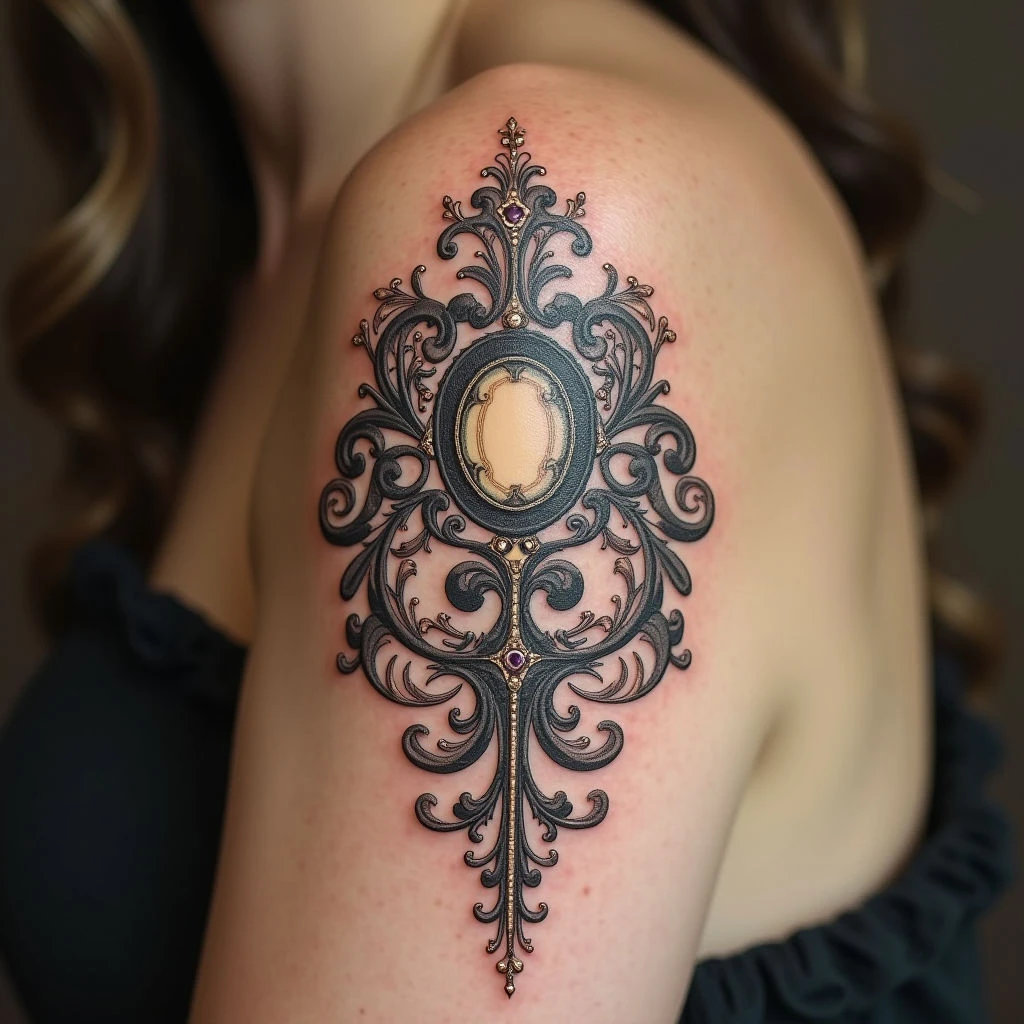
The imagery chosen, where it's placed on the body, and even the style all contribute to this unique story—a visual autobiography etched onto skin. Consider lace patterns, for instance: each knot and weave can represent a memory, a dream, or a cherished detail from life’s intricate design.
Ultimately, a tattoo's meaning is shaped by the person wearing it—a testament to their journey and who they are.