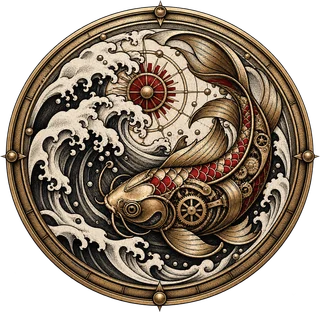
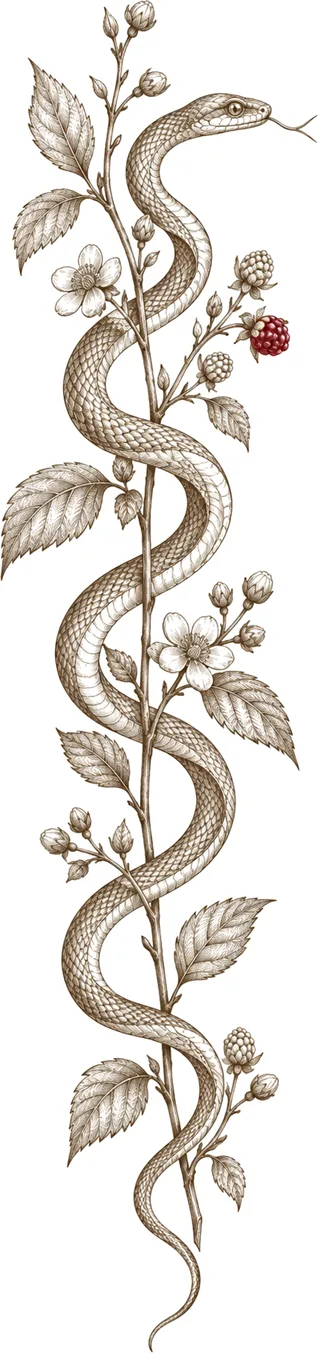
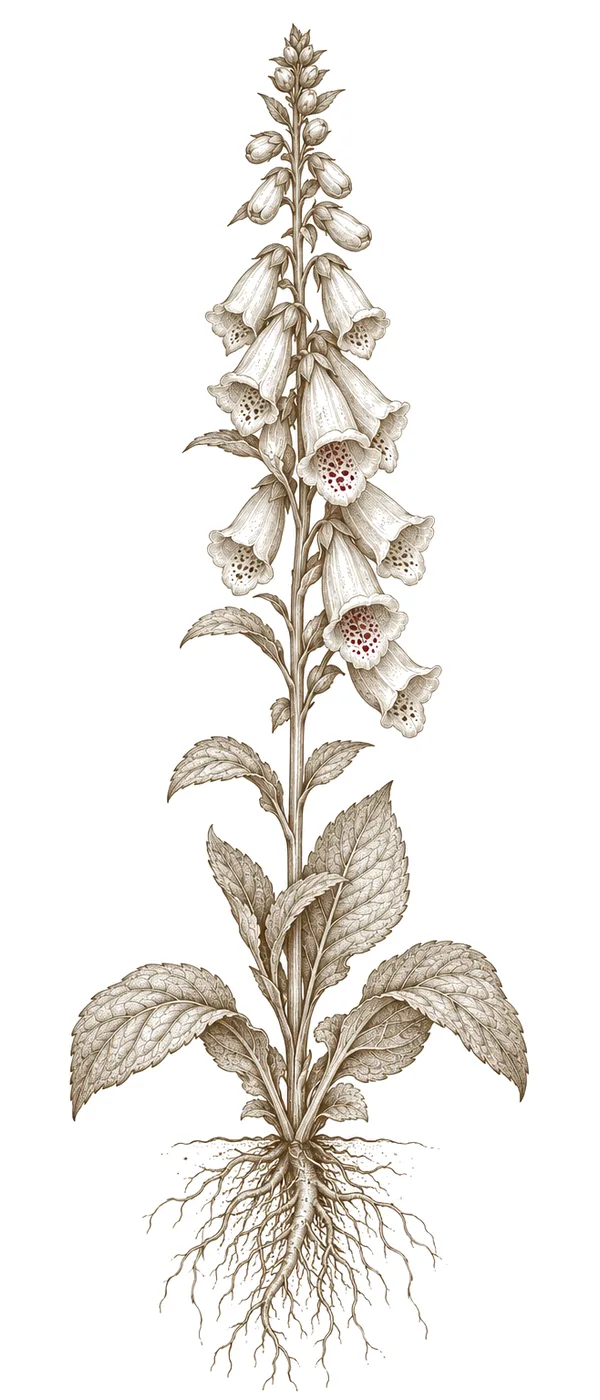

Dotwork tattoos are a truly captivating style—they rely entirely on thousands upon thousands of tiny dots to create an image. It's quite different from the shading you see in traditional or realism tattoos; dotwork achieves depth, contrast, and detail purely through the density and placement of these individual points.
A History Rooted in Tradition
While experiencing a modern resurgence, dotwork’s history stretches back centuries across various cultures. You'll find similar pointillistic techniques used in indigenous art forms to create stunning visual narratives—it's fascinating to see how this ancient method has been revived and refined by modern tattoo artists, pushing its boundaries with incredible precision.
The Technique Explained
The process itself is painstaking; it demands immense patience. Artists meticulously place each dot by hand, creating a gradual transition of values—from lightness to darkness—through the varying density of points. The result? A unique textured appearance often described as having a three-dimensional quality.
Meaning & Symbolism
Dotwork tattoos frequently carry symbolic weight. Think about it: each individual dot can represent countless grains of sand, stars in the night sky, or even life’s journey—a collection of moments forming a larger picture. That's why they’re so popular for mandala designs and portraits; they have an incredible ability to convey intricate detail.
Distinguishing Dotwork
The key difference between dotwork and stippling lies in the intention and density. While both involve dots, dotwork is generally more structured and precise with deliberate spacing. Stippling, on the other hand, can feel a bit more random.
Considering a Dotwork Tattoo?
If you appreciate meticulous detail and unique textures, and are drawn to an art form steeped in history, then a dotwork tattoo might be the perfect choice for you.