
The skin is sacred. When you're thinking about a cover-up tattoo on your wrist, it’s really important to approach the process with respect—for yourself and for any cultural symbols involved.
A cover-up isn't just about erasing something; it's an opportunity to transform it into a new story. The wrist itself presents some unique challenges, though: limited space and visibility mean careful planning is essential.
Design Considerations
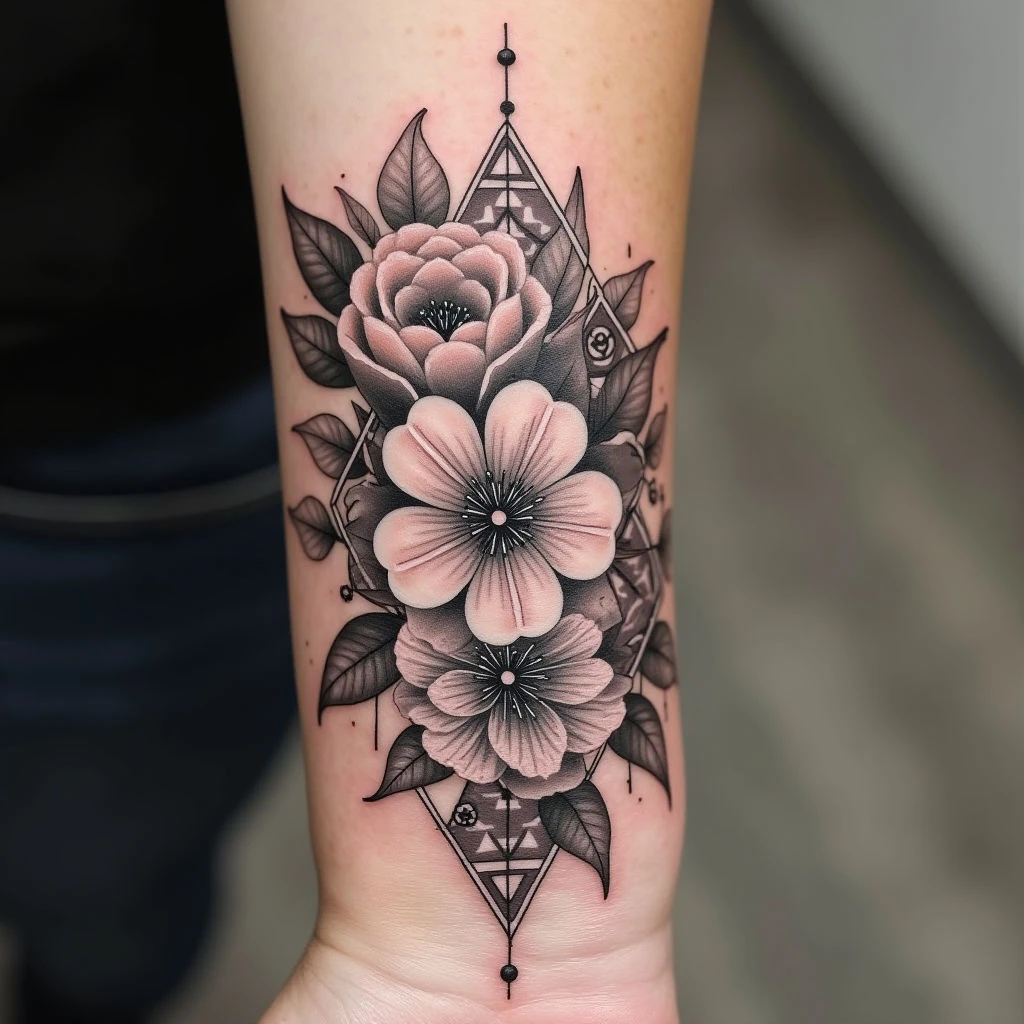
Let's think beyond just hiding the old tattoo. Consider how a new design can complement your wrist’s natural shape and move with you.
Floral patterns—think roses or cherry blossoms—geometric designs, or even abstract art can all be powerful choices. If tribal or cultural motifs appeal to you, do some serious research beforehand; it's vital to understand their meaning (more on that below).
Cultural Sensitivity & Appropriation
This is absolutely paramount. Many traditional tattoo styles—particularly those from Polynesian, Maori, Native American, and other cultures—are deeply meaningful and rooted in specific traditions.
Please don't adopt these designs just for their appearance without understanding what they represent or seeking permission from the culture of origin. Doing so is disrespectful to ancestors and can perpetuate harmful stereotypes.
Finding an Artist
Look for artists who demonstrate cultural sensitivity, a commitment to ethical practices, and experience with cover-up work. Really examine their portfolios—you want to see creativity and technical skill.
A consultation is key. Discuss your vision, any concerns you have about appropriation, and the artist's approach to the project.
Your skin carries your history. A well-executed cover-up tattoo can be a beautiful expression of growth and healing—but only when approached with respect and understanding.