Exploring Japanese culture through ink can be a deeply meaningful statement. These tattoos aren't just about aesthetics; they carry significant philosophical and emotional weight.
Understanding the Significance of Kanji
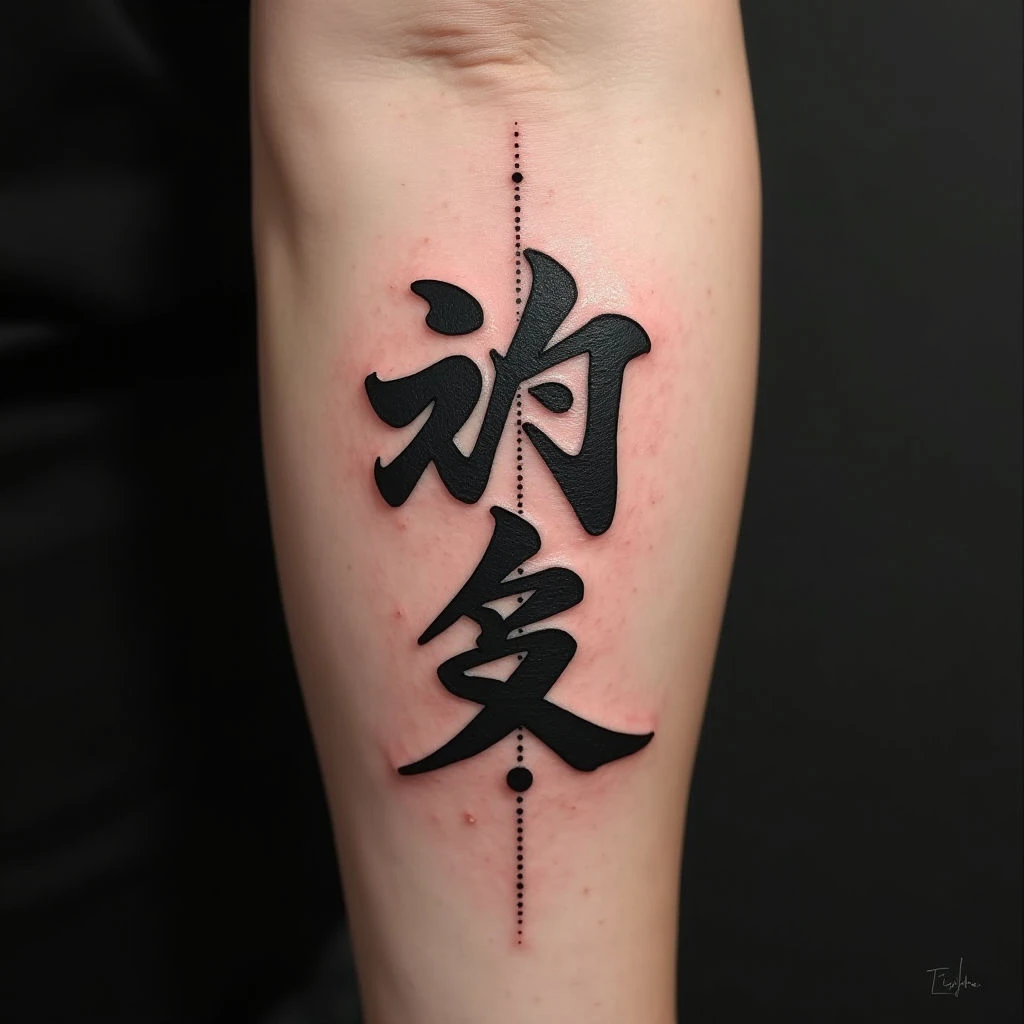
Choosing the right characters—kanji—is absolutely crucial. Even a tiny error in a stroke can completely change the meaning, so careful consideration is essential.
Popular Kanji Choices and Their Meanings
Here's a look at some frequently chosen kanji for tattoos:
- 絆 (Kizuna): Represents strong bonds, connections, and relationships. It’s often selected to symbolize family or close friendships.
- 希望 (Kibou): Meaning hope—a powerful reminder of resilience and optimism when facing challenges.
- 愛 (Ai): Simply love, but with a depth that encompasses compassion and devotion. It's more than just romance; it’s about connection.
- 夢 (Yume): Dreams—representing ambition, goals, and the pursuit of your passions. A constant motivator.
- 勇気 (Yuuki): Courage; a testament to inner strength and perseverance in difficult times.
Design Considerations & Blackout Style
Traditionally, kanji are rendered in elegant calligraphy styles. However, the blackout tattoo aesthetic offers a striking alternative. Imagine 'Kizuna' formed from dense black ink, with subtle glimpses of skin showing through—a visually arresting representation of interconnectedness.
Important Considerations
Due to the cultural significance and potential for misinterpretation, it’s absolutely essential to consult with an artist who specializes in Japanese calligraphy. This ensures accuracy and shows respect for this rich tradition.
Don't rush your decision—choosing wisely honors the depth and beauty inherent within these characters.