The Vikings weren't just known for their fierce warrior skills; they were also talented artisans who used intricate symbols to communicate stories and express their beliefs. Viking tattoos remain incredibly popular today, often representing strength, courage, and a connection to Norse heritage.
Exploring Iconic Viking Tattoo Symbols
Let's dive into some of the most recognizable Viking tattoo symbols and what they represent. Choosing a meaningful symbol is important, so let’s look at each one.
Runes (Elder Futhark)
These ancient alphabetic characters weren't just letters; they were used for divination and magic. Each rune holds a unique meaning, often related to fate, protection, or guidance. It’s worth being careful when selecting runes—misinterpretation can happen.
Mjölnir (Thor's Hammer)
This is a powerful symbol of strength, protection, and divine power associated with the Norse god Thor. It embodies courage in battle and serves as a ward against evil.
Valkyrie
These figures played a crucial role, deciding who lived or died in battle and escorting worthy warriors to Valhalla. Valkyries represent honor, fate, and female empowerment—a potent combination.
Yggdrasil (The World Tree)
Imagine a massive ash tree connecting all nine realms of Norse cosmology. That's Yggdrasil, symbolizing the interconnectedness of everything, wisdom, and the cycle of life and death.
Odin’s Ravens (Huginn & Muninn)
Odin's ravens represent thought and memory. They symbolize knowledge, exploration, and a connection to the divine—a constant reminder of awareness.
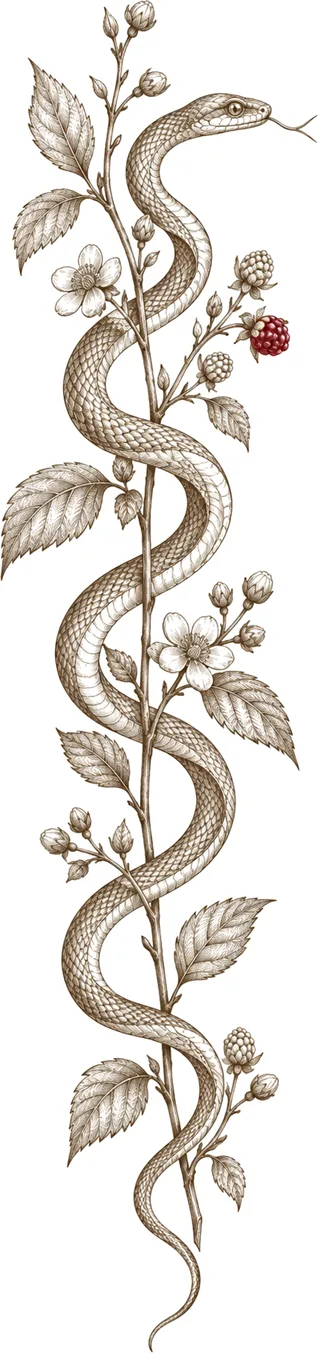
Serpent Jormungandr
This enormous serpent encircles the world, symbolizing chaos, eternity, and destiny. It’s a powerful reminder to confront your fears.
Hel (Goddess of the Underworld)
Representing death, rebirth, and the cyclical nature of existence, Hel acknowledges that everything comes full circle.