
Tattoos aren't a recent fad; they have an incredible history that stretches back thousands of years. The practice is ancient—we even see evidence of it on Ötzi the Iceman, dating back to around 3300 BCE.
Early Practices and Cultural Significance
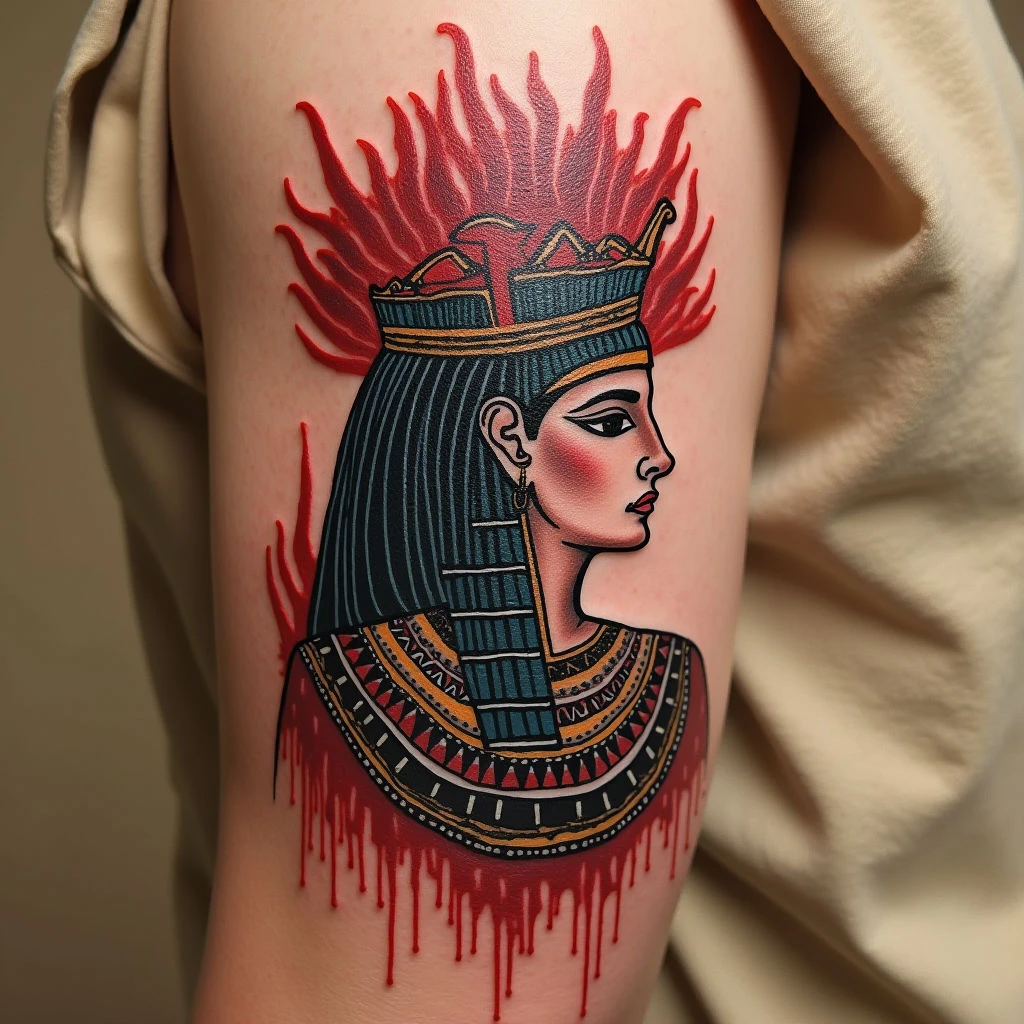
Ancient Egyptians used tattoos for fertility rituals and healing. Meanwhile, Polynesian cultures developed incredibly intricate tribal designs—each one carrying deep spiritual meaning.
Tattoos in the Classical World
The Greeks and Romans often used tattoos as a form of punishment or to mark slaves. It’s fascinating how something we now see as self-expression was once associated with such different meanings.
A Shift in Europe, Flourishing in Asia
As Christianity gained prominence, tattooing declined in Europe. However, it continued to thrive in Asia—especially Japan, where it evolved into the highly refined art form known as Irezumi.
Reintroduction to the West and Rising Popularity
European explorers brought tattooing back to Western society in the 18th century. Initially, it gained popularity among sailors—a tradition that carried across oceans.
The 20th Century and Beyond
The 20th century saw a real surge in tattooing’s popularity, partly thanks to biker culture and military personnel. Today, tattoos are widely accepted as a form of self-expression and artistry—you see everything from traditional American styles to incredibly detailed hyperrealism.
Tools and the Enduring Human Desire
The tools themselves have changed dramatically, moving from hand-tapped designs to modern electric machines. But one thing remains constant: that core human desire for body modification.