The art of tattooing, or kakau, holds a significant place in Hawaiian culture. These weren't just decorations; they were once powerful expressions of family history, social standing, personal achievements, and a deep spiritual connection to the land—the ‘āina—and the gods.
Understanding Hawaiian Tattoo Symbols
To truly appreciate Hawaiian tattoos, it’s important to respect the rich heritage they represent. Here's a look at some common symbols and what they mean.
Common Symbols & Their Meanings
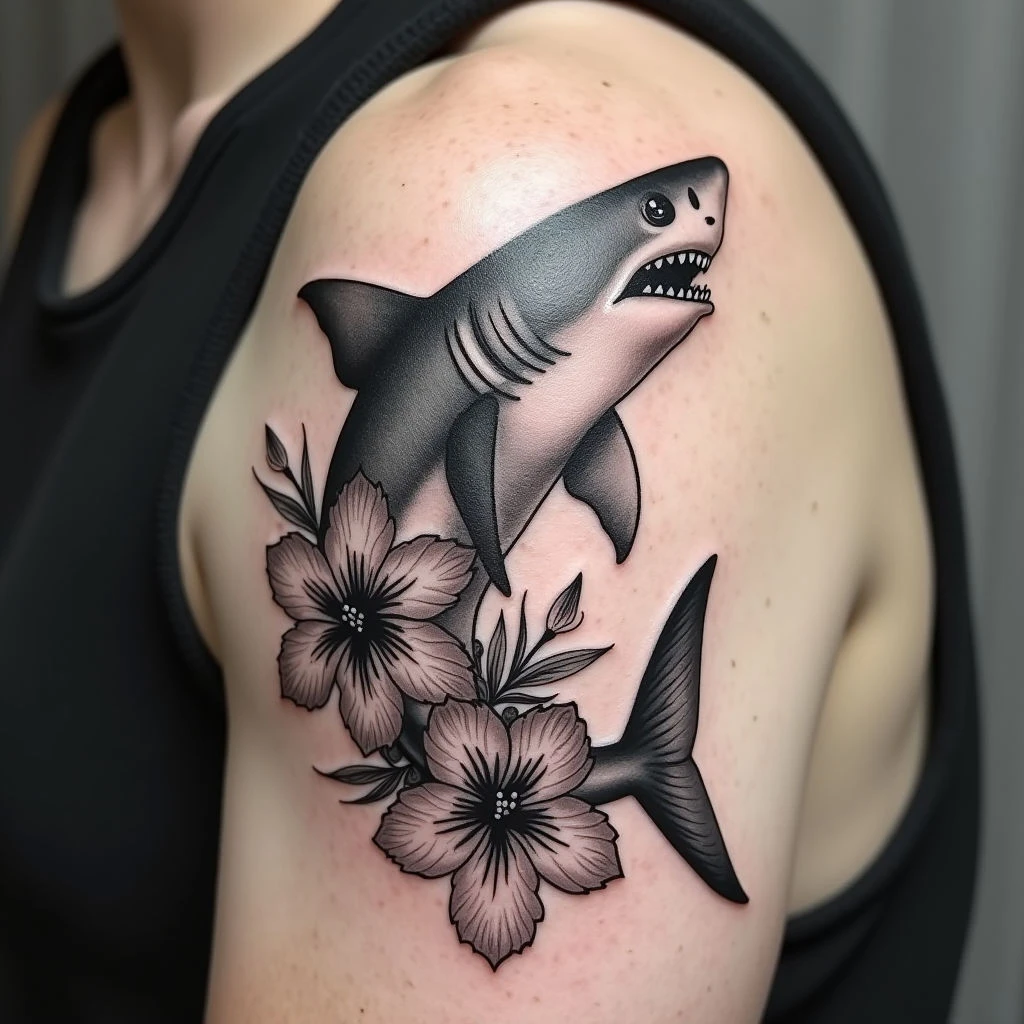
- Mano (Shark): Represents strength, courage, power, and fearlessness. In Hawaiian mythology, sharks are revered as protectors and symbols of ancestral lineage.
- Honu (Turtle): Symbolizes longevity, peace, wisdom, patience, and navigation—the turtle’s journey across the ocean is a beautiful metaphor for life's path.
- Pua (Flower): Different flowers carry different meanings. For example, plumeria (pīkake) signifies beauty and grace, while hibiscus (poʻohala) represents abundance and prosperity.
- Waves (Kai): These represent the constant flow of life, a connection to the ocean, and the raw power of nature—they can also symbolize overcoming challenges.
- Lei: A symbol of love, friendship, and celebration; it connects you to your loved ones and shows respect for others.
- Koa: Represents courage, strength, and steadfastness.
Important Considerations
Traditional Hawaiian kakau were deeply spiritual practices often involving ceremonies led by skilled practitioners, the kahuna kakau. When considering a Hawaiian tattoo today, it’s vital to approach it with reverence and do your research—understand the meanings thoroughly and respect the cultural significance.