

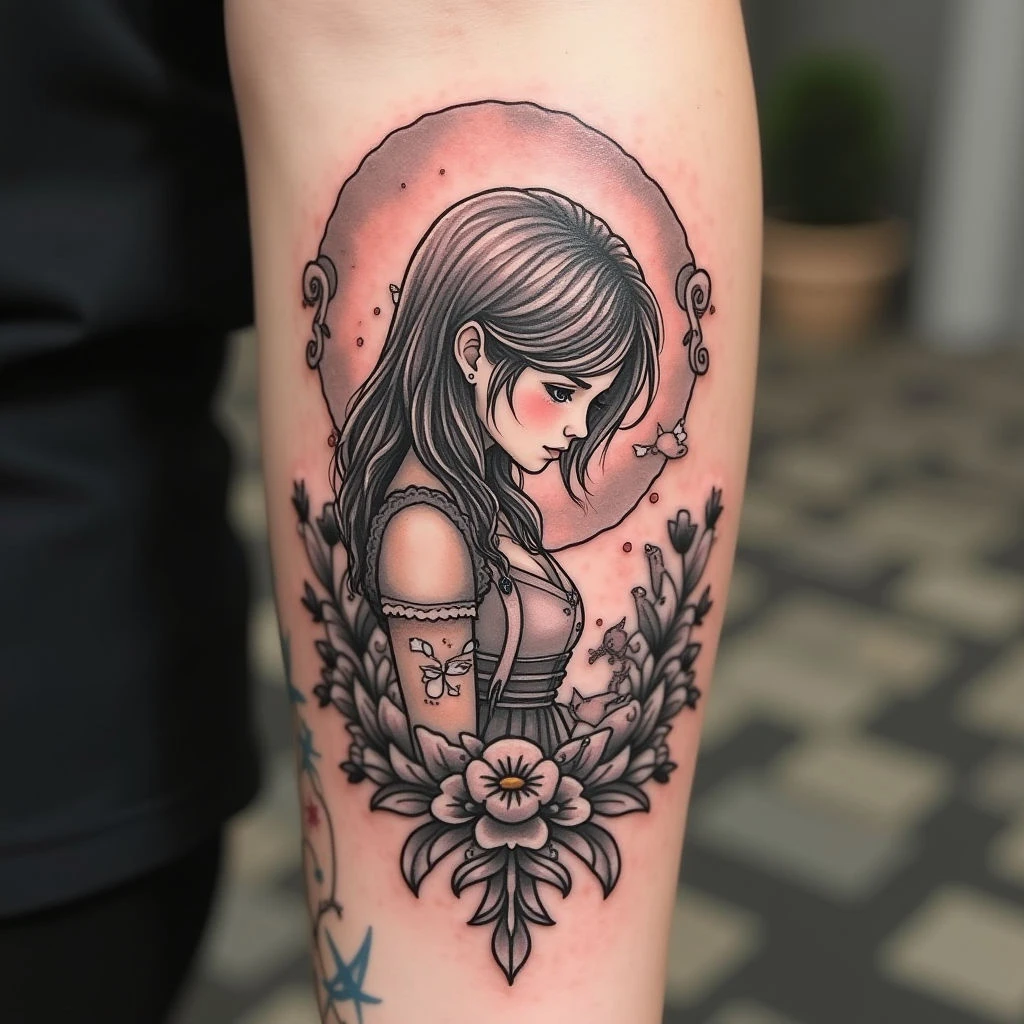
Adding to an existing tattoo can be a really cool way to evolve your body art. But, it's not something you want to rush into—careful planning is key.
Getting Started: Essential Considerations
This guide walks through different approaches, from small tweaks to full transformations. We'll share what we’ve learned about making the addition feel like a natural part of your existing piece.
1. Talk to Your Tattoo Artist
Seriously, this is the most important step! Your original artist already knows so much about your tattoo—the design itself, how the ink will react over time, and what it took to heal properly. They can tell you if expanding it’s a good idea or not, and give you some solid advice.
If your original artist isn't available—or you just want another opinion—find someone experienced with additions and cover-ups. A strong portfolio is essential here.
2. Harmony in Design
The new addition needs to work with what’s already there. Think about the style—traditional, realism, watercolor—the colors you're using, and even the thickness of the lines. A clash can really throw off the whole look.
3. Composition & Flow
How will everything fit together? Consider how the new elements flow into the existing design, and think about balance—both visually and in terms of the story you want to tell. A poorly planned composition can make your tattoo look cluttered.
4. Ink Compatibility
Here’s something a lot of people don't think about: different inks age differently. Adding new ink to an older tattoo can sometimes lead to color inconsistencies down the road. Chat with your artist about this—it’s worth discussing.
5. The Healing Process
Adding to a tattoo means re-opening the skin, so aftercare is crucial. Follow your artist’s instructions carefully—it'll help prevent infection and ensure it heals well.
6. Considering a Cover-Up
Sometimes, the best way to add to a tattoo is to treat it like a cover-up—incorporating new elements that completely transform the original artwork. This gives you more creative freedom, but requires even more careful planning to make sure everything looks cohesive.