
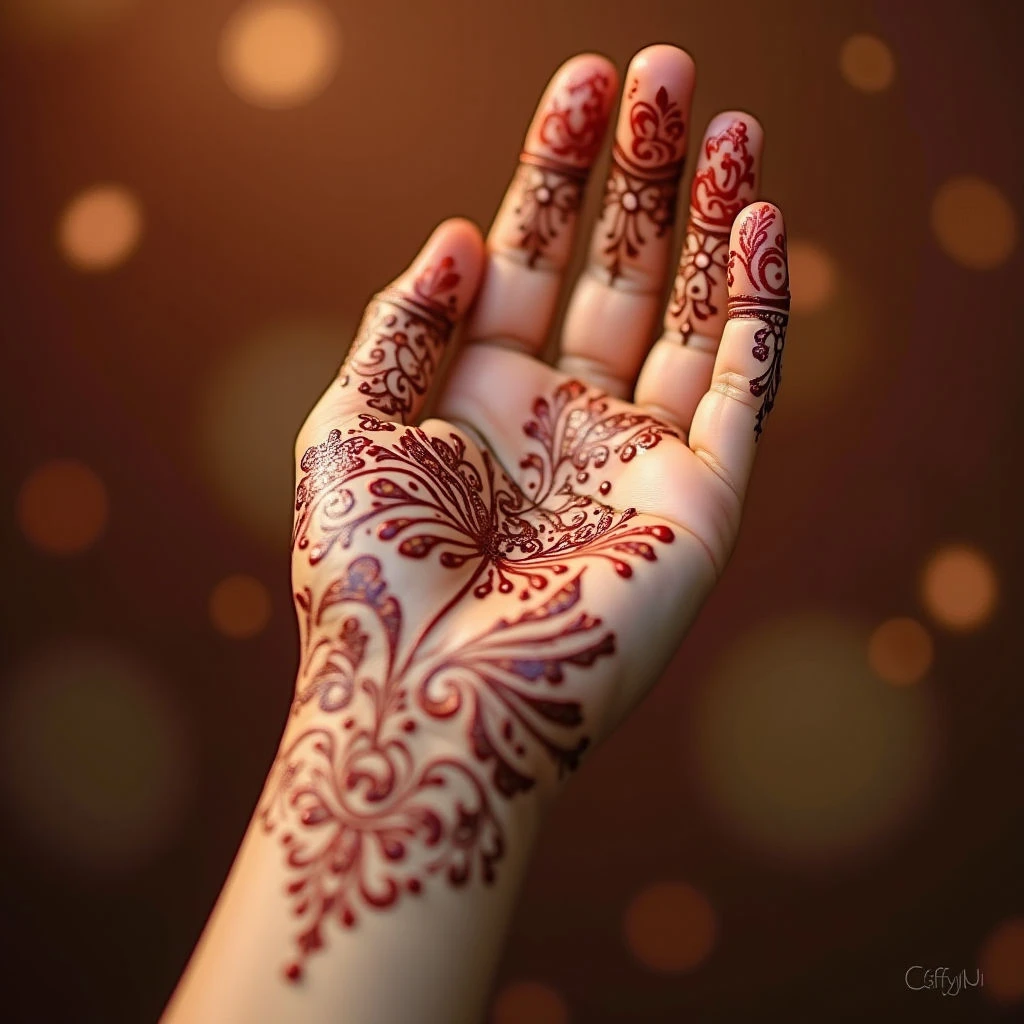
Mehndi, or henna as it’s also known, is a beautiful ancient art form with roots in the Indian subcontinent. The intricate designs applied to hands and feet carry deep cultural meaning—often marking celebrations like weddings. While professional mehndi can be truly stunning, you might be surprised at how easily you can create your own lovely patterns with just a bit of practice.
Getting Started: Tools and Preparation
Let's start with the basics. Here’s what you’ll need, and a few key preparation steps to ensure your designs turn out beautifully.
- Henna Paste: It's crucial to use natural henna powder—avoid "black henna," which contains harmful chemicals. Mix it with lemon juice, sugar, and essential oils like lavender or eucalyptus for a smooth consistency. Pre-made cones are a convenient option too.
- Cones/Bottle: These help you apply the paste with precision.
- Design Inspiration: A quick search online will give you tons of ideas—stencils can be helpful, too.
- Preparation is Key: Gently exfoliate your skin first, then apply a layer of oil (coconut or olive oil work well) to help the henna stick and create a richer stain.
Simple Back Hand Mehndi Designs
Ready to try some designs? Here are three beginner-friendly options.
Floral Vine
Start with a simple dot in the center of your hand. Then, draw curved lines outward like vines—it’s surprisingly easy! Add teardrop-shaped petals along each vine to complete the look. This is a great starting point.
Paisley Motifs
Classic paisley designs are elegant and recognizable. Practice drawing the basic paisley shape, then arrange them in neat rows or clusters on your back hand.
Geometric Patterns
For a more modern feel, experiment with simple geometric shapes like circles, squares, and triangles. The possibilities are endless!
Tips for Success
A few extra tips to help you achieve the best results:
- Practice your designs on paper before applying them to your skin.
- Apply even pressure when squeezing the henna cone—it takes a little practice!
- Let the henna dry completely (about 15-20 minutes) and then carefully remove any excess dried paste with a spoon or card’s edge.
- Moisturize regularly after removing the paste to deepen the stain's color.