Irish and Celtic tattoos hold a surprising depth of history and symbolism—they're much more than just pretty patterns. These designs are steeped in ancient cultures, beliefs, and a deep connection to nature, telling stories of heritage and spirituality.
A History Etched in Ink
Celtic knots, spirals, and animal motifs weren't simply decorations. They were integral to Celtic culture and pagan traditions—representing cycles of life, eternity, and the interconnectedness of everything. When Christianity arrived, things shifted, but their significance wasn’t lost.
Key Symbols & Their Meanings
Let's look at some of the most common symbols you'll find in Celtic tattoos and what they represent.
Celtic Knotwork
Knotwork, like the Trinity Knot or Dara Knot, often symbolizes eternity and interconnectedness—sometimes representing a triune concept: mind, body, and spirit. The Dara knot itself is particularly meaningful; it draws strength and courage from the oak tree.
The Shamrock
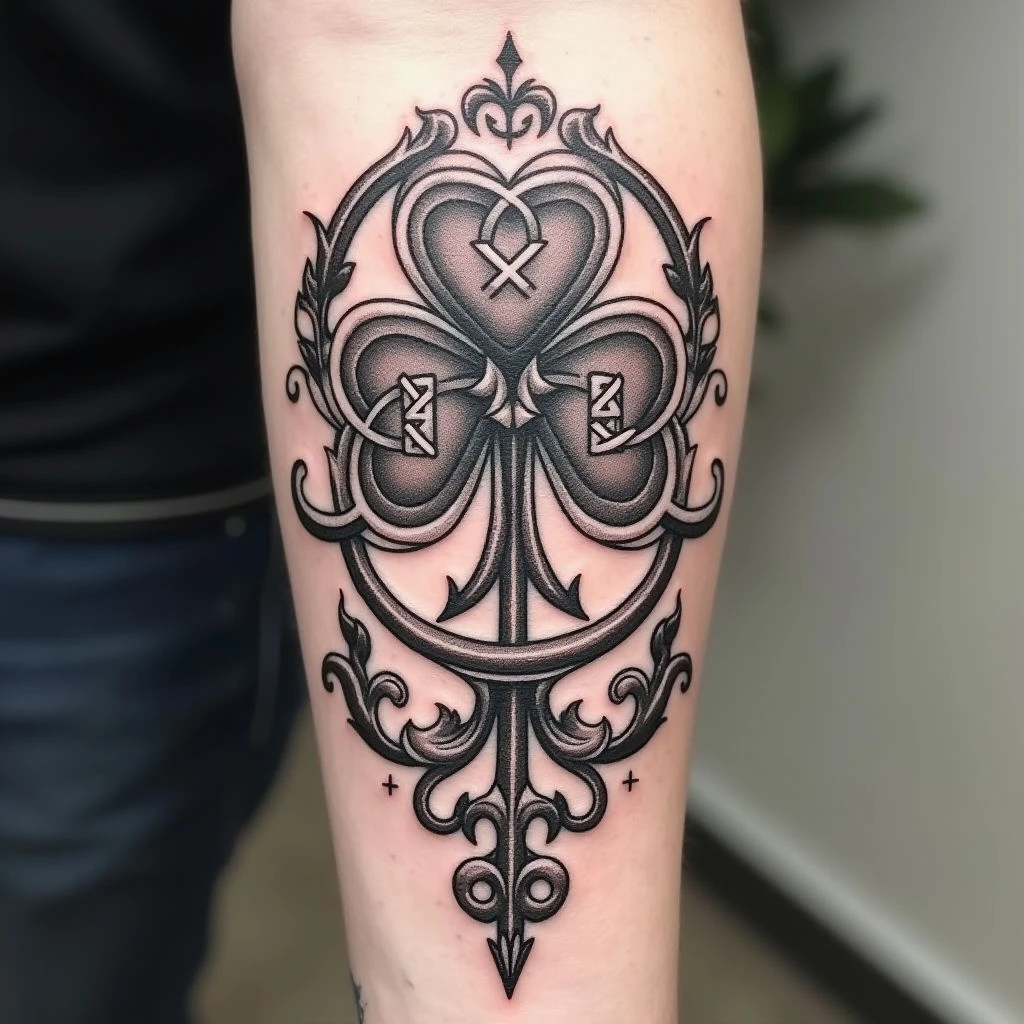
You've probably seen the shamrock (or trefoil) before! It represents the Holy Trinity in Christianity, but it’s also a powerful symbol of Ireland itself—representing faith, hope, and love.
Celtic Crosses
The Celtic cross is an interesting blend: it combines traditional Celtic symbolism with Christian iconography. It signifies the connection between our earthly existence and the spiritual realm.
Animal Symbolism
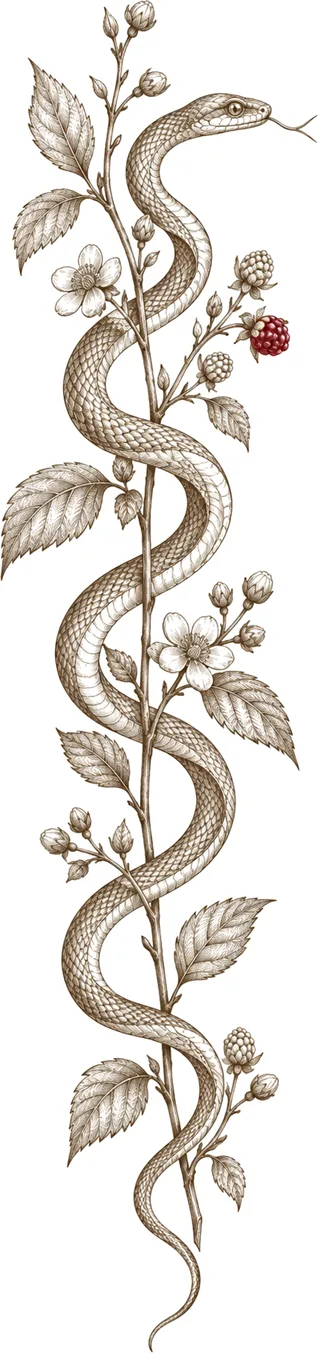
Animals play a big role too. Wolves often represent loyalty and guardianship, snakes symbolize healing and transformation, and birds embody freedom and spirituality—each carrying its own distinct meaning.
Design Considerations
Celtic tattoos really shine with intricate designs. Think about placement, too. A flowing knotwork design looks amazing down an arm, while a smaller shamrock tucked behind the ear offers a more subtle statement.