
Delving into Korean culture through body art can be a truly captivating experience. These tattoos aren’t just about aesthetics; they carry deep historical and philosophical weight.
Understanding the Significance
Many Korean symbols draw from Confucianism, Taoism, and Buddhism—they’re woven into Korea's history and values. You’ll often find they represent balance, harmony, protection, or personal virtues. Before you commit to a design, it's really important to research its origins; respectful representation is key.
Popular Korean Symbols & Meanings
Let’s look at some common symbols and what they represent:
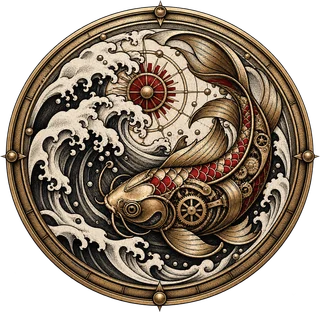
- Taegeuk (태극): Perhaps the most recognizable, this circular symbol embodies yin and yang—a visual representation of balance and harmony in the universe. The red and blue colors signify positive and negative forces working together.
- Hanja (한자): These are Korean adoptions of Chinese characters, each carrying profound meanings. You can choose individual Hanja to represent virtues like strength (力), beauty (美), or wisdom (智).
- Bongsunhwa (봉선화): Also known as the Lespedeza flower, it symbolizes humility and perseverance. It’s often associated with royalty and considered a symbol of long life.
- Traditional Korean Patterns: The intricate patterns found on traditional clothing (Hanbok) and architecture can also be adapted into tattoos—a beautiful way to represent cultural heritage and artistry.
Design Considerations
Placement matters a lot, both for the meaning and how it looks visually. Larger symbols like the Taegeuk often work well on broader areas like your back or chest. Hanja characters are frequently placed on arms or legs.
If you’re considering this, working with an artist experienced in Korean calligraphy or traditional art is a great idea—they can help ensure accuracy and respect for the symbolism.
Cultural Sensitivity
Always do your research to fully understand what a symbol means before getting it tattooed. Misinterpretation can be disrespectful, so consulting with someone knowledgeable about Korean culture is highly recommended.