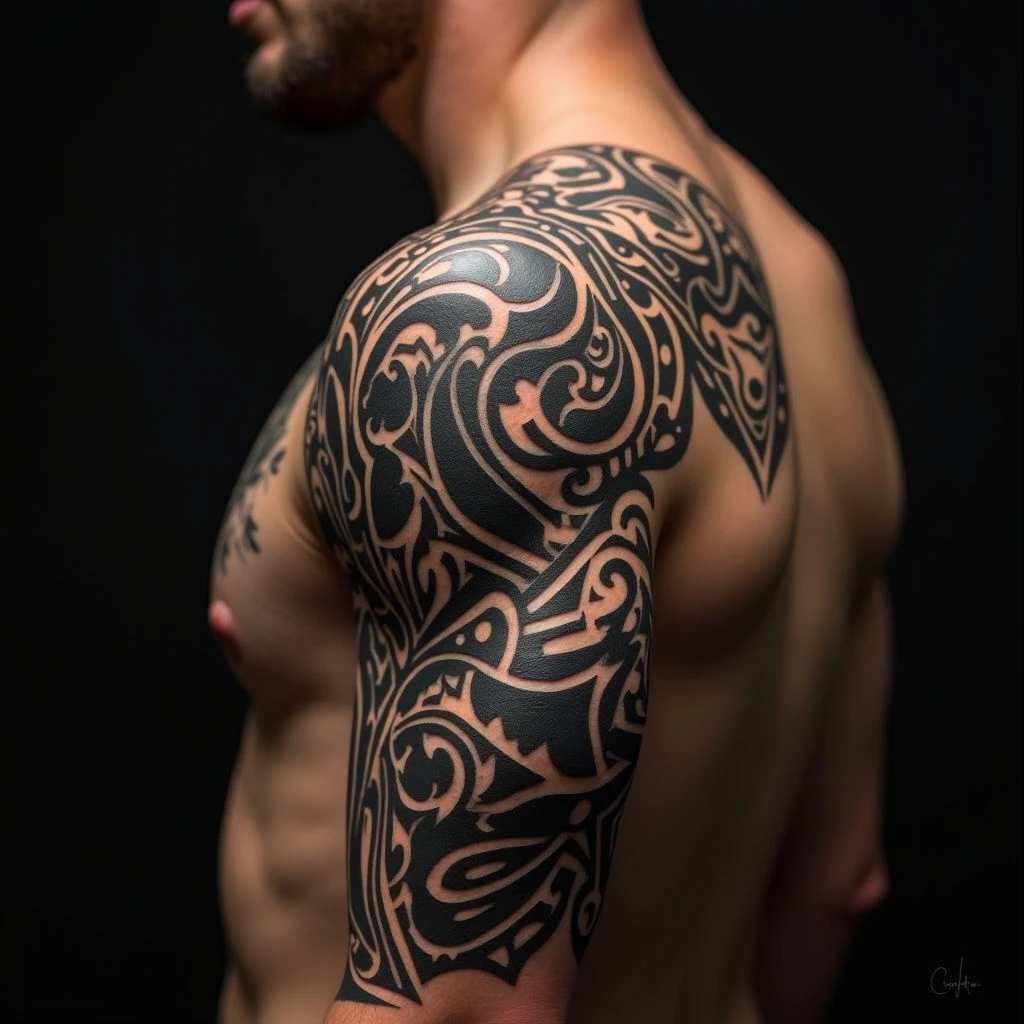
Polynesian tribal tattoos are so much more than just ink—they’re living stories, carefully etched onto skin. These designs have deep roots in ancient traditions across islands like Samoa, Tonga, Fiji, Tahiti, and Hawaii, carrying profound cultural and spiritual weight.
The Significance of Polynesian Tattooing
Each symbol isn't just decoration; it represents a person’s lineage, social standing, accomplishments, and personal beliefs. It’s a visual record of their journey.
Understanding the Core Elements
Let's break down some key concepts that underpin this art form:
- Mana: A vital life force or spiritual power, often represented through intricate patterns and bold lines. It’s the essence of being.
- Tatau: The Polynesian word for tattoo—a sacred practice connecting individuals to their ancestors and community. It's a deeply personal connection to heritage.
- Motifs & Their Meanings: Common symbols like the shark (strength, dominance), turtle (peace, longevity), octopus (adaptation, intelligence), bird (freedom, spirituality), and fern (growth, prosperity) each hold unique meanings within specific cultural contexts. Where you place a symbol on your body also carries significance—it’s not random.
Cultural Variations Across Islands
While the core principles remain consistent, interpretations can vary significantly from island to island. For example, a shark tattoo in Samoa might signify courage and leadership; in Hawaii, it could symbolize protection and guidance. It’s crucial to research the specific cultural origin of any design to ensure respectful representation.
Modern Interpretations & Respectful Adaptation
Today, many artists are blending traditional Polynesian designs with modern aesthetics. The goal is to create stunning fusion pieces that honor heritage while embracing innovation—always keeping the original meanings at the forefront.