Polynesian tattoos are more than just beautiful ink—they’re a living history etched onto skin. As an apprentice learning this incredible craft, I've been humbled by their depth and complexity. They weren’t about aesthetics alone; they told stories, marked lineage, and conveyed social status.
A Glimpse into History
Traditionally, Polynesian tattooing—often called tatau—was a sacred rite. Skilled artisans performed it using tools made from bone, shell, or wood. The process could be painful, and that pain represented resilience and commitment.
Each island group – Samoa, Tonga, Tahiti, Hawaii, Marquesas – developed its own distinct styles and motifs. It’s fascinating to see how different cultures express themselves through these designs.
Decoding the Symbols
Let's look at a few common symbols. They offer incredible insight into Polynesian beliefs and values.
-
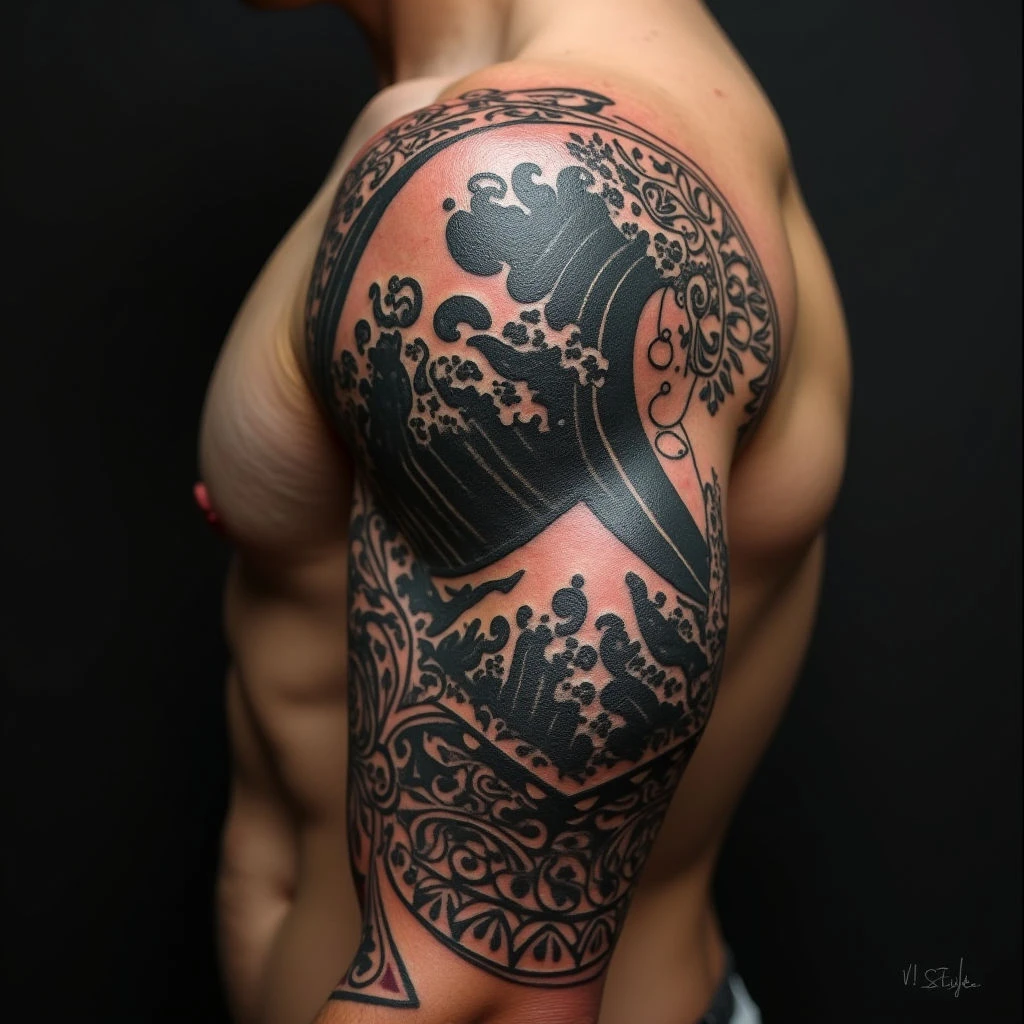
Waves
Represent life’s journey, overcoming obstacles, and a deep connection to the ocean. It's a constant reminder of nature's power. -
Turtles
Symbolize longevity, wisdom, patience, and safe navigation. They’re a powerful emblem of perseverance. -
Sharks
Represent strength, power, fearlessness, and guardianship. Seeing them in a tattoo is a statement of courage. -
Birds
Often signify freedom, spirituality, and a connection to ancestors. They’re a beautiful representation of the spirit.
More Than Just Ink
The placement of each element within a Polynesian tattoo is crucial. It's not just about the individual symbols, but how they interact to tell a complete story.
When I was starting out, understanding this level of complexity was incredibly challenging—the designs weren’t random; every line and curve had purpose. It takes years to truly grasp the nuances.
Respect & Responsibility
If you're considering a Polynesian tattoo, research is key! Understand the cultural significance of the designs and find an artist who respects the traditions. It’s about honoring a profound artistic heritage—not just adopting aesthetics.