Polynesian tattoos aren't just ink; they’re a visual history—a record of ancestry, status, achievements, and deeply held beliefs. Across islands like Samoa, Tonga, Fiji, Hawaii, and Tahiti, these intricate designs whisper stories passed down through generations.
A History Etched in Skin
Historically, Polynesian tattoos were woven into the very fabric of island life. They marked significant transitions—from childhood to adulthood, demonstrated skill as a warrior or fisherman, and clearly showed lineage and social standing within the tribe. The tattooing process itself wasn't casual; it was a sacred ceremony that could last for days, carried out by highly skilled practitioners.
Decoding the Symbols
These aren’t random designs. Each element carries a specific meaning—a visual language passed down through generations.
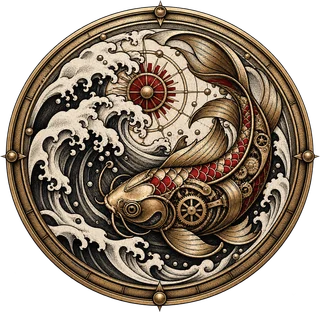
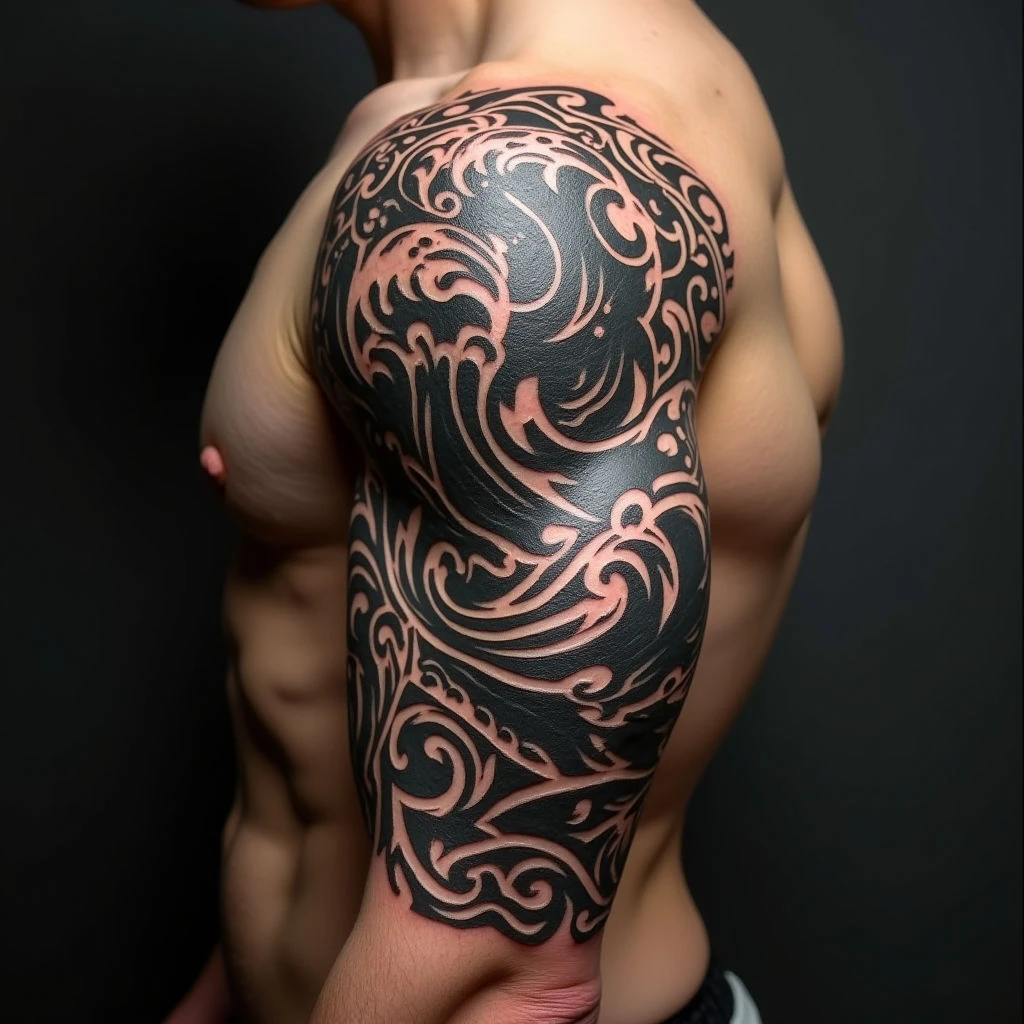
- Waves (Mana): Represent power, authority, and the vital connection to the ocean.
- Sharks: Symbolize courage, ferocity, and a protective spirit.
- Birds: Represent journeys, spiritual guidance, and a link to something beyond the everyday.
- Geometric Patterns: Often speak of family connections, ancestral links, or profound spiritual concepts—and their placement is just as important.
Cultural Significance Today
Polynesian culture has changed over time, but the respect for traditional tattoo practices remains strong. Modern artists often blend ancient symbolism with new aesthetics—it’s a way to honor heritage while expressing personal identity through art.
Choosing Your Design
If you're considering getting a Polynesian tattoo, it’s essential to understand the meaning behind each design. Do some research into your own ancestry if that feels right, talk with experienced artists who truly specialize in this style, and most importantly, make sure you appreciate the deep cultural significance of what you’re choosing.